
Far from the coast of St. Augustine, Florida, Chris Kemp found himself locked in a battle. He struggled to reel in a fish situated 150 feet below. Eventually, the fish submitted, and Kemp pulled a 10-pound red snapper onto the Jodie Lynn II. Time for celebration was short. As Kemp posed with his catch for a photograph, the boat’s captain intervened swiftly. Using a sharp tool, the captain deflated the fish’s gas-filled bladder. This action, mandated by federal law, sought to enhance the fish’s likelihood of survival once released.
The captain commanded, “Send it overboard,” dashing Kemp’s hope of taking the snapper home for dinner. The scene underscored a larger conflict involving recreational anglers like Kemp, commercial fishermen, and environmentalists. This dispute reached a legal impasse, suspending what was anticipated to be the longest red snapper season in years. These events highlighted wider disagreements over attempts by the Trump administration to loosen fishing regulations.
The National Oceanic and Atmospheric Administration (NOAA) made a significant move in May by easing certain restrictions. The Magnuson-Stevens Act, a key piece of legislation governing fisheries, usually imposes these restrictions. However, a federal judge in Washington stopped this decision at the last moment.
“Recreational anglers have battled over both the thrill of the fight and what ends up on the dinner table,” NOAA notes about Atlantic red snapper.
This species experienced heavy fishing pressure for years, prompting regulators in 2010 to limit recreational fishing days drastically. Some years, harvesting was prohibited altogether. Florida Governor Ron DeSantis, alongside officials from Georgia, North Carolina, and South Carolina, led an initiative to take over recreational management of the Atlantic snapper fishery. They argued for anglers’ inherent right to fish. In May of the previous year, NOAA issued special permits allowing states to bypass some legal protection measures. This resulted in a fishing season ranging from 39 to 62 days in four states, permitting one fish per angler each day.
Kemp seized the opportunity, arranging a fishing trip for the opening day. Yet, just before the season could commence on May 22, the matter ended up in court. District Judge Rudolph Contreras issued an injunction citing environmental considerations. The nonprofit Ocean Conservancy warned that the recreational catch could soar to 485,000 in Florida alone under the expanded season. This figure was 20 times higher than the catch limit.
Upon hearing of the judge’s decision via a text message while on his way to the marina, Kemp initially dismissed it as a prank due to its gravity. The ruling prompted swift backlash. Florida wildlife officials criticized the judge as acting independently. Meanwhile, some fishermen involved in the lawsuit received threats after DeSantis falsely accused them of monopolizing the quota.
One plaintiff, North Carolina fisherman Jeff Oden, expressed the struggles of commercial fishermen. Rising costs and competition from imported seafood made survival difficult. Oden voiced concerns that an increase in recreational harvests might reduce the available stock for commercial fishing later in the year.
The broader dispute stems from differing views about the fishery’s condition. NOAA estimates that one in four released red snapper perish despite techniques like bladder venting. As an example, Captain Tyler Usina of the Jodie Lynn II uses bladder venting to help the fish return to their oceanic depths.
Despite these figures, many fishermen contend the stock is flourishing. Kemp’s group caught around a dozen fish in only 40 minutes at a reef off Florida’s coast. “Honestly, we’ve never seen an unhealthy stock,” said Haley Stephens, co-operator of the Sea Spirit charter boat in Ponce Inlet, Florida.
Scientists urge caution. They indicate that the presence of young fish can be misleading. Biological sampling suggests that many fish haven’t reached reproductive maturity. Meredith Moore, a director at Ocean Conservancy, explains that although more fish are visible, the population is in a rebuilding stage.
While NOAA refrained from commenting due to ongoing legal proceedings, it acknowledged its efforts with fisheries managers to optimize resource management. This aligns with the “Restoring American Seafood Competitiveness” executive order signed by President Trump the previous year.
The judge’s decision criticized the state for not providing independent harvest data. Florida officials argued that federal estimates were unreliable and anticipated future state-collected data would be more accurate.
Oden acknowledges the frustrations among recreational anglers but stresses the importance of joint conservation efforts. “There is only so much fish available,” he remarked.
 Swiss Glaciers Show Effects of Ice Loss Amid Global Warming
  Climate-Resistant Rock Glaciers: Hidden Water Resources
 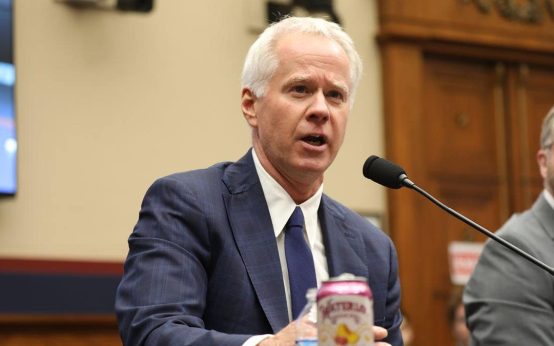 Patrick McEnroe Advocates for Collegiate Athletic Reform
 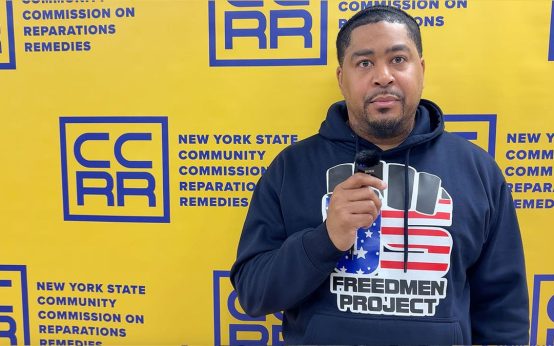 Push for Reparations Faces Challenges and Calls for Strict Eligibility
  Texas Man Arrested for Threatening State Capitol Attack
 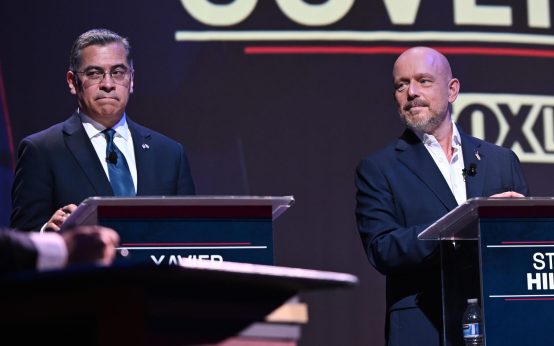 The Key Debate Between Xavier Becerra and Steve Hilton: What You Need to Know