
Early Saturday, Iran launched ballistic missiles and drones toward Bahrain and Kuwait, claiming they were intercepted by Bahrain’s government. Bahrain urged Iran to stop these attacks, labeling them a ‘serious escalation.’ Meanwhile, Iran’s foreign ministry accused the U.S. of attacking surveillance facilities on Qeshm Island and near Sirik, which Iran said were used to safeguard borders and international waters. Tehran deemed this action a breach of the ceasefire.
The conflict escalates as the Trump administration pushes Iran to negotiate a resolution to the war, which has impacted the global economy and aggravated hunger in vulnerable nations. Iran’s targeted U.S. military bases were identified as Ali Al Salem air base in Kuwait and the U.S. Navy’s 5th Fleet in Bahrain, as reported by the state-run IRNA news agency. The U.S. military confirmed they intercepted Iranian missiles and drones directed at the Strait of Hormuz, retaliating by hitting Iranian coastal surveillance radar sites.
The U.S. Central Command stated, ‘The attack drones posed an immediate threat to regional maritime traffic.’ They affirmed targeting radar sites, including one on an island in the strait, to prevent further attacks.
The mounting tension follows an earlier incident where Iranian drones severely damaged Kuwait’s main airport terminal, causing one fatality and numerous injuries. In response, the U.S. military maintained its blockade on Iranian ports because of Tehran’s control over vital oil and gas routes, raising energy prices and contributing to political challenges for President Trump ahead of congressional elections.
Despite these challenges, Trump expressed optimism, stating, ‘The situation with Iran seems to be going quite well,’ suggesting a swift resolution, albeit asserting that the U.S. stance remains strong whether through diplomacy or force.
Negotiations seem stalled as both U.S. and Iranian officials struggle to finalize terms extending a ceasefire and commencing talks on nuclear issues. Although a tentative 60-day extension was discussed, unresolved amendments suggested by Trump hinder progress, with Iran not publicly acquiescing.
Complicating the situation further is continued conflict in Lebanon. Israeli forces have gained control of southern regions, targeting Hezbollah, Iran’s ally. Iran insists that a truce must encompass Lebanon. While a ceasefire was brokered between the Lebanese government and Israel, Hezbollah dismissed the deal. Israeli airstrikes on southern Lebanon led to the deaths of nine individuals, including three Lebanese military personnel, as reported by the Lebanese army and media.
Both U.S. and Israeli actions demonstrate ongoing strategic challenges in stabilizing the region. The complex diplomatic efforts remain central to easing tensions and negotiating lasting peace.
 British Police Arrest Man Suspected of Terror Plot
  Activists Push for Nationwide Ban on Child Marriage in the U.S.
  Investigation into Alleged Incident at Cornell University
  Rising Drone Threats Highlight Vulnerabilities in Moldova’s Airspace Defense
  Bolivia Faces Security Test Amid Unrest
 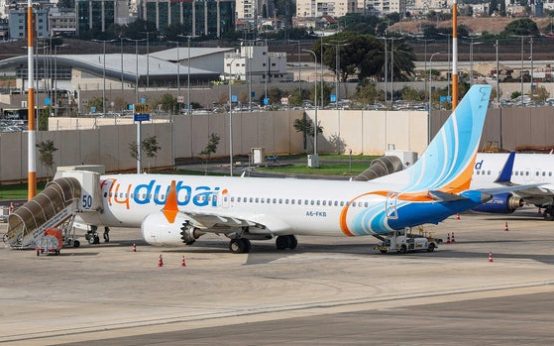 Incident on FlyDubai Flight Raises Security Concerns