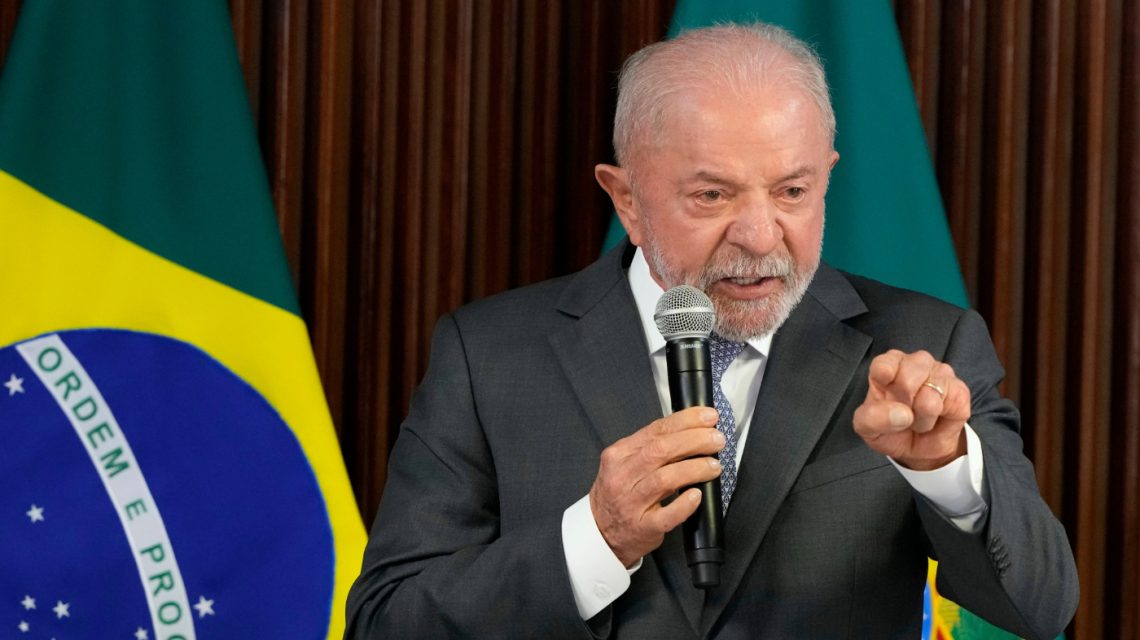
Brazilian President Luiz Inacio Lula da Silva has recently intensified his stance against the United States, while simultaneously increasing reliance on China. This approach could severely impact Brazil’s economy, security, and sovereignty.
Lula’s renewed criticism of the U.S. follows the announcement of 25 percent tariffs due to alleged unfair trading practices and the designation of Brazilian gangs Primeiro Comando da Capital and Comando Vermelho as terrorist organizations. He labeled Secretary of State Marco Rubio as a “frustrated Latin American” and a “mortal enemy.” This rhetoric risks diplomatic relations, especially given the significant economic exchanges between Brazil and the U.S.
The U.S. remains Brazil’s second-largest trading partner, with 2023 marking a trade value of $74.8 billion in goods and services. U.S. exports to Brazil reached $37.9 billion, while imports stood at $36.9 billion.
Efforts by Lula to distance Brazil from U.S. influence have led to increased engagement with China. Brazil plans to introduce ‘panda bonds,’ denominated in yuan, further tying its economy to Chinese currency. Iron ore, soybeans, and oil constitute Brazil’s main exports to China, signifying deepening economic ties.
This partnership extends beyond commerce. Brazil welcomed China’s military hospital ship, Silk Road Ark, for joint maritime exercises, showcasing the growing military collaboration between the two countries. Additionally, there have been concerns over labor exploitation practices akin to modern slavery within a BYD car factory construction site featuring illegal importation of Chinese workers.
Space-related ventures have also strengthened ties; Brazil and China are developing the Joint Radio Astronomy Technology Laboratory and constructing the BINGO radio telescope. These projects include involvement from China’s state-owned defense company, raising concerns about China’s strategic military objectives.
The telecommunications sector sees Brazil advancing with Huawei. This firm has faced accusations from several nations regarding espionage activities. In 2024, concerns were raised over Huawei’s technology theft and potential interference with U.S. nuclear command systems.
Lula’s approach to drug trafficking and organized crime remains questionable. Exclusion from the ‘Shield of the Americas’ initiative, a U.S.-led effort against organized crime, highlights Brazil’s discord with its neighboring countries’ security strategies.
Critics assert that Lula is increasingly concentrating power in China’s hands, which endangers Brazil’s economic independence and regional security. Arturo McFields, an exiled journalist, emphasizes the need for Brazil to prioritize national interests over ideological alignments with Beijing.
Arturo McFields is an exiled journalist, former Nicaraguan ambassador to the Organization of American States, and a former member of the Norwegian Peace Corps. He is an alumnus of the National Defense University’s Security and Defense Seminar and the Harvard Leadership course.
 Concerns Over Changes to Voter-Registration Form for Americans Abroad
  Trump’s 2024 Campaign Targets Young Men Through Cryptocurrency
  Trump’s White House Visitor Center Proposal Gains Bipartisan Support
  State Department Simplifies Passport Process with Online Applications
 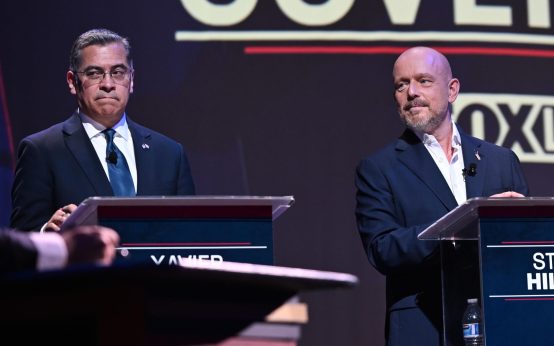 Becerra and Hilton Clash in California Gubernatorial Debate
  California Voters to Decide on $7.5 Billion State Research Fund