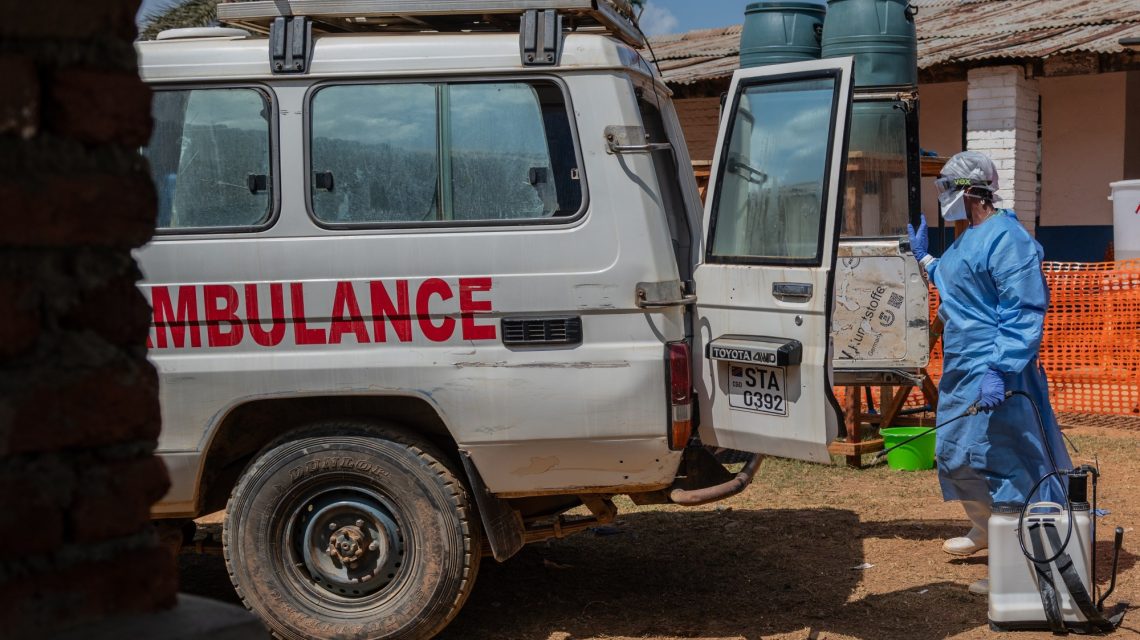
A health worker is seen disinfecting an ambulance at the Mongbwalu treatment center in Congo after transporting a suspected Ebola patient. This highlights the ongoing Ebola crisis caused by the Bundibugyo virus in the Democratic Republic of Congo and Uganda. The outbreak has led to 617 confirmed cases and 117 deaths.
The Trump administration has proposed setting up a quarantine and treatment facility at a U.S. military base in Kenya for Americans potentially exposed to the virus. This proposal faces criticism and legal challenges. Public health experts in the U.S. express concerns about the clinical, ethical, operational, and legal implications of this policy.
Ebola outbreaks are not new. The current situation mirrors the outbreak from 2014 to 2016 in Western Africa, where over 28,000 cases and 11,000 deaths occurred. Lessons from past outbreaks seem overlooked, as inadequate plans are proposed to control the virus’s spread.
In 2014, the U.S. government implemented airport screenings to prevent Ebola’s entry into the country. Before this measure, the U.S. had encountered four cases, resulting in one death. The government then established advanced medical facilities to treat patients and prevent the virus’s spread. These facilities still exist and could provide care for those infected.
Previously, the U.S. led a global coalition to manage the outbreak through humanitarian aid. Today, circumstances have changed. Over the past 17 months, the public health infrastructure in the U.S. has weakened. The U.S. Agency for International Development no longer offers on-ground support in Congo, and the CDC faces budget cuts, affecting its expertise.
Infectious disease outbreaks can spread globally. Effective prevention involves containing the disease at its source. Although CDC staff is present in Congo, their efforts seem less effective than they were ten years ago. The situation is worsened by the U.S. withdrawal from the World Health Organization.
The prolonged Ebola outbreak heightens the risk of its spread beyond central Africa. Air travel allows for possible transmissions to Europe, Asia, the Middle East, and the Americas. The upcoming FIFA World Cup in North America raises concerns about increased risk.
People exposed to Ebola, particularly U.S. residents, seek to access the quality healthcare available in the U.S. Given the disease’s incubation period of up to 21 days and the ability to temporarily suppress symptoms, efforts to prevent at-risk U.S. citizens from returning home appear flawed.
The ongoing Ebola outbreak’s continuation in Congo poses challenges for transmission control beyond the region. Although transmission typically requires direct contact, the risk is not negligible. The State Department aims to protect Americans, but as no vaccines or treatments exist against the Bundibugyo virus, containment at the source remains crucial.
Lessons from aviation security, focusing on risk-based strategies, apply to addressing the Ebola outbreak. Risk should be managed at its source, like containing the virus to protect global populations. Effective containment should be the highest priority to manage the Congo Ebola outbreak.
Dr. Sheldon H. Jacobson, a University of Illinois Urbana-Champaign professor, has researched risk-based aviation security for over 25 years. Dr. Janet A. Jokela, an infectious disease expert, serves as a clinical professor at Carle Illinois College of Medicine and advises the Illinois Immunization Committee.
 Early Detection of Atherosclerosis and Heart Disease Prevention
  Church Attendance Linked to Increased Sexual Satisfaction for Married Couples
  Dining with Loved Ones May Benefit Blood Sugar Levels
 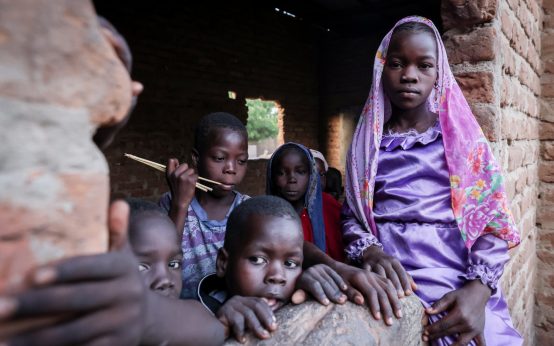 Urgent Need for Action in East Africa’s Food Crisis
  Facing Terminal Illness: Embracing Life’s Moments
  Eating with Partners May Impact Blood Sugar Regulation