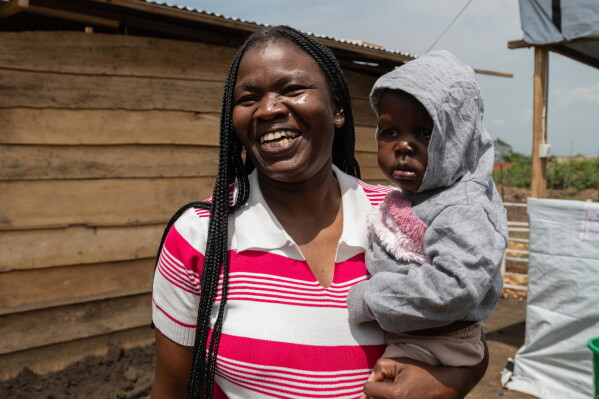
In Bundibugyo, Uganda, the response to Ebola reveals a conflict between traditional beliefs and medical advice. When Ebola strikes, some choose hospitals while others turn to traditional healers, seeing the disease as a spiritual issue. This pattern is evident in Congo, experiencing its seventeenth Ebola outbreak since 1976, when the virus was discovered in the Congo Basin. Many victims of the current outbreak include health workers and religious congregants gathered during the spread, highlighting challenges in medical response.
Ebola spreads through contact with bodily fluids of the infected. Distrust in health workers and a preference for traditional healing exacerbate the crisis. Bunia, a town in Ituri province, is the outbreak’s epicenter, with at least 181 deaths so far. Rumors, such as Ebola being caused by malicious acts, complicate efforts to combat the outbreak effectively. Onesphore Bangenza from Mercy Corps noted the delay in seeking hospital care due to mistrust and reliance on known figures and faith leaders.
The Bundibugyo virus is responsible for the outbreak. It’s a rare Ebola type without approved vaccines or treatments. Additionally, the afflicted region faces rebel violence and displacement. Health officials suspected earlier infections but initially tested for another Ebola strain before confirming the outbreak on May 15. The World Health Organization responded by declaring a public health emergency, and the U.S. restricted entry for travelers from affected areas.
Humanitarian workers urge religious leaders to help fight Ebola. A widely shared video features Deogratias Kasereka, a religious leader from Ituri, who recovered from Ebola after his children insisted on medical care. Despite symptoms like muscle weakness and bleeding, the privacy of traditional healers’ shrines attracts some victims, as explained by Seventh-day Adventist elder Vincent Isimbwa.
The 2007 Bundibugyo outbreak severely affected the community. Some, like Samuel Kuule, a nurse who survived, initially mistook their symptoms for something else. While Kuule maintained his faith, others feared witchcraft as the cause. In his community, early victims sought help from traditional healers, complicating containment efforts.
Ebola often starts when the virus jumps from infected animals like fruit bats to humans. The WHO advises early testing and isolating contacts to manage outbreaks. However, deep religious convictions and customs, such as handling the dead traditionally, make this difficult. Ugandan President Yoweri Museveni recently criticized religious leaders’ involvement, emphasizing non-contact prayers during this crisis. He mentioned WHO chief Tedros Adhanom Ghebreyesus highlighting religious people as common victims. Museveni stressed, “God is not deaf. You can pray without touching.”
Note: Associated Press religion coverage receives support from The Conversation US, funded by Lilly Endowment Inc. The AP maintains responsibility for this content.
 Increased Funding Needed for Psychiatric Hospitals
  Trump Administration Distributes ACA Refund Checks
  Higher Consumption of Ultra-Processed Foods Linked to Increased Health Risks
  Understanding Inflammation: Myths and Facts
  Calm Parenting: Strategies to Manage Stress
  Trump’s Executive Order to Combat Mosquitoes and Ticks in D.C.