
In the recent June election, a notable trend emerged as more Californians voted against local tax increases. This decision reflects their concerns over rising living costs.
Several examples highlight this change. In Riverside, voters turned down a proposed sales tax hike intended to support the fire department and other public services. Similarly, Contra Costa County residents in the Bay Area rejected a sales tax increase meant to fund healthcare initiatives.
“Part of affordability is the affordability of taxes,” said Mark Baldassare from the Public Policy Institute of California.
According to the California Taxpayers Association and Michael Coleman, an expert on local tax measures, the approval rate for around 90 local measures statewide stood at 60%. This figure is significantly lower than the typical 75% approval rate seen in previous elections.
Mark Baldassare elaborated on the shift in voter sentiment. For many years, most Californians preferred a government that levied higher taxes to provide more services. However, since 2023, there has been a reversal in this trend. More voters now favor a government with lower taxes and fewer services.
The outcome of the June election poses a challenge for future tax measures. Governments in California, such as those seeking to fund the Bay Area Rapid Transit system, may face difficulties in securing voter approval in upcoming elections.
This development suggests that Californians, feeling the financial strain, are becoming more selective about supporting tax increases, regardless of political affiliations or regional differences.
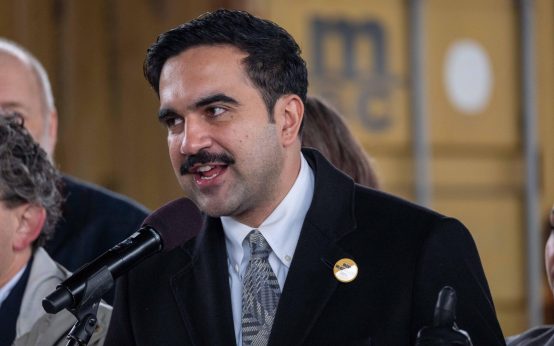 Mayor Mamdani’s Policing Reform Plans
 Gen Z Voter Shifts and Their Impact on the 2026 Midterm Elections
 Disappearance of US Senate Candidate Raises Questions
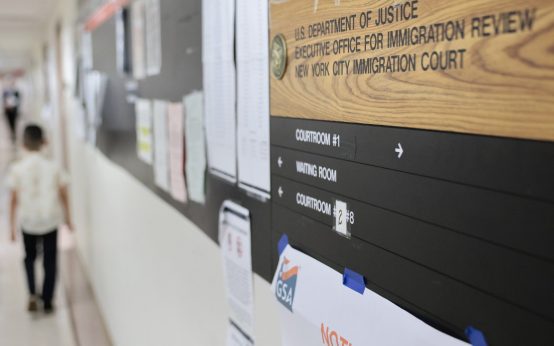 DOJ Rule Change Reduces Appeal Time for Immigrants Facing Deportation
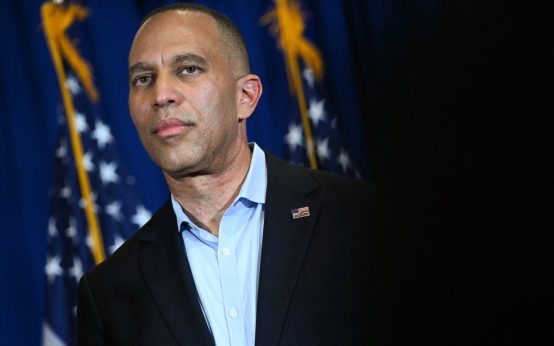 Hakeem Jeffries’ Bid for House Speaker Faces Progressive Hurdles
 Ohio Judge Dismisses Defamation Lawsuit by Rep. Max Miller