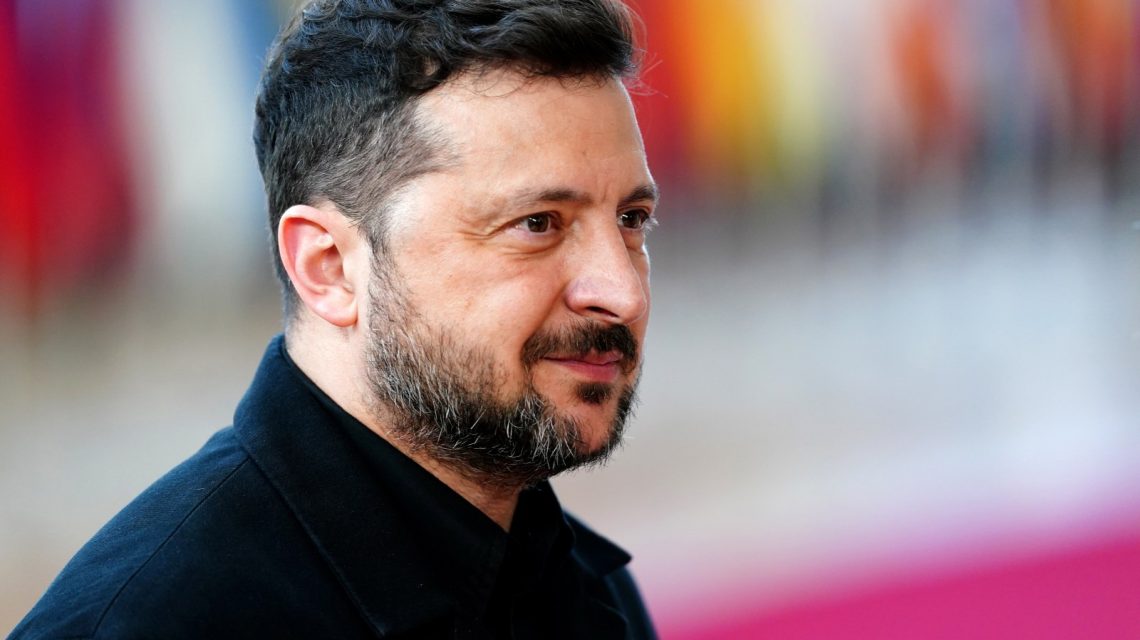
Poland decided to revoke the Order of the White Eagle from Ukrainian President Volodymyr Zelensky. This move came after he approved the renaming of a Ukrainian military unit to commemorate the Ukrainian Insurgent Army (UPA). The UPA is known for massacres of Poles during World War II. The decision could aid Russian President Vladimir Putin’s portrayal of Zelensky and Ukraine as Nazis.
Ukraine’s Foreign Minister Andriy Sybiha criticized the Polish President Karol Nawrocki’s decision, calling it a significant mistake that only benefits Moscow. The incident might lead to a diplomatic dispute, despite Ukraine and Poland’s close alignment since Russia’s invasion of Ukraine in 2022. This controversy has emerged just days before a conference on Ukraine’s reconstruction in Poland.
The WWII Dispute Between Ukraine and Poland
Poland has been a strong supporter of Ukraine, especially against their common adversary, Russia. However, various issues, including refugee matters and grain imports, have shifted some sentiments towards Ukraine. The legacy of WWII massacres also influences Poland’s perception of Ukraine.
Nawrocki stated that revoking the honor does not target the Ukrainian people or affect Poland’s strategic security direction. Sybiha, in response, expressed regret over Poland’s escalation and noted Ukraine’s sovereignty in dictating its history.
The UPA’s Historical Context
In Ukraine, the UPA is seen by some as heroes for resisting Nazi Germany and the Soviet Union, symbolizing the country’s struggle for independence from Moscow. However, the UPA’s involvement in the Volhynia massacre, which led to approximately 100,000 Polish civilian deaths, complicates their legacy. The decision to honor a unit with UPA’s name caused outrage within Polish politics.
A survey by SW Research indicated that 51.9% of Poles viewed Ukraine and Zelensky more negatively after the renaming decision. Zelensky had received the Order of the White Eagle in 2023 for advancing bilateral relations, democracy, and European security.
Putin’s Narrative Against Ukraine
Since Russia’s invasion in 2022, Putin has tried to depict Ukraine as Nazi-led, linking this to the Holocaust. He referred to Ukraine’s leadership as “far-right nationalists and neo-Nazis” and emphasized the need to “denazify” Ukraine. This rhetoric ties into Soviet mythology surrounding the Great Patriotic War.
RAND’s 2025 study showed that Russia spread extremist narratives, including the “Nazi Ukraine trope.” Despite Ukraine’s history of antisemitism and the existence of far-right groups, these groups remain politically marginal. The current dispute might reinforce Moscow’s central messaging against Ukraine, which remains dependent on Western political support.
 The Trump Team’s Challenge to the Military Leadership
  Maryland First State to Restrict Electronic Pricing in Grocery Stores
  British Police Arrest Man Suspected of Terror Plot
  Activists Push for Nationwide Ban on Child Marriage in the U.S.
  Democratic Hopes and Historical Warnings in 2026 Senate Race
  Republicans Face Challenges Amidst Cost of Living Concerns