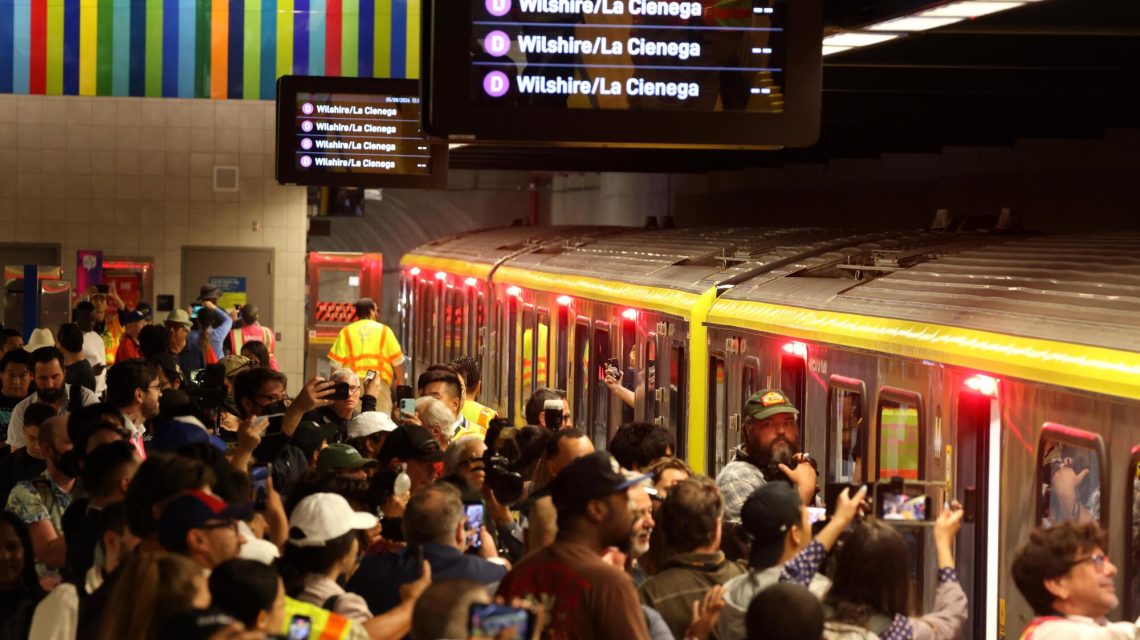
The Westside subway extension in Los Angeles has evolved from a long-standing dream into a tangible reality. Initially conceptualized in the 1980s, the Metro D Line has now expanded past Wilshire/Western, integrating three new stations: Wilshire/La Brea, Wilshire/Fairfax, and Wilshire/La Cienega. This extension has brought increased connectivity to the city, creating a more cohesive urban experience. Though the city hasn’t been wholly transformed, the expansion marks a significant step toward overcoming Los Angeles’s notorious urban sprawl.
Underground, the new stations showcase Metro’s enhanced design philosophy, merging art, architecture, and infrastructure into a unified experience. The incorporation of art is more than decorative. It helps define the space itself. A longstanding initiative, the L.A. Metro Art program has been vital in this transformation. Since the 1980s, it has commissioned over 200 artworks throughout the metro system.
Earlier station designs often focused on bold, unique integrations of architecture and artwork. For instance, the Santa Monica/Vermont station, with its impressive stainless steel canopy and dramatic escalator cavern, reflected such creativity. Similarly, the Pershing Square station featured neon art that played off its architectural elements. However, these older designs also occasionally suffered from inconsistency and lacked functionality in certain aspects.
More recent designs, like those on the new D Line extension, balance art with practical elements. Architects Johnson Fain and Gensler developed a shared language of materials and visuals across the new stations, resulting in cleaner, more user-friendly environments. Eamon Ore-Giron’s “Infinite Landscape: Los Angeles Para Siempre” at Wilshire/La Brea station is a prime example, seamlessly integrating art into the station’s design while reflecting the local architectural style.
“The integration of art and design in the new stations has led to a more coherent experience,” says a commuter who frequents the D Line.
However, above ground, the station plazas lack the vibrancy found below. These plazas, though architecturally modern, are devoid of the elements that invite public interaction, such as seating, greenery, and shade. This cautious design approach aims to avoid challenges like maintenance issues and security concerns. Yet, it also limits the development of these spaces as welcoming public areas.
Transport services remain an area for improvement. While the trains have not been overly crowded, the waiting times are significant, and there isn’t sufficient parking or easy access for those living further from stations. The last-mile connectivity issue persists, limiting the system’s appeal to only those who already rely on public transit rather than attracting new riders.
The new extension suggests a more connected Los Angeles, linking dense urban areas with an effective transit spine. Yet, the real challenge lies in integrating these stations with the surrounding communities and ensuring these urban connections extend beyond the station walls. The city must collaborate with Metro to harness this potential, transforming stations into communal spaces rather than mere transit points.
 Cargo Plane Crash at Miami International Airport
  Marine Veteran Suing Oregon School District Over Curriculum Reimbursement
 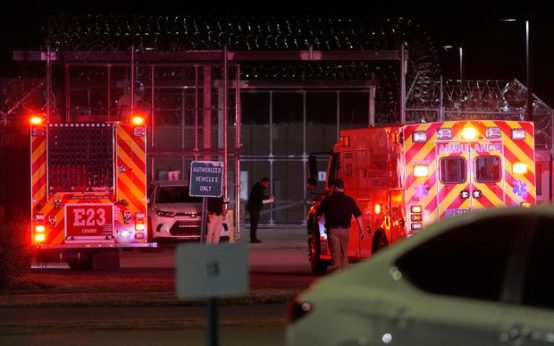 Tennessee Execution Halted as Issues Persist with Lethal Injection Protocol
 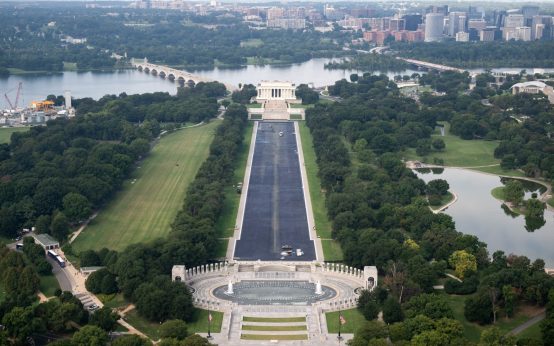 Judge Dismisses Case Against Former Olympian Over Lincoln Memorial Incident
 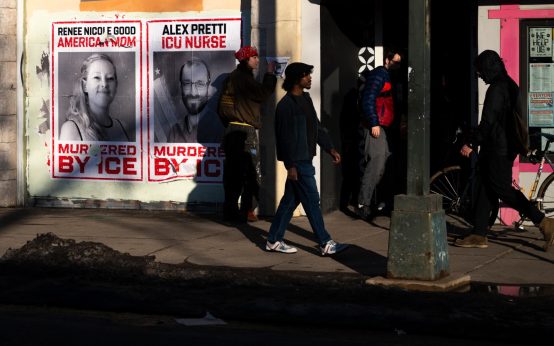 Minnesota Family Files Civil Rights Lawsuit Over ICE Agent Shooting
  California Bans Child Marriage, Protecting Minors