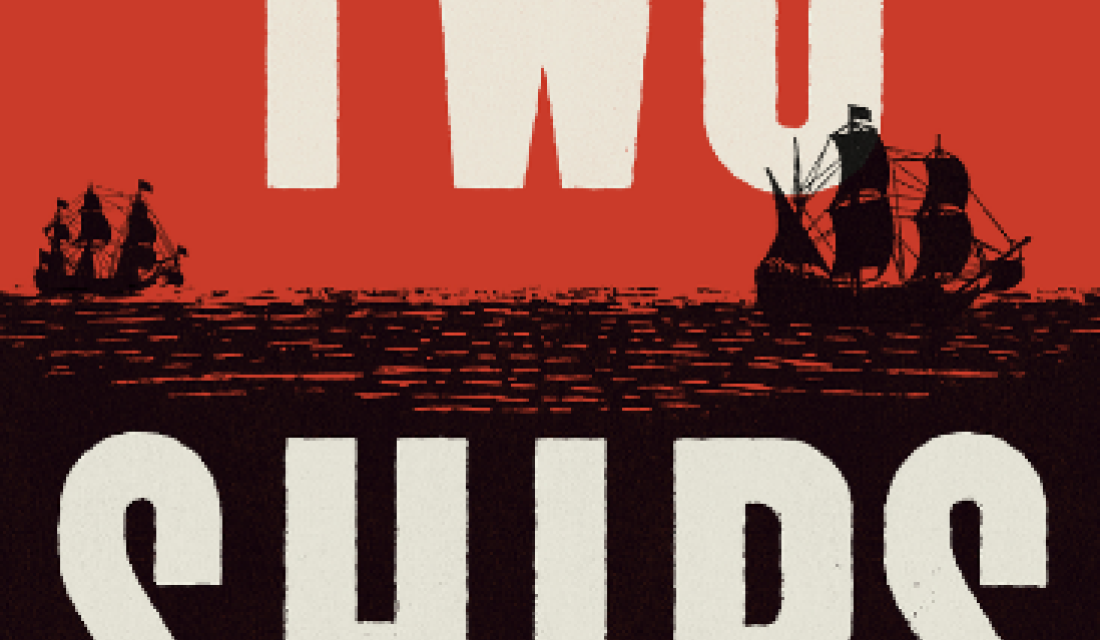
Historian David S. Reynolds’ latest book, Two Ships, arrives during a significant milestone for the United States. The book explores the divided origins of the nation, highlighting how its foundational stories have shaped contemporary tensions.
Two Ships delves into the intertwined legacies of the Mayflower and the White Lion. In 1620, the Mayflower brought the Pilgrims to Plymouth, Massachusetts. A year earlier, the White Lion arrived in Jamestown, Virginia, carrying the first enslaved Africans. Reynolds argues that the interpretations of these voyages have fueled conflicting narratives of American identity.
The passengers of the Mayflower were separatist Puritans. They opposed the rule of King James I of England. People later credited them with sowing seeds of egalitarian democracy in America. In contrast, Jamestown settlers were Royalists, also called Cavaliers. They supported a hierarchical society loyal to the monarchy. Over time, the symbols of these ships evolved, depending on the context.
During the Civil War, these metaphors were widely used. Abolitionists condemned the White Lion for bringing the ‘plague’ of slavery. Notable figures like Frederick Douglass frequently used the ‘two ships’ metaphor. Abraham Lincoln, however, avoided it, aiming for national unity. Southern descendants of Cavaliers criticized the Puritans through the Mayflower metaphor, depicting them as intolerant.
Reynolds notes that the South’s nostalgia linked Puritanism with abolitionism, viewing it as a threat to the Union. This sentiment tied into their appreciation for literature, such as Nathaniel Hawthorne’s anti-Puritan The Scarlet Letter and Sir Walter Scott’s romantic novels. Mark Twain famously criticized Scott’s influence.
Two Ships provides a detailed survey of American history through this metaphor. By the 1890s, racial solidarity across the North and South had reshaped perceptions. The Mayflower image became commercialized by the late 20th century, losing its political context.
Recently, the 1619 Project reignited interest in the White Lion’s narrative, centering it in slavery debates. While outside the book’s focus, ignoring such a pivotal moment would seem remiss. Despite criticisms, reading Two Ships offers valuable insights into America’s historical narratives, beneficial for understanding the nation’s evolving identity.
Reflecting on these perspectives can help us navigate simplistic stereotypes and broaden our awareness of American history. As Ernest Hemingway, a descendant of the original Pilgrims, might cynically suggest, this comprehension is significant, albeit challenging.
 Amir Odom Discusses Departing from the LGBTQ Movement
  Preserving Ken Kesey’s Iconic Bus ‘Furthur’ for Future Generations
  Historical Events in Chicago on October 3
  Martina Navratilova’s Enduring Influence in Tennis and Beyond
  World Porridge Making Championship: A Unique Scottish Tradition
  Readers React to Miss Manners Column