
NCAA’s Transgender-Athlete Policy Stands After Supreme Court Decision
NCAA President Charlie Baker has stated that the organization’s policy on transgender-athlete participation will remain unchanged despite a recent Supreme Court ruling. The court’s decision favored West Virginia and Idaho against trans athletes seeking entry into girls’ sports.
This ruling supports state laws mandating that student-athletes compete in sports teams based on their biological sex rather than their gender identity. In high-profile cases like West Virginia v. B.P.J. and Little v. Hecox, such measures were upheld.
Baker’s Views on Policy Adjustments
Appearing on CBS’ “Face the Nation,” Baker responded to inquiries about potential changes to the NCAA policy. He indicated that the organization aims for policies with a national standard. Baker mentioned that discussions with Washington politicians suggested a need for clarity on these standards.
The NCAA’s current policy reflects the Trump administration’s stance, enforcing a policy where a student-athlete assigned male at birth can practice and receive benefits on NCAA women’s teams.
Criticisms and State-Level Legislation
Critics argue that the policy lacks protective measures for female athletes, with concerns about trans athletes changing birth certificate gender markers to meet requirements.
Alterations to birth certificates are permitted in 44 states, with only Florida, Texas, Kansas, Oklahoma, Tennessee, and Montana disallowing such changes. Fourteen states, including California and New York, permit changes without medical documentation.
This discussion continues in the context of differing state regulations and a national standard pursued by the NCAA.
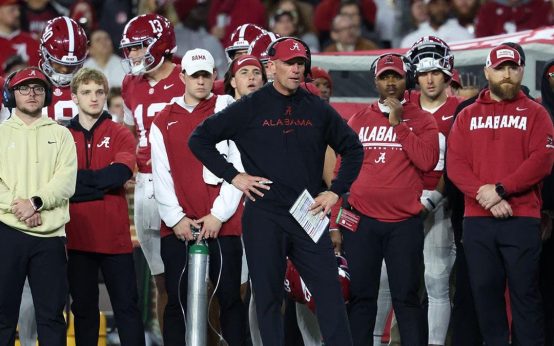 Dramatic Finishes Shake Up College Football Rankings
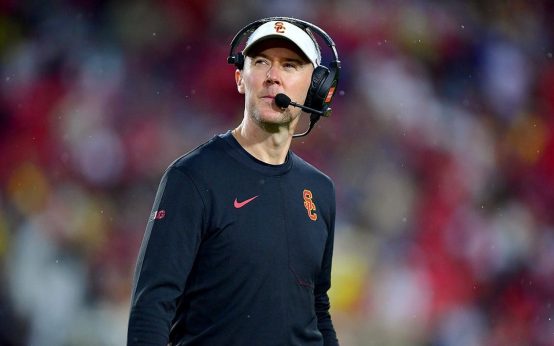 USC Trojans’ Rollercoaster Season: Lincoln Riley’s Redemption?
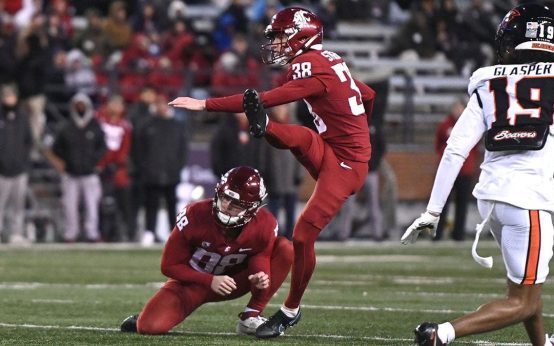 Washington State’s Unforgettable Victory over San Diego State
 Golfer Faces Unexpected Encounter With Real Snake
 Rey Mysterio Announces Final Match Set for 2027
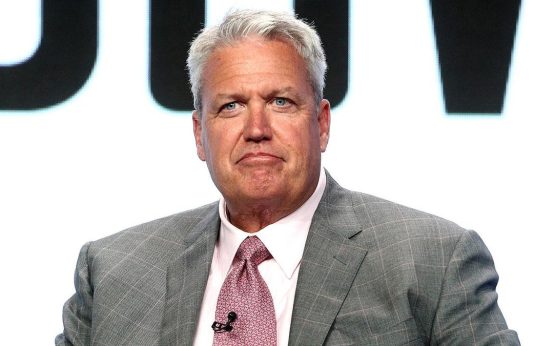 Aaron Rodgers and Mike McCarthy: A Critical Dispute