
Seasonal Affective Disorder (SAD) is typically associated with the cold, dark months of winter. However, a less common type, known as summer SAD, affects some individuals during the warmer months. Though not as prevalent as its winter counterpart, summer SAD is recognized by mental health professionals.
A recent study examined the prevalence of summer SAD. This meta-analysis reviewed 24 studies with a collective sample size exceeding 32,000 participants. It found that approximately 0.57 percent of people experience summer SAD. In contrast, around 5 percent are affected by the winter variety.
Understanding summer SAD involves recognizing symptoms such as lethargy, irritability, loss of appetite, and feelings of hopelessness during the summer months. These symptoms are contrary to what many associate with the vibrancy of summer.
Mental health professionals suggest strategies to address summer SAD. These include maintaining a regular schedule, staying cool, engaging in indoor activities if sunlight is overwhelming, and seeking professional help if necessary.
 Increased Funding Needed for Psychiatric Hospitals
  Trump Administration Distributes ACA Refund Checks
  Higher Consumption of Ultra-Processed Foods Linked to Increased Health Risks
  Navigating Grief After a Sibling’s Overdose
  Understanding Inflammation: Myths and Facts
 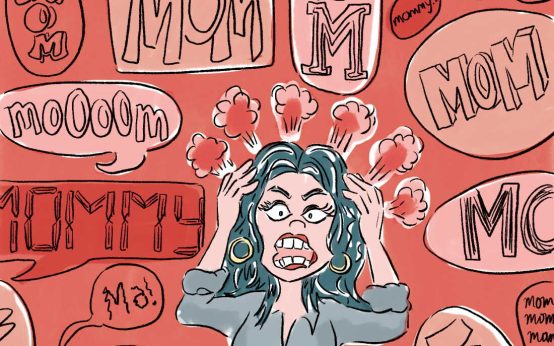 Calm Parenting: Strategies to Manage Stress