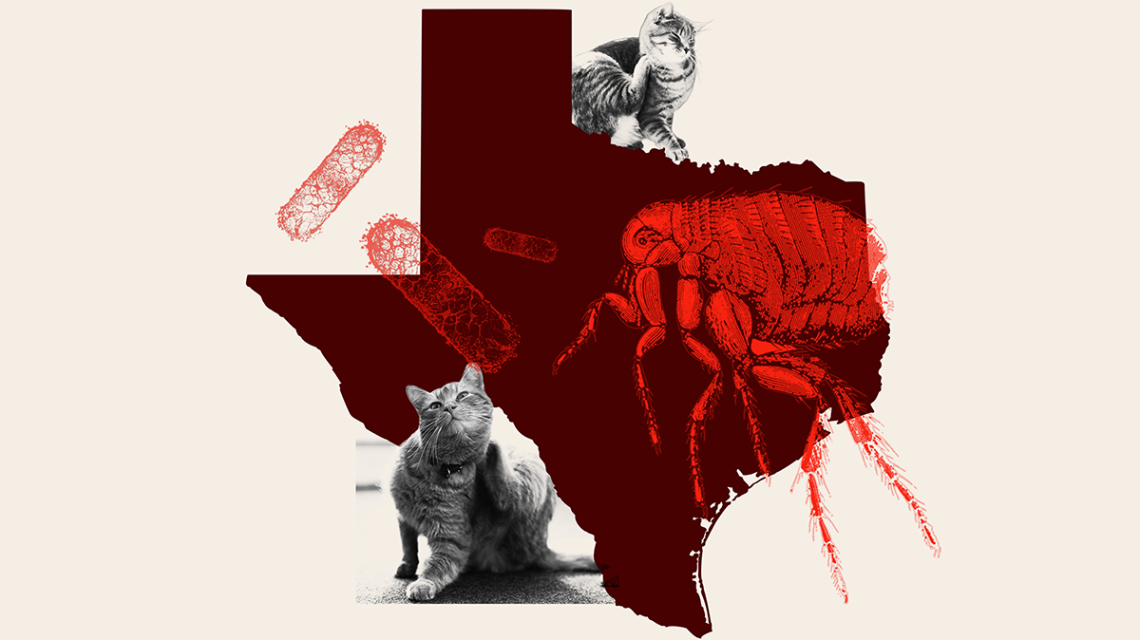
A flea-borne disease is making a comeback in Texas, sparking warnings about its transmission through pets. Recent studies in the southern state have identified a link between fleas on domesticated cats and the bacterium responsible for murine typhus. This illness, once considered nearly eradicated, has re-emerged, with over a hundred hospitalizations reported in Galveston alone.
Understanding Flea-Borne Typhus
Murine typhus, also known as flea-borne typhus, is caused by the bacterium Rickettsia typhi. It spreads to humans through infected fleas. Symptoms can appear between six to 14 days post-exposure and include fever, headache, chills, rash, backache, joint pain, and nausea. While most cases are mild, untreated infections may require hospitalization.
Data from the University of Texas Medical Branch and the Centers for Disease Control and Prevention (CDC) confirm two deaths from the disease between 2019 and 2023. California has also seen a resurgence of this illness.
Transmission Pathways
The disease is not transmitted person to person. Humans typically contract it through flea feces containing the bacteria entering the skin through a bite or coming into contact with mucous membranes. Traditional vectors are fleas feeding on infected rodents, but domestic cats and their fleas are now suspected.
Research Findings
A Texas A&M University study published in Parasites & Vectors examined cat fleas for the presence of R. typhi in the Rio Grande Valley. Of 167 cats, fleas from six tested positive. This number might seem small, but more than 6,700 cases of flea-borne typhus have been reported in the region from 2008 to 2023.
This study highlights the importance of the ‘One Health’ approach, which views animal and human health as interconnected. While cats rarely become seriously ill from R. typhi, controlling flea populations on pets through veterinary care is crucial.
Health Department Insights
According to San Antonio Metropolitan Health District, flea-borne murine typhus is endemic to Bexar County. The department advises using insect repellents, treating pets for fleas, and controlling rodent populations to prevent flea infestations.
The Galveston Impact
The University of Texas investigated the severity of the disease. Between April 2019 and October 2023, there were 149 murine typhus cases, with 80% resulting in hospitalization. Two patients died from multiorgan failure and severe immune complications. Older age, obesity, diabetes, and chronic kidney disease were identified as risk factors.
Recent data shows a rise in R. typhi antibodies among Galveston residents, indicating increased exposure. From 2013 to 2021, antibody prevalence jumped from 1.2% to 7.8%, a significant rise.
Dr. Sarah Hamer from Texas A&M College of Veterinary Medicine and Biomedical Sciences notes that factors like pet cat populations, stray cats, socioeconomic barriers to flea treatments, and warming climates contribute to the increased flea infestations and bacteria transmission.
Previously, vector-control campaigns in the 1940s reduced rat flea populations, nearly eliminating murine typhus in the U.S. However, the disease is now resurfacing, particularly in South Texas, through fleas on both pets and stray cats.
 Increased Funding Needed for Psychiatric Hospitals
  Trump Administration Distributes ACA Refund Checks
  Higher Consumption of Ultra-Processed Foods Linked to Increased Health Risks
  Understanding Inflammation: Myths and Facts
  Calm Parenting: Strategies to Manage Stress
  Trump’s Executive Order to Combat Mosquitoes and Ticks in D.C.