
Boston recently filed a lawsuit against major social media companies including Meta, TikTok, Snapchat, and YouTube. The city claims these platforms are harmful to children’s mental health due to addictive design features. This lawsuit is part of a larger legal movement where over 1,500 similar complaints are being consolidated in a multidistrict litigation in Northern California. This adds momentum to an ongoing legal battle heading toward new bellwether trials.
The lawsuits accuse the social media companies of designing platforms to keep young users online longer. Features like infinite scroll, autoplay videos, push notifications, and recommendation algorithms are said to exploit the developmental vulnerabilities of children. These features encourage compulsive use, affecting sleep, social development, academic performance, and overall mental well-being.
While companies deny any wrongdoing, stating they invest in parental controls and safety tools, the controversy continues. The latest filing from Boston follows a $27 million settlement by a rural Kentucky school district with Meta and YouTube. The Kentucky case was chosen as the first federal bellwether in the multidistrict litigation. With its resolution, focus shifts to upcoming trials in Tucson, Arizona, and Charleston, South Carolina, slated to begin in February 2027. U.S. District Judge Yvonne Gonzalez Rogers selected six school districts as bellwethers to test legal arguments, including Tucson and Charleston.
Furthermore, Meta is set to face a trial in August brought by state attorneys general. They accuse the company of designing Facebook and Instagram to encourage excessive use among children and teens while misleading the public about risks. This trial is part of the multidistrict litigation and will take place in California.
In addition to the school district cases, several states have launched their own legal challenges against social media companies. Nine states have pursued separate actions in state courts under consumer protection and other laws. These state-led cases, while distinct, raise similar allegations about features designed to engage children despite mental health concerns.
While many cases remain unresolved, some plaintiffs have had early successes. In March 2026, a Los Angeles jury found Meta and YouTube liable in a youth-addiction case, awarding $6 million to a young woman. She argued social media addiction harmed her mental health. Both companies opposed the verdict, with Meta announcing plans to appeal.
These developments are seen as milestones in the broader litigation campaign, offering hope to plaintiffs. Despite ongoing disputes, the multidistrict litigation, initially filed in 2022, continues to grow as more plaintiffs join. According to Previn Warren, co-lead counsel, interest in the lawsuit is rising.
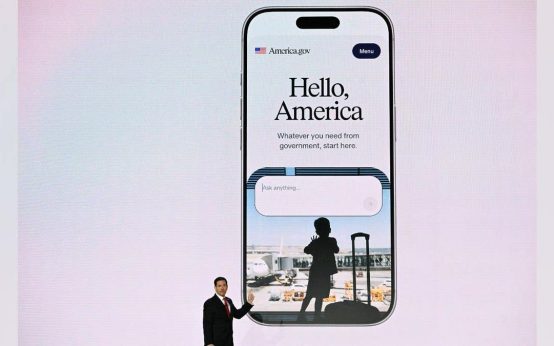 Trump Unveils AI-Powered America.gov Platform
  Immigration Judge Allows Deportation of Wisconsin Mosque Leader Salah Sarsour
  Trump’s 2024 Campaign Targets Young Men Through Cryptocurrency
  How Modern Windows Improve Home Insulation
  State Department Simplifies Passport Process with Online Applications
  Senate Democrats Block Data Center Bill Over Efficiency Concerns