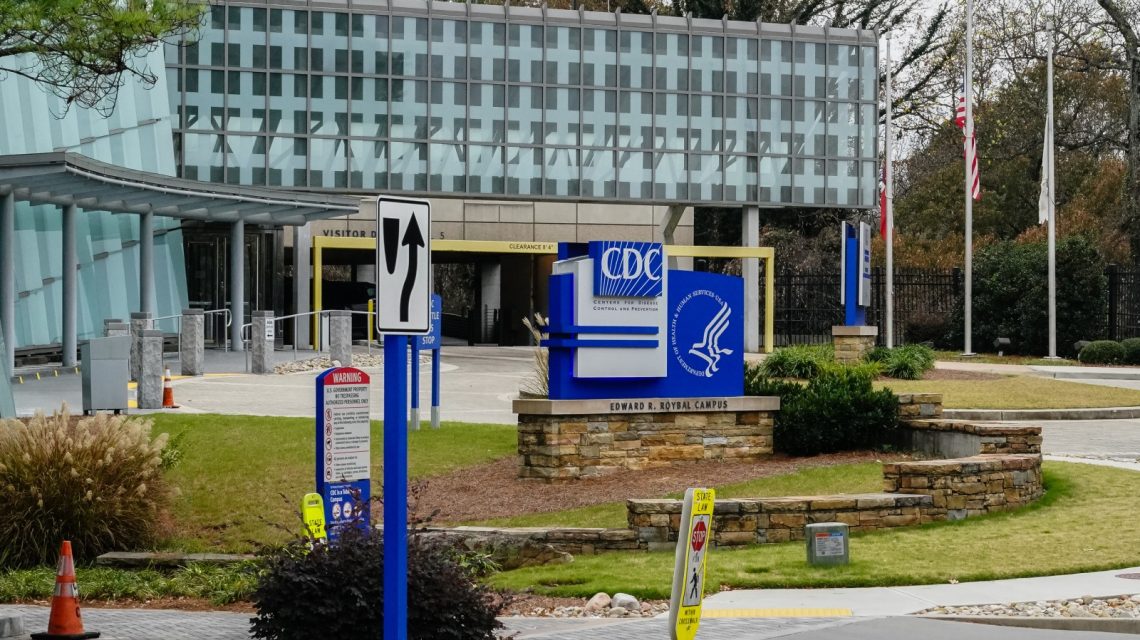
Health officials are examining a rise in cases of cyclospora infection, known as cyclosporiasis, spreading across the United States. This foodborne illness can lead to severe diarrhea. Several states have reported cases, with Michigan experiencing an unusually high number.
Understanding Cyclosporiasis
Cyclosporiasis is caused by the microscopic parasite Cyclospora cayetanensis. According to the Centers for Disease Control and Prevention (CDC), the illness often results in watery diarrhea, which may involve frequent and intense bowel movements. Past outbreaks in the U.S. are frequently linked to contaminated fresh produce, with cases rising during the summer months.
States Reporting Cases
CDC data and state health department reports confirm cases in several states, specifically:
- Alaska
- Colorado
- Connecticut
- Florida
- Georgia
- Illinois
- Louisiana
- Massachusetts
- Michigan
- New Jersey
- New York
- North Carolina
- Ohio
- Pennsylvania
- Tennessee
- Texas
- Virginia
- Wisconsin
Michigan has the most confirmed cases, with Ohio also noting a significant rise. Other states continue to investigate smaller clusters.
Michigan’s Unusual Outbreak
Michigan’s outbreak includes over 700 confirmed cases. Officials are analyzing food histories and grocery purchases to identify a potential source. As of early July, Ohio reported 177 cases and Texas reported 48 cases. New York, North Carolina, and Illinois also have rising case numbers or suspected clusters under investigation.
CDC Observations
Cyclosporiasis cases typically increase between May and August, according to the CDC. The latest national CDC surveillance update recorded 145 domestically acquired cases in 17 states from May 1 to June 16, involving 20 hospitalizations and no deaths. While the CDC’s national data carries a delay, total infections are believed to be higher, based on state reports. Currently, there’s no evidence all reported cases are part of a single outbreak. Investigators are examining multiple clusters to find any common food source.
Underestimation of Official Numbers
Many cyclospora patients do not undergo lab testing or seek medical care, leading to likely underreported cases. Delays in exposure, symptoms, testing, and reporting also mean surveillance data may not reflect the latest outbreak situation.
Foods Previously Linked to Cyclospora
No specific food source has been linked to the current outbreaks. However, previous U.S. outbreaks have been connected to foods such as:
- Basil
- Cilantro
- Mesclun lettuce
- Bagged salad mixes
- Raspberries
- Snow peas
- Green onions (scallions)
Fresh produce is often implicated due to potential contamination before reaching consumers from sources like irrigation water. The parasite does not spread from person to person as it matures in the environment before becoming infectious.
Symptoms of Infection
Symptoms generally appear around a week after consuming contaminated food or water. They may occur between two days and two weeks post-exposure. Common symptoms include:
- Watery diarrhea
- Frequent, possibly severe, diarrhea
- Stomach cramps
- Bloating
- Nausea
- Loss of appetite
- Fatigue
- Weight loss
Without treatment, symptoms can persist for weeks, improving and then returning.
Future Actions
The Food and Drug Administration, CDC, and state health departments are investigating potential contamination sources. As no specific food product has been identified, and due to seasonal cyclospora infections and reporting delays, more cases are expected. Investigators aim to determine whether the illnesses result from multiple unrelated contamination events.
 Increased Funding Needed for Psychiatric Hospitals
  Trump Administration Distributes ACA Refund Checks
  Higher Consumption of Ultra-Processed Foods Linked to Increased Health Risks
  Understanding Inflammation: Myths and Facts
  Calm Parenting: Strategies to Manage Stress
  Trump’s Executive Order to Combat Mosquitoes and Ticks in D.C.