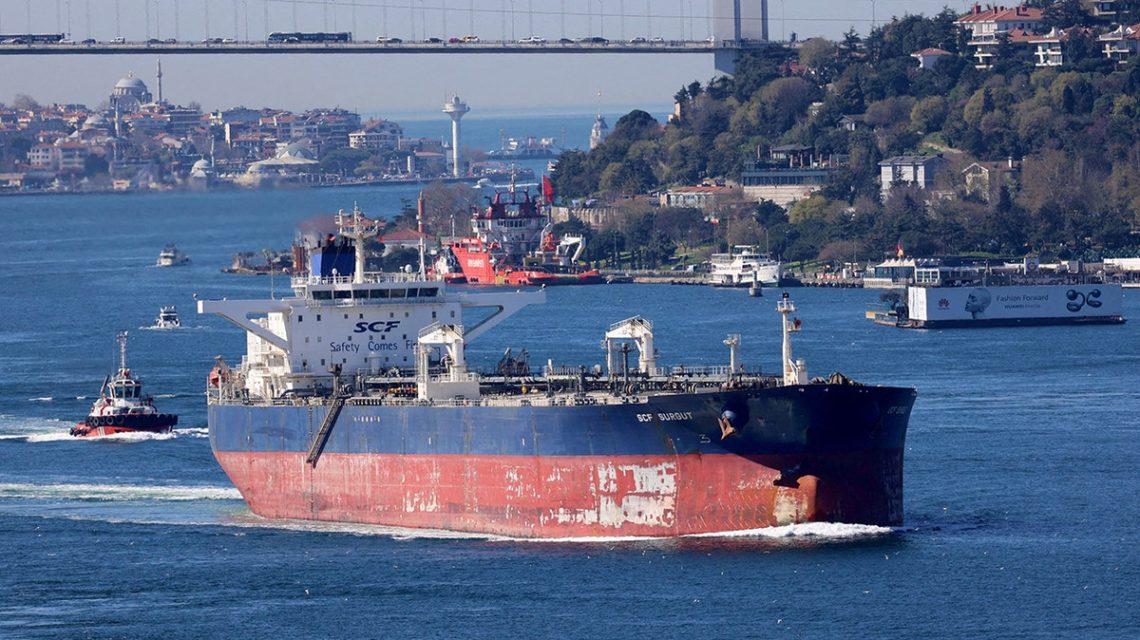
Even as NATO allies ramp up defense spending, arm Ukraine, and impose sanctions on Russia, European Union countries still rely heavily on Russian liquefied natural gas. This dependence provides a significant revenue stream for Russia as it continues its war efforts in Ukraine.
An analysis of commercial shipping data by environmental watchdog Urgewald, using Kpler’s trade intelligence platform, reveals that European countries spent billions on Arctic liquefied natural gas in the first half of 2026. Out of 140 cargoes exported from Russia’s Yamal LNG project, 136 went to European Union ports between January and June. China received only four cargoes in the same period. These shipments are estimated to be worth about €5.96 billion ($6.8 billion) based on European natural gas prices.
Despite pledges to cut off Russian fossil fuels, Europe remains a top destination for Russian LNG exports. French ports received 51 cargoes from the Yamal LNG project, followed by Belgium with 37 and Spain with 34 in the first six months of the year. The figures indicate deliveries to ports, not necessarily the countries purchasing the LNG.
NATO allies are committed to raising defense spending to 5% of GDP in response to Russia’s actions, but energy revenues continue to flow to Moscow. The EU plans to phase out Russian gas gradually, banning long-term contracts for Russian LNG effective January 1, 2027, and imposing a similar ban on pipeline gas by September 30, 2027. While imports of Russian pipeline gas have significantly decreased since 2022, Russian LNG remains a crucial supply for some European nations.
President Donald Trump criticized Europe’s reliance on Russian energy, stating that Europe spent more on purchasing Russian oil and gas than on defending Ukraine. European Commission spokesperson Anna-Kaisa Itkonen attributed the increased LNG deliveries to adjustments in contracts ahead of stricter restrictions and disruptions in the market.
In response to the closure of the Strait of Hormuz, efforts were made to secure alternative LNG supplies, which may have led to more Russian LNG cargoes staying within the European market. “As a result of President Trump’s energy dominance agenda, the United States is the world’s largest producer and exporter of oil and natural gas,” the White House asserted, adding that Europe is now the largest importer of U.S. LNG.
Belgium supports the EU’s agreement to gradually phase out Russian gas imports, actively implementing all related EU measures. The reliance on Russian natural gas intensified after Russia’s full-scale invasion of Ukraine in 2022, leading to severe reductions in gas supplies to several European countries. The European Union has accelerated efforts to eliminate reliance on Russian fossil fuels to disrupt Russia’s export revenue.
In 2022, the European Parliament asked the Commission to investigate claims that Russian-funded groups tried to sway EU energy policies, although no definitive public findings have confirmed this. The current situation underscores the gap between the EU’s long-term goals of ending Russian energy imports and its ongoing reliance on Arctic LNG.
The U.S. and its allies aim to cut off Russia’s energy revenue to limit its capabilities for war in Ukraine. In June, EU foreign ministers approved more sanctions targeting Russia’s military industry and energy revenue by tightening constraints on Russia’s shadow fleet. Spain, as a major importer of Russian LNG, is at the center of the debate on the EU’s planned phaseout.
Spain’s energy minister insisted that recent Russian LNG import increases were temporary, advocating for the EU’s plan to eliminate Russian gas imports starting in 2027. The findings coincide with talks on legislation for secondary sanctions against countries continuing to purchase Russian energy, aimed at intensifying pressure on Moscow.
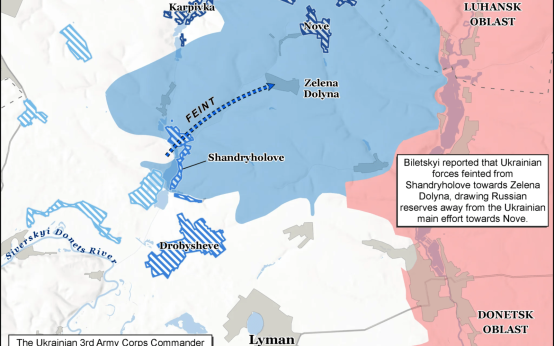 Ukraine Converts APCs to Explosive Devices in Donetsk Offensive
 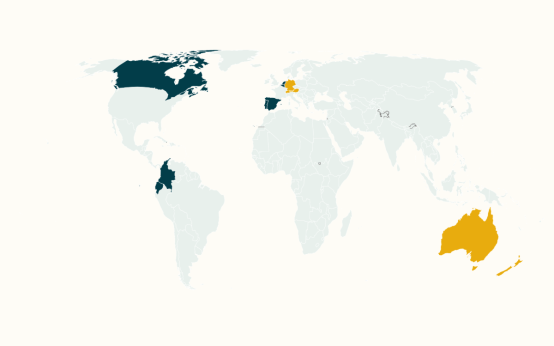 Dutch Review Board’s Euthanasia Ruling and International Debate
 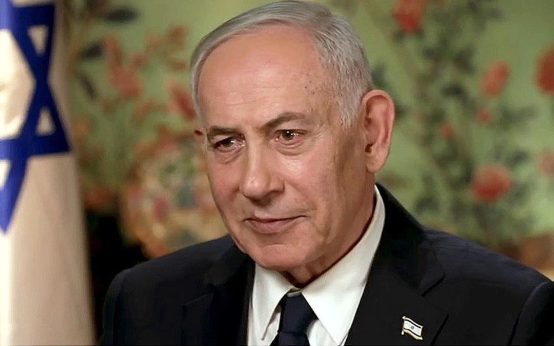 Israeli PM Commends Heroic Actions in Flight Emergency
  Rabbi and Jewish Leaders Criticize Adam Brody for ‘Genocide’ Comment
  Flydubai’s Emergency Landing Highlights Cockpit Security
  Former Israeli PM Naftali Bennett Commends Passengers and Crew for In-Flight Heroism