
Concerns of a full-scale war reignited as the U.S. military hit Iranian targets for four consecutive nights. Iran retaliated with attacks on American military facilities in the Middle East. This tension comes after President Trump threatened to destroy Iran’s civilian infrastructure, emphasizing continued military action until Iran agrees to negotiations.
The U.S. conducted strikes in Iran targeting missile and drone sites to hinder Iran’s threat to shipping routes. These operations spanned seven hours, reminiscent of the intense bombings from earlier in the conflict. Iranian state media reported the deaths of seven Iranian soldiers following an attack on barracks near Iranshahr.
In response, Iran’s Islamic Revolutionary Guards Corps announced strikes against U.S. military bases in Bahrain, Jordan, and Kuwait. There were no immediate reports of damage or casualties, but Jordan’s military intercepted missiles, and Kuwait’s forces intercepted drones.
U.S. Strategy and Economic Impacts
Trump’s approach to conflict resolution remains unclear. He discussed targeting infrastructure in an interview, suggesting possible ground campaigns by allied forces. Earlier plans to charge ships in the Strait of Hormuz were retracted, although a naval blockade was enforced.
Oil remains a central issue; Trump’s blockade and related measures caused fluctuations in oil prices. On Tuesday, Brent crude rose above $86 per barrel due to market uncertainties. The decreased traffic through the Strait of Hormuz resulted from the blockade and active military tensions.
“We have now run through all of the buffers which helped moderate oil and natural gas and to some extent fertilizer and helium prices for the first three or four months of the war,” said David L. Goldwyn, a former U.S. diplomat.
Before the conflict, the strait was critical for global oil flow, transporting one-fifth of the world’s supply. The situation affects not only Iran; key allies and regional powers are adapting to this strained environment.
Global Repercussions
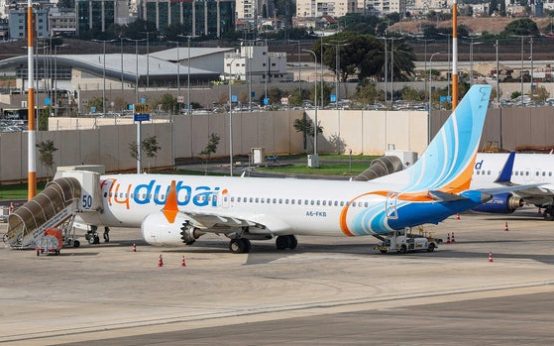
The renewed instability has led to recommendations by European aviation regulators for airlines to avoid Gulf airspace due to risks from military activity. This advice widens the conflict’s impact beyond direct combatants to global markets and industries.
Tehran has suffered economically due to the initial blockade, but negotiations had briefly reopened its export channels under specific waivers. Analysts believe such moves helped buy Iran some time, though the lasting economic drag from these restrictions remains significant.
The blockade impacted Iran severely, restricting exports vital to its economy. Renewed hostilities now threaten to escalate costs and repercussions for involved countries and beyond.
Cyber Warfare Concerns
Recent reports highlight Iran’s cyber capabilities targeting U.S. military personnel through outdated network technologies. These efforts, detected by initiatives like the Mobile Surveillance Monitor, reveal ongoing cyber espionage to track and potentially harm U.S. soldiers in the Middle East.
Congress has expressed concerns about cybersecurity threats against U.S. forces, stressing the need for increased safeguards. These digital threats are not as sophisticated as those from Russia or China, yet they present a persistent challenge in the current geopolitical landscape.
 British Police Arrest Man Suspected of Terror Plot
  Activists Push for Nationwide Ban on Child Marriage in the U.S.
  Investigation into Alleged Incident at Cornell University
  Rising Drone Threats Highlight Vulnerabilities in Moldova’s Airspace Defense
  Bolivia Faces Security Test Amid Unrest
  Incident on FlyDubai Flight Raises Security Concerns