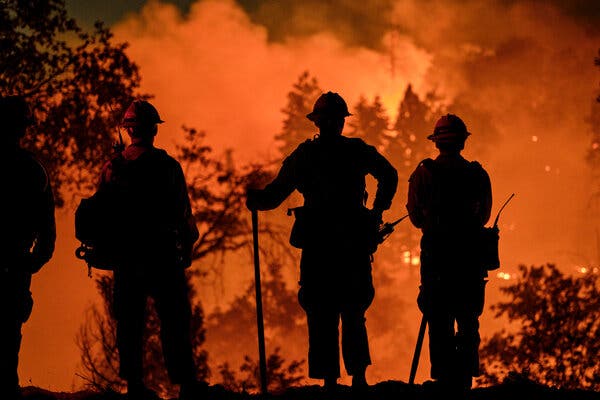
Wildfire Smoke and Air Quality
Wildfires often lead to unhealthy levels of smoke in nearby areas. Monitoring air quality is crucial for your safety during these times.
Checking Air Quality
Consult resources like The New York Times maps, AirNow.Gov, and Fire.AirNow.Gov to see air quality indexes. Numbers above 100 signal potential risks for those sensitive to air quality issues. The CDC notes potential health effects can start at AQI levels of 151 to 200, increasing in severity above 200. An AQI between 301 and 500 is hazardous for all, elevating health risks.
Understanding Health Risks
Smoke can worsen respiratory issues such as asthma and COPD. Those with these conditions or other chronic diseases like diabetes, heart disease, and kidney disease should be particularly vigilant. Children and pregnant women are also vulnerable according to the CDC.
Wildfire smoke can cause immediate symptoms such as coughing, wheezing, headaches, eye irritation, sore throats, sinus problems, chest pain, rapid heartbeats, and fatigue. Even healthy individuals may feel these effects.
 Hockey Player’s Family Criticizes ASU’s Response and NHL Player Honors Late Father
  Teen Left in Critical Condition After West Ridge Shooting
  Death of Kenan ‘Ken’ Urker, Partner of Gypsy Rose Blanchard
  Luigi Mangione’s Guilty Plea and Ongoing Legal Battles
  Cargo Plane Crash at Miami International Airport
  Marine Veteran Suing Oregon School District Over Curriculum Reimbursement