
The United States initiated military action against Iran with the aim of curbing Tehran’s nuclear ambitions. However, the focus has shifted considerably. What was initially a mission against nuclear proliferation has transformed into a strategic battle over the control of vital oil-shipping lanes.
At the heart of this conflict is the Strait of Hormuz, a narrow waterway connecting the Persian Gulf with the Gulf of Oman and the Arabian Sea. This maritime channel is essential for the global oil market. Nearly one-fifth of the world’s petroleum passes through this chokepoint. Securing control here holds significant implications for global oil supply and geopolitical power dynamics.
The Khor Fakkan Container Terminal is notably the only fully operational facility in the UAE situated outside the Strait of Hormuz, emphasizing its strategic significance amid regional tensions.
In March, former President Donald Trump suggested the war might conclude in a month. Now, nearly five months in, the reality is starkly different. Iran has proved itself to be a much more robust adversary than anticipated. The unforeseen shift from a focus on nuclear issues to a struggle for dominance over the Strait highlights the complexities of geopolitical conflicts.
Keir Simmons provided insights into the evolving circumstances behind an apparent change in the battlefield’s primary objective. The United States, known for its might and influence, might not have initially foreseen the durability of Iran’s defensive and operational strategies.
The narrative unfolding in the Strait of Hormuz exemplifies the unpredictable nature of international relations and military engagements. The world watches closely as this geopolitical chess game develops, knowing that the outcome will significantly impact global trade and regional stability.
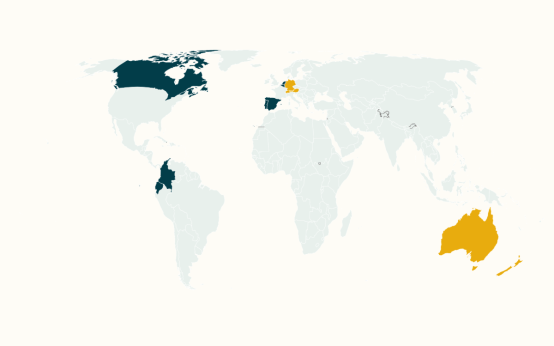 Dutch Review Board’s Euthanasia Ruling and International Debate
  Israeli PM Commends Heroic Actions in Flight Emergency
  Rabbi and Jewish Leaders Criticize Adam Brody for ‘Genocide’ Comment
  Flydubai’s Emergency Landing Highlights Cockpit Security
  Former Israeli PM Naftali Bennett Commends Passengers and Crew for In-Flight Heroism
 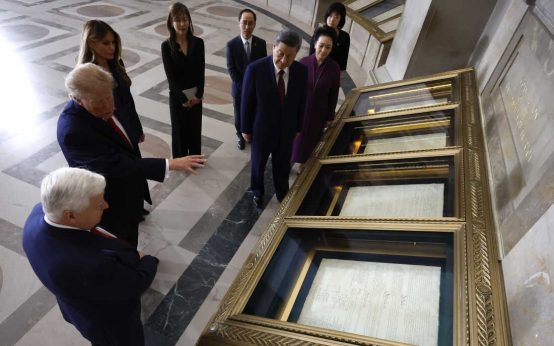 Diplomatic Complexities Unfold at U.S. National Archives Visit