
As Governor Ron DeSantis approaches the conclusion of his term, he is advocating for significant changes to Florida’s property tax system. Known for maintaining a balanced budget, implementing low spending, and enforcing light tax measures, DeSantis now proposes a plan that could dramatically alter local finances.
For more than a year, DeSantis has been championing the reduction of property taxes. Property taxes constitute approximately 75% of local tax revenues. In June, the Republican-controlled legislature supported a reduced version of DeSantis’s proposed constitutional amendment. This amendment is slated to appear on the November ballot.
The amendment’s impact is expected to be significant, as property taxes play a crucial role in funding local government operations across the state. Should the measure pass, it might necessitate finding alternative revenue sources to maintain financial stability at the local level.
DeSantis’s efforts have stirred substantial discussion among lawmakers and residents. Many are weighing the potential benefits against possible costs and risks to public services funded by property taxes.
Opponents of the proposal argue that eliminating or significantly reducing property taxes could strain local budgets, affecting essential services such as education, infrastructure, and public safety.
As Florida prepares for the upcoming ballot, debates around this measure are likely to intensify, with different stakeholders voicing their opinions and concerns about the future fiscal landscape of the state.
 Defense Secretary Emerges as Key Player in the Trump Administration
  Hegseth’s Vision for the Military: Balancing Tradition and Innovation
 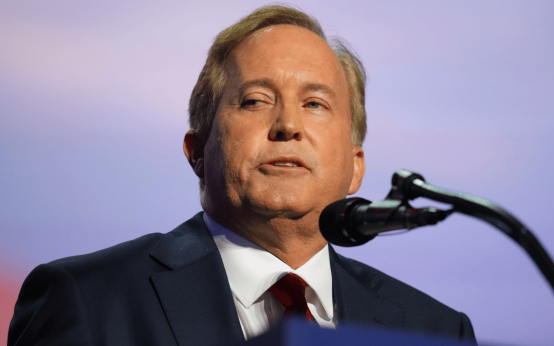 Significant Funding Boosts Ken Paxton’s Texas Senate Campaign Amid Tight Race
  U.S. States Extend Gas Tax Waivers Amid Rising Fuel Costs Due to Iran Conflict
  USCIS Raises Immigration Fees
  The Surveillance Threat to U.S. Federal Agents