
For many years, the United States viewed Gulf monarchies as essential allies in the Middle East. The American military presence expanded into a large network of bases across Qatar, Saudi Arabia, the United Arab Emirates, Bahrain, Kuwait, and Oman. These nations hosted American troops, purchased U.S. weapons, and supported regional policies. In return, they expected protection from the U.S.
Now, that arrangement is weakening. Major shifts in the Middle East are occurring not in Tehran, Tel Aviv, or Ankara but within the Gulf royal courts. They are reconsidering their reliance on the U.S. as a security partner, especially after recent U.S. actions against Iran. Under this scrutiny, the role of U.S. power is being questioned.
President Trump’s “Iran war,” as it was termed, intensified this reassessment. Gulf states participated by allowing American forces to operate from their lands. Trump praised Saudi Arabia, Qatar, and the UAE as key partners, yet this praise masked substantial risks they faced. Iranian retaliatory actions targeted their vital energy and desalination facilities. Observing U.S. defenses prioritizing Israel while they absorbed Iranian responses altered Gulf perceptions significantly.
Another key moment came with “Project Freedom,” a U.S. naval effort in the Strait of Hormuz. While Washington saw it as a sign of strength, the Gulf states viewed it as problematic. Saudi Arabia and Kuwait limited U.S. airspace and basing access. Qatar restricted U.S. actions from Al-Udeid Air Base, hindering the mission’s viability. These actions effectively canceled a major American operation, a situation almost unimaginable previously.
The incident marked a shift in cooperation terms. Previously, Gulf bases were available for U.S. use, but the arrangement now appears fragile. Gulf leaders are increasingly asking who truly benefits from U.S. protection. While the U.S. can flexibly engage or disengage from regional conflicts, Gulf nations remain close to Iran, facing direct threats.
The Gulf states’ experiences show they are platforms for American influence rather than equal partners. This understanding is driving their strategic realignment. They are turning towards “transactional neutrality” with the U.S., choosing operations selectively. “America First” prompts a “Gulf First” reaction.
Beyond military cooperation, Gulf states are diversifying defense partnerships, exploring non-American technologies, and seeking new security options. Some have intensified diplomatic efforts with regional rivals, including Iran, as strategic preservation goes beyond diplomacy.
This evolving stance should concern Washington. U.S. regional power projection relies heavily on Gulf cooperation. Trump’s transactional diplomacy suggests Gulf partnerships are now cost-based rather than commitment-driven. This realization is leading Gulf states to question the relationship’s value.
If Gulf states reduce U.S. military host agreements, America’s Middle East influence could decline. Despite unmatched military capabilities, reliable access and support are critical. Alienating allies while unsettling Gulf partners poses strategic challenges. The age of unconditional support from Gulf monarchies is fading, reshaping U.S. military strategy.
Brahma Chellaney, a renowned author, discusses the implications of this shift in “Water: Asia’s New Battleground.” Copyright 2026 Nexstar Media Inc. All rights reserved. This material may not be published, broadcast, rewritten, or redistributed.
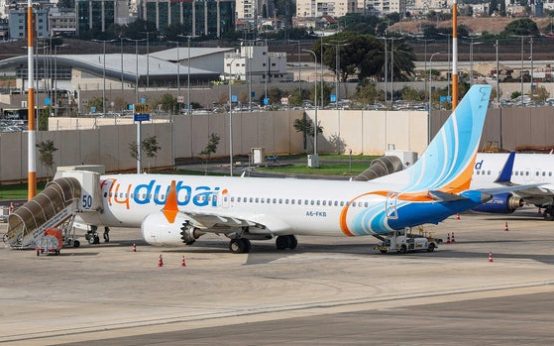 Incident on FlyDubai Flight Raises Security Concerns
 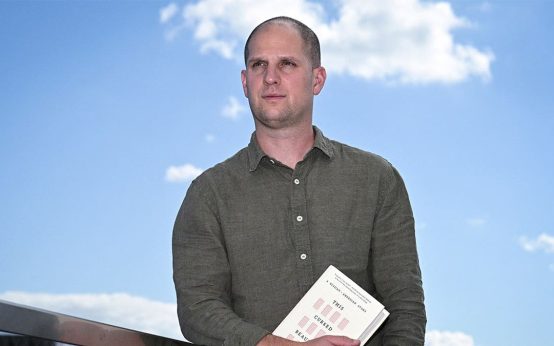 Journalist Gershkovich Discusses Wrongful Detention and Release in Russian Prisoner Swap
 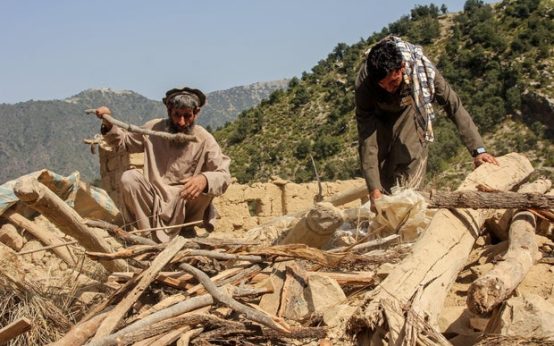 Pakistan Airstrikes in Afghanistan: Civilian Casualties Reported
 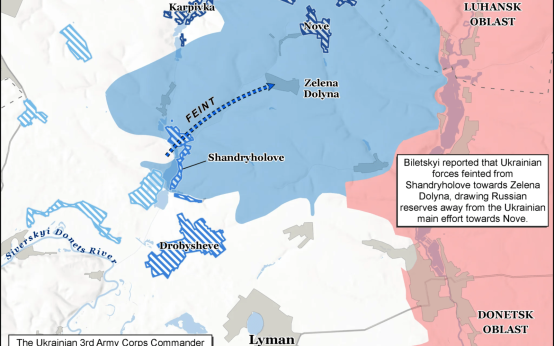 Ukraine Converts APCs to Explosive Devices in Donetsk Offensive
  Dutch Review Board’s Euthanasia Ruling and International Debate
  Israeli PM Commends Heroic Actions in Flight Emergency