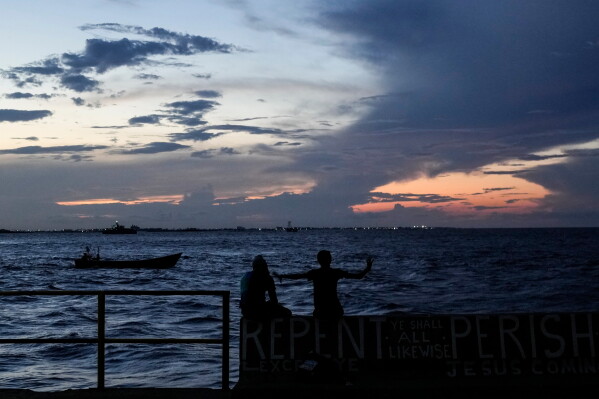
Tropical Storm Bertha made landfall on the southern tip of Louisiana, impacting areas from the Florida Panhandle to Mississippi. According to the National Hurricane Center, Bertha touched down in St. Bernard Parish, situated approximately 40 miles east of New Orleans and 45 miles southwest of Biloxi, Mississippi.
The storm brought significant wind and storm surge threats to the Deep South. Authorities responded by closing parks, piers, and certain low-lying roads along the coast. A tropical storm warning was issued from the Alabama-Florida border to Louisiana, covering the New Orleans metropolitan area and Lake Pontchartrain.
Bertha’s reach is extensive, with tropical storm force winds extending over 100 miles from its center. Forecasters anticipate a storm surge of up to 3 feet in Louisiana and significant rainfall in various regions. Predictions indicate rain totals between 2 to 4 inches, with isolated areas experiencing higher amounts.
Robbie Berg from the National Hurricane Center highlighted the prominence of wind bands for Bertha over landfall impact. The storm is expected to weaken as it moves toward Texas. At landfall, maximum sustained winds were recorded at about 45 mph.
Elsewhere, reports of tornadoes emerged from a line of storms spanning Cincinnati to New Jersey, with torrential rains causing flash floods in West Virginia. This led to water rescues and damage to infrastructure.
In preparation, authorities in Mississippi, Louisiana, and Florida set up sandbag distribution sites for residents. Double-red flag warnings closed several beaches to swimmers. Candice Henderson, a restaurant manager in Pensacola, described the storm as routine for locals, impacting vacationers with rain.
Bertha is the second tropical storm of the Atlantic hurricane season, following Tropical Storm Arthur in June. Arthur brought significant rainfall to the southeastern U.S., including Mississippi’s coastal areas. Meanwhile, Hurricane Fausto is active in the Pacific, though far from land. The hurricane threatens Baja California with dangerous surf and rip tide conditions.
Associated Press journalists Julie Walker and Kim Chandler contributed to this report.
 TikTok Couple Arrested for Alleged Arson in West Virginia
  21-Year-Old University of Georgia Student Survives Eight-Story Fall
  Texas Authorities Arrest Suspect Over Potential Capitol Attack
  Arizona State University Hockey Incident Leads to Coach’s Administrative Leave
  Senate Vote on Data Center Electricity Cost Legislation
  Fatal Hit-and-Run Leads to Additional Shooting Incident in Miami-Dade