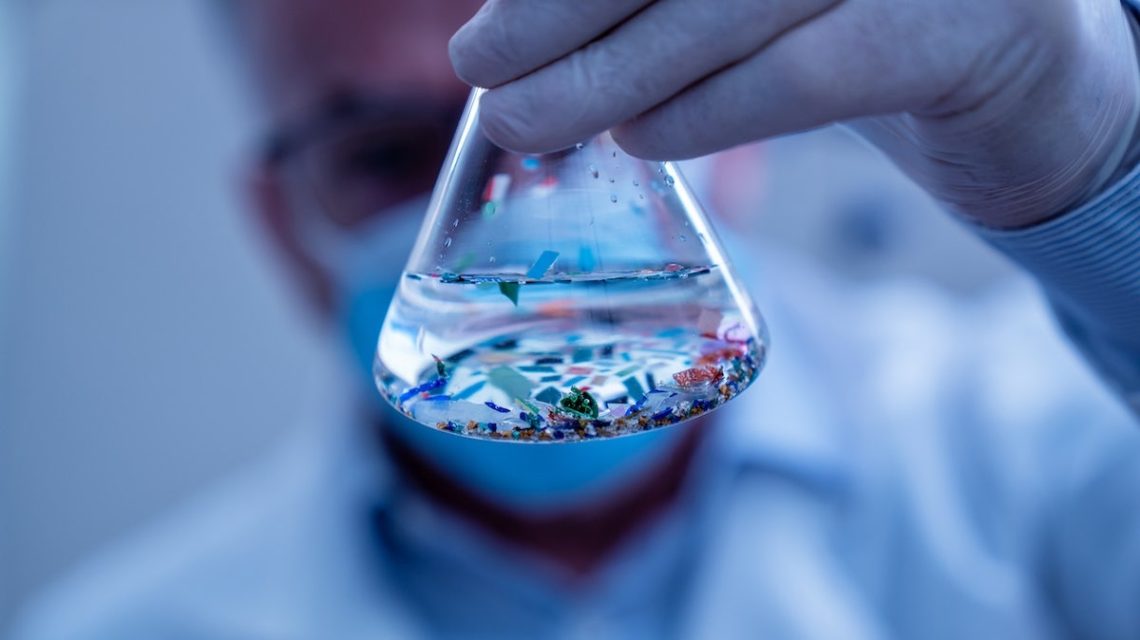
Patients with severe heart attacks may have higher levels of micro- and nanoplastics in their blood compared to those with stable heart conditions. Research suggests a significant presence of plastics in the blood of patients suffering major heart issues.
Research Findings
Italian researchers studied blood samples from the coronary arteries of 61 patients undergoing angiograms. They discovered that about 84% of patients experiencing severe heart attacks had detectable micro- and nanoplastics in their blood. This is in contrast to 40% of patients with chronic heart disease and 32% with non-problematic coronary arteries.
Dr. Raffaele Marfella from the University of Campania Luigi Vanvitelli in Naples led this study, published in the European Heart Journal. Polyethylene, a material in plastic bags and bottles, was identified in 97% of patients who tested positive for microplastics.
Expert Insights
Michelle Routhenstein, a dietitian specializing in preventive cardiology, commented on the study’s implications. She emphasized that while the findings are significant, they should be viewed alongside other environmental health concerns.
“These findings are important for highlighting environmental factors contributing to inflammation and blood vessel injury, though they don’t prove plastics cause heart attacks,” Routhenstein noted.
Previous studies have also found microplastics in arterial plaque, supporting these findings. The research identified smoking history as the strongest predictor of plastic particles in the blood.
Study Limitations
The observational nature of the study means it shows association, not causation. The relatively small sample size from a single country limits its applicability to the broader population.
Practical Tips
Routhenstein shared ways to reduce microplastic exposure:
- Use glass or ceramic containers for reheating or microwaving food.
- Avoid plastic water bottles and single-use plastics, especially when heated.
- Replace plastic storage containers with glass alternatives.
These adjustments can be part of a broader heart-healthy lifestyle.
Khloe Quill is a lifestyle writer for Fox News Digital, covering topics such as food, travel, and health.
 Increased Funding Needed for Psychiatric Hospitals
  Trump Administration Distributes ACA Refund Checks
  Higher Consumption of Ultra-Processed Foods Linked to Increased Health Risks
  Understanding Inflammation: Myths and Facts
  Climate-Resistant Rock Glaciers: Hidden Water Resources
  California Voters to Decide on $7.5 Billion State Research Fund