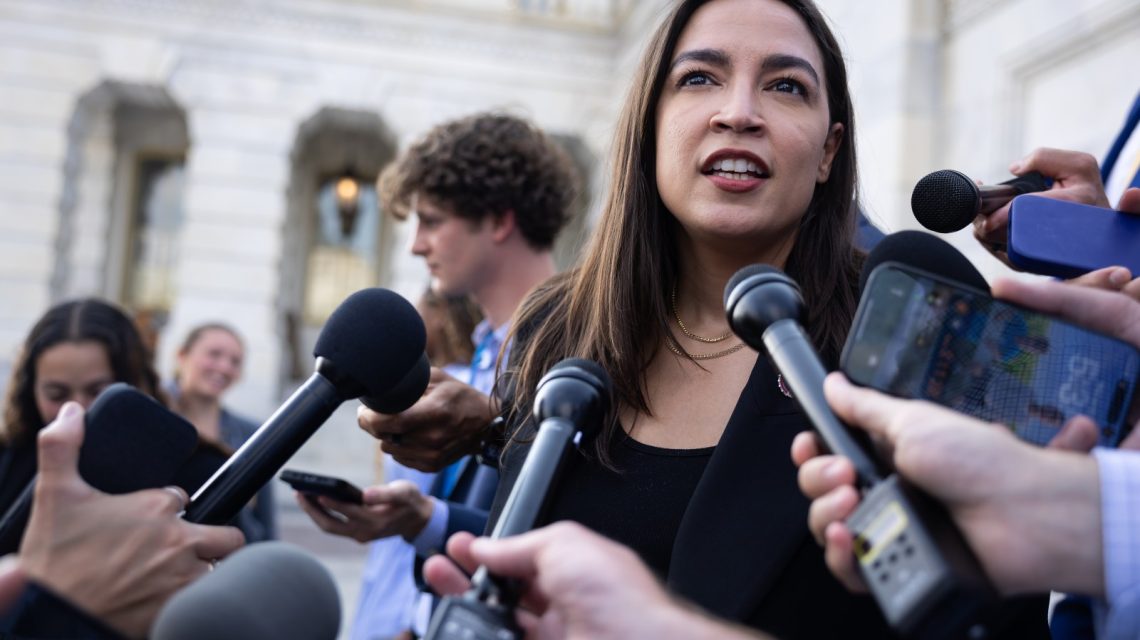
DNC Decision Fuels Debate on Party Dynamics
The Democratic National Committee (DNC) is stirring debate by making South Carolina the first presidential primary state for 2028. This move, approved by the DNC’s Rules and Bylaws Committee, awaits final approval from the full DNC in August. South Carolina retains its position after being elevated for the 2024 election.
Critics argue South Carolina’s Democratic electorate, heavily influenced by Black voters who support establishment candidates, might challenge progressive socialists like Representative Alexandria Ocasio-Cortez. However, a crowded primary field could split moderate votes, creating opportunities for insurgent candidates.
Significance of Being the First Primary State
The first presidential primary is crucial in shaping the nomination contest. Achieving a strong finish can increase media coverage, enhance fundraising, and persuade undecided voters. Conversely, a poor performance can lead to dwindling financial support and campaign suspensions.
The absence of an incumbent Democratic president in 2028 amplifies the primary’s importance as candidates vie for momentum in an open race.
Why Choose South Carolina?
South Carolina was moved to the front of the presidential calendar for 2024 following President Joe Biden’s input. He advocated starting the nominating process in a state reflecting the party’s diverse coalition. Proponents argue South Carolina empowers Black voters—key to Democratic victories—with a prominent voice in selecting the nominee.
Supporters claim South Carolina exemplifies the coalition Democrats need to succeed nationally, while Nevada emphasized racial diversity and battleground-state status.
Impact on Progressive Candidates
Conservative voices, like Meghan McCain, suggest the shift complicates the path for democratic socialists and AOC’s potential presidential aspirations. Political expert Craig Agranoff highlights South Carolina’s Black electorate prioritizing electability over ideology, posing challenges for progressive candidates.
The calendar change also sparks speculation about Ocasio-Cortez possibly pursuing a Senate campaign instead of the presidency. A Democratic strategist noted the new calendar might lean AOC towards a Senate run, considering her age and future opportunities.
Potential Advantages for Progressive Candidates
Counterarguments suggest South Carolina’s status might benefit progressives. Political scientist Grant Reeher states that energized primary voters, often more ideologically extreme, could favor progressive candidates.
A large field could enable the most progressive candidate to emerge with a plurality of votes. Outsiders with unique political brands, like Pete Buttigieg, might gain traction amid crowded competition.
The field’s size influences early momentum. Multiple candidates vying for similar support can fracture votes, creating openings for progressive figures.
New Hampshire’s Primary Position
New Hampshire’s state law ensures it remains the first presidential primary. This creates tension with DNC’s reshaped calendar. The state’s requirement to hold its primary ahead of others complicates compliance with DNC changes.
New Hampshire resisted changes for 2024, holding its primary before the official calendar, which the DNC did not initially recognize. This dispute may persist into 2028 if lawmakers don’t amend state law.
If South Carolina becomes the official first contest, New Hampshire’s early date might maintain its historic status but lose official recognition.
Potential Democratic Candidates for 2028
Few figures have openly expressed presidential ambitions, yet discussions about potential candidates continue. Alexandria Ocasio-Cortez represents a prominent democratic socialist candidate with national recognition, particularly among young voters and progressives.
Bernie Sanders remains influential in progressive politics, though age might prevent another run. A potential Sanders absence could increase focus on younger progressives like Ocasio-Cortez.
Other democratic socialists like Rashida Tlaib and Greg Casar have emerged as progressive voices, but neither indicated presidential aspirations.
The broader Democratic progressive wing includes center-left candidates like Buttigieg and governors Pritzker, Newsom, and Moore. A crowded 2028 field might offer chances for progressive candidates to gain traction by splitting establishment support.
 The Trump Team’s Challenge to the Military Leadership
  Maryland First State to Restrict Electronic Pricing in Grocery Stores
  Activists Push for Nationwide Ban on Child Marriage in the U.S.
  Democratic Hopes and Historical Warnings in 2026 Senate Race
  Republicans Face Challenges Amidst Cost of Living Concerns
  A Different Kind of Fall for Congress This Year