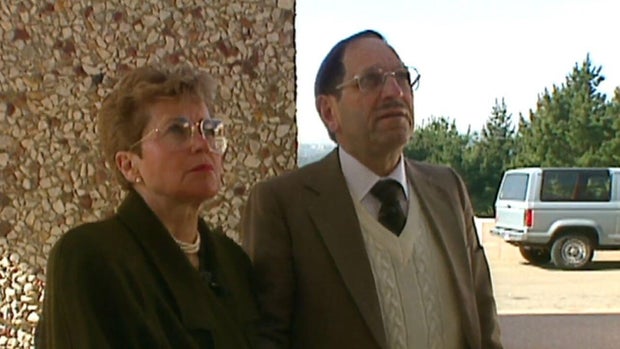
The events that unfolded at the University of the Pacific in September 1979 changed the lives of the Salarno family forever. Catina Salarno, a freshman, was found unconscious and seriously injured. The heart-wrenching news reached her parents, Harriet and Mike Salarno, at their San Francisco home. Their daughter had been shot and was in the emergency room.
The tragedy intensified for Harriet and Mike when they received the devastating call informing them that Catina had passed away. Their lives were shattered, and the sorrow was unimaginable. Nina, Catina’s younger sister, recalls the pain in her family and describes her father’s shaken demeanor. Regina, another sister, reflects on how life came to a halt.
The Salarno family first spoke publicly in 1990, revealing how they regularly visited Catina’s resting place, seeking solace in their daughter’s memory. Mike expressed that talking to Catina at her grave brought him some peace of mind. At that time, their journey to keep Catina’s killer, Steven Burns, incarcerated had only just begun.
A Family’s Journey for Justice
Mike and Harriet never envisaged facing such a grueling battle. When asked if they had a perfect life before the tragedy, Harriet affirmed their contentedness with their close-knit family life. Both parents were juvenile commissioners in San Francisco, dedicated to mentoring youth. The family cherished their faith, community, and summers at their cabin in the mountains. Regina describes Catina as the heart and soul of the family, caring deeply for her sisters.
The Boy Across the Street
As Catina grew up, she befriended the Burns family, who moved across the street. A young romance developed between Catina and Steven Burns. Regina saw him as the big brother she never had, while Nina admired him for his athletic prowess and mentorship. The Salarnos trusted him, as did Mike, who even offered Burns a job.
However, as Catina prepared to attend the University of the Pacific, she wanted to end the relationship. Burns resisted, making threats. Regina remembers Catina stating that Burns had threatened her, but at that time, neither Regina nor Nina imagined he would carry it out.
The Unthinkable Act
On the day Catina arrived at the university, she thought she had left Burns behind. When he unexpectedly appeared at the campus, her fears mounted. Despite promising to leave her alone, Burns continued to stalk Catina. His creepy behavior foreshadowed his sinister intentions.
Kevin Arlin, a student, found Catina lying on the sidewalk in a pool of blood. She had been shot in the head. Burns, meanwhile, returned to his dorm as if nothing had happened. Despite being questioned by police, without the murder weapon, they lacked enough evidence to hold him initially.
Harriet openly expressed her suspicion, firmly believing Burns was behind the murder. Soon, police arrested him based on his previous threats and family accounts.
Murder, Betrayal, and Regret
Learning to live without Catina inflicted profound guilt upon her family. Mike struggled with the belief that he had failed her. Regina and Nina regretted not speaking up about Burns’ threats earlier.
The Salarnos were further traumatized during Burns’ trial. Even as a minor, Nina was required to testify alone. The prosecution argued that Burns intended to kill Catina from the outset unless she relented. Despite this, he was not convicted of premeditated murder, instead receiving a sentence of 17 years to life.
The Parole Nightmare Begins
Ten years after his sentencing, Burns came up for parole, prompting outrage from the Salarnos. They resolved to fight for Catina and attended numerous parole hearings throughout the years, advocating for victims’ rights and lobbying to keep Burns incarcerated.
The Salarnos Fight On
The Salarnos’ commitment to seeking justice extended beyond the courtroom. Mike and Harriet dedicated their lives to advocacy, with Harriet founding Crime Victims United. Their relentless efforts led to reforms in victim rights legislation.
The family faced their 13th parole hearing in January 2025, bolstered by countless associates and their unwavering resolve. Burns’ past behavior supported their claim that he remained a threat to society. During the hearing, Burns again minimized his actions with unconvincing explanations.
The parole board ultimately denied his release, citing unchanged behavioral patterns. The Salarnos, though momentarily relieved, vowed to continue their fight to honor Catina’s memory.
As Burns’ parole hearings are set to recur, the Salarnos remain vigilant, unwilling to let the tragedy define their end but rather their enduring legacy to seek justice for Catina and protect potential future victims.