Russia’s Partial Mobilization and Continued Draft Threat
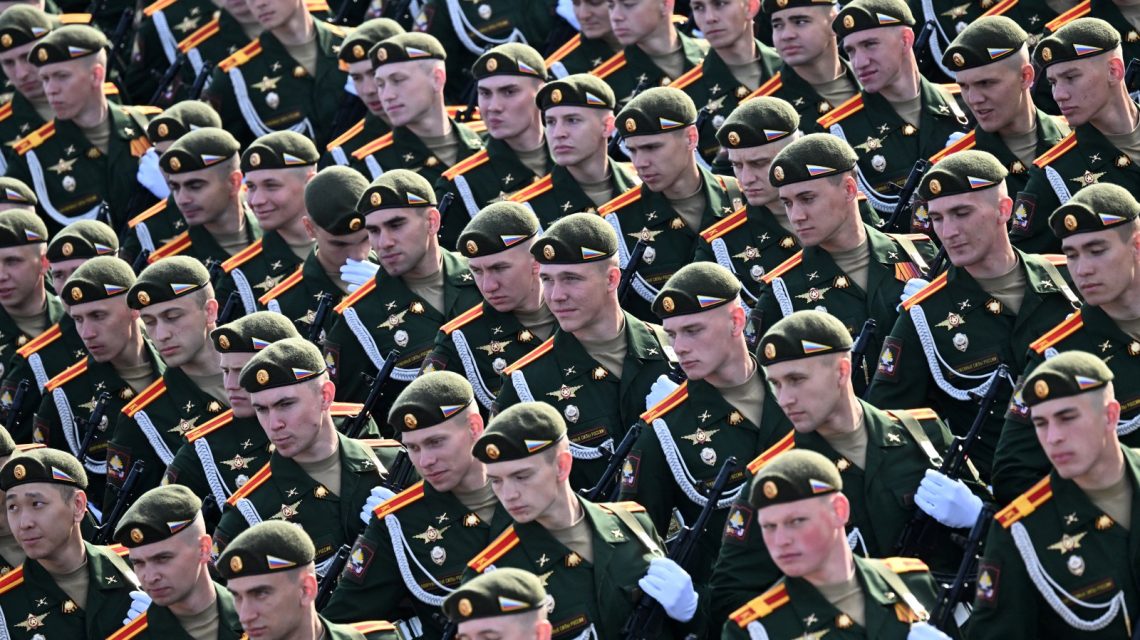
Vladimir Putin announced a partial mobilization for the Ukraine invasion in September 2022. Despite being managed discreetly to avoid panic, this mobilization has not been revoked. Reports indicate a new draft of up to 500,000 troops could alter the battlefield dynamics as the conflict continues.
The Kremlin is exploring strategies to enlist troops, such as martial law to prevent unrest and increased restrictions on the population. The Russian opposition news outlet Verstka reported these details, citing unnamed Moscow officials.
Ukraine’s Response and Strategic Concerns
Ukrainian President Volodymyr Zelensky has warned that between 300,000 and 500,000 troops could be drafted after Russia’s parliamentary elections in September. He sees this as a sign that Putin intends to persist in the war.
“Further mobilization might help Russia prolong the war but probably won’t fundamentally alter its outcome,” said John Hardie, Deputy Director of the Russia Program at the Foundation for Defense of Democracies (FDD).
A large draft, as cautioned by Zelensky, poses a strategic risk for Ukraine and its allies. Yuriy Boyechko, CEO of Hope for Ukraine, stressed the significance of sheer numbers, allowing Russia to sustain a protracted attritional war and fortify defensive positions.
Kremlin’s Steps Toward Military Mobilization
Russia’s parliamentary elections from September 18-20 are set to favor the United Russia party, providing Putin with a mandate for societal militarization. There are rumors of a new draft post-election to replenish casualties, reportedly as high as 225,500. This includes 131,000 killed, according to Zelensky.
If Putin moves to mobilize again, Hardie speculates it suggests acknowledgment of the war’s unfavorable trajectory. Doubling down rather than moderating demands would carry costs and risks. This scenario could trigger an exodus and domestic unrest due to the war’s unpopularity.
The Kremlin aims to avoid past chaos, such as queues to flee the draft by crossing into neighboring countries. Policies making the next call-up easier include Putin’s law from November 2025, changing military conscription to a year-round cycle. The digitized mobilization system allows comprehensive monitoring and oversight.
Challenges to Russia’s Force Quality
Beyond filling undermanned units, Russia might struggle to supply equipment and officers for additional units. The force quality has seen a decline since 2022 due to casualties expanding the force size, limiting Russia’s operational scale. Hardie noted manpower is less of an issue than force quality.
Russia’s efforts might continue in Donetsk Oblast, yet breaking Ukraine’s defense or imposing severe settlements seems unlikely.
Ukraine’s Counter and Russia’s Internal Challenges
Defense analyst Giorgi Revishvili stated that new formations require mobilization. The Russian General Staff sees it as essential for creating a significant strike force. Mobilization scales and personnel training integration will challenge Ukraine.
Russia’s economic state, casualties, and Ukraine’s strikes add pressure on any draft attempt. Challenges in training, equipping, and commanding large drafts lead to high casualties without operational breakthroughs.
Russia has denied mobilization rumors, with Medvedev labeling them “a lie.” The Institute for the Study of War describes the draft as contingent on Putin’s perception of the battlefield.
Activist Mikhail Khodorkovsky commented recruits face little training, serving as shields for professional units amid Ukraine’s drone production. A new draft would enforce stricter exit controls, aiming to keep skilled personnel within Russia.
Faced with mass conscription, Russians must choose compliance, flight, or refusal. The regime struggles with the physical capacity to imprison draft refusers.
Boyechko noted that while mass conscription doesn’t ensure decisive gains for Russia, it forces Ukraine to expend vast resources and depend on Western artillery and technology.
 British Police Arrest Man Suspected of Terror Plot
  Activists Push for Nationwide Ban on Child Marriage in the U.S.
  Investigation into Alleged Incident at Cornell University
  Rising Drone Threats Highlight Vulnerabilities in Moldova’s Airspace Defense
  Bolivia Faces Security Test Amid Unrest
  Incident on FlyDubai Flight Raises Security Concerns