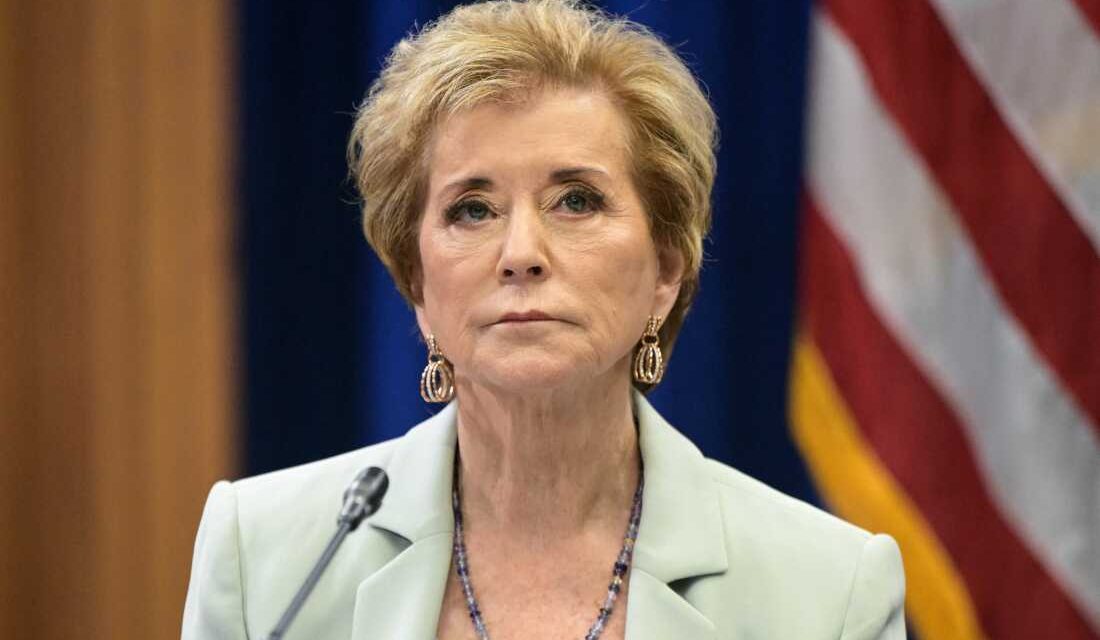
The long-running class-action lawsuit aimed at relieving almost half a million federal student loan borrowers has witnessed changes in administration and leadership. Originally called Sweet v. DeVos in 2019 under the Trump administration, the lawsuit transformed to Sweet v. Cardona during Biden’s presidency. It currently stands as Sweet v. McMahon, under Education Secretary Linda McMahon.
This lawsuit focuses on the borrower defense rule. The rule allows students to appeal to the U.S. Education Department for debt cancellation if colleges deceive them about job prospects, credit transfers, or potential earnings after graduation. Thousands of borrowers stated they were victims of deceitful colleges and waited years for claim reviews under Education Secretary Betsy DeVos. They argue the department suspended processing claims illegally.
After several years, three education secretaries, and a promised resolution under Betsy DeVos, the class-action lawsuit was rebranded across administrations. Eileen Connor of the Project on Predatory Student Lending highlights that the settlement will impact over 450,000 individuals, improving their finances by $23 billion. Once concluded, this settlement is expected to be the largest against the U.S. government.
Settlement Delay Cause
The Biden administration agreed to provide full and automatic loan forgiveness to students from over 150 for-profit colleges. It also allowed many others to apply for relief. Payment reviews were delayed, and the second Trump administration revealed it managed only 60,000 applications by the agreed deadline. The Ninth Circuit Court of Appeals ruled the terms set forth should have been acted upon sooner.
Ellen Keast, from the Education Department, called the settlement deadline unrealistic, stating the department’s compliance in good faith. Despite pleas for more processing time, the court insisted on moving forward.
The Emotional Impact
Jessica Feindt, a borrower buried under student loans, represents those awaiting resolution. As a first-generation college student, she pursued psychology at the University of Phoenix, amassing debt. Misled about her degree’s value by recruiters, her academic dreams were hindered. After several years of costly waiting, she joined the post-settlement group in 2022.
The Education Department reported approximately $12 billion in refunds and discharges to nearly 300,000 borrowers by April. With the new ruling, more relief is forthcoming. Eileen Connor compares this lawsuit to historical Big Tobacco litigation, referring to toxic financial products.
Recently, Feindt’s federal student loans were wiped out, yet her experience leaves a mark. She expressed mixed feelings of relief and anger over the past hardships her family endured due to these loans.
 Troy Swanson: Award-Winning Librarian Transforming Academic Libraries
  Cornell University to Investigate Handling of Alleged Assault Case
  Legal Challenge Against School Funding Inequalities in West Virginia
  Potential Changes Loom for School Voucher Programs
  Regents Exam Elimination Raises Concerns Over Student and School Accountability
  Education Funding Disparities in West Virginia