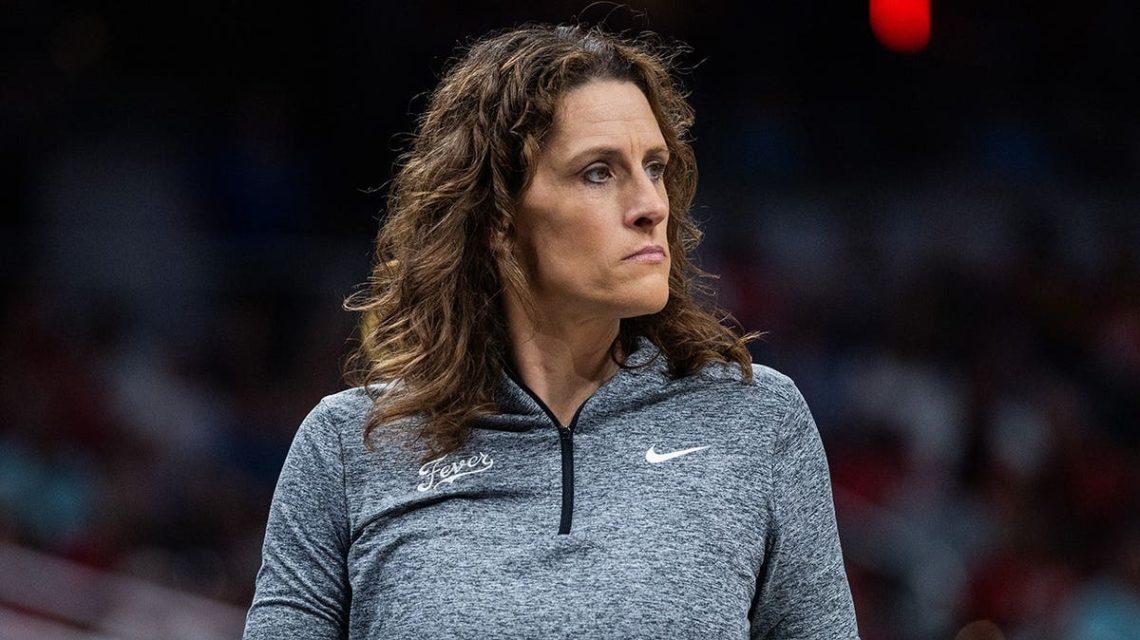
Before the Indiana Fever clinched their fifth consecutive win, notable performances were seen as Caitlin Clark achieved her fourth career triple-double and Sophie Cunningham excelled in three-point shooting. Despite these achievements, comments by Indiana Fever head coach Stephanie White drew significant attention. Pre-game, she mentioned her lack of “scientific knowledge” regarding the participation of males in women’s sports. This topic remains controversial, and the following outlines key aspects research has established.
Extensive studies in biology and sports science highlight physical advantages typically developed by males post-puberty. These differences persist even if someone identifies as a female. The biological distinctions include:
- Males tend to develop more lean muscle mass relative to females.
- Men often exhibit 30%-40% greater upper-body strength.
- Testosterone levels in males are significantly higher post-puberty, fostering enhanced muscle growth, power, and strength.
- Higher bone density, broader shoulders, and longer reach are generally observed in males.
- A greater proportion of fast-twitch muscle fibers in males aids explosive speed and power.
- Larger hearts and lungs in males support increased aerobic capacity.
- Hemoglobin concentrations are approximately 10%-12% higher in males, aiding oxygen delivery during physical exertion.
- Males typically have a 15%-20% higher VO₂ max, enhancing endurance.
- Stronger tendons and ligaments in males enable them to generate and endure substantial force.
- Larger skeletal frameworks in males often result in improved leverage and force in sports.
- Greater muscle mass and anaerobic power contribute to quicker recovery during repeated intense activities.
These biological variances justify the categorization of men’s and women’s sports and validate measures like Title IX. Across most athletic metrics, from speed to strength, elite male performances generally exceed those of elite females. The issue here is fairness and safety, not the effort, dedication, or talent of female athletes, who deserve to compete on a level field against peers.
Coach White reportedly stated her knowledge of science was lacking, although now she has been supplied with substantial information. This ongoing conversation emphasizes the importance of biology, physiology, and fair competition. The assertion that integrating men in women’s sports compromises safety and fairness is not rooted in transphobia but rather in supporting women’s athletics.
Scientific evidence on this issue has long been established, and it is critical for the WNBA to focus on these findings. For the league to continue prospering, players and coaches must unite in advocacy for competitive fairness. Joining forces, as suggested with player Sophie Cunningham, could promote sensible debate on the issue.
 Nick Saban’s Comments on ESPN Spark Debate Over College Sports Regulations
  Freddy’s American Adventure: From Soccer to College Football
  Brock Purdy’s Impressive Start in the 2026 NFL Season
  The Value of Retaining Miles McBride for the Knicks
  Penguins Make History with Dominant Season Opener
  Sonny Gray Expresses Frustration After Game Against Yankees