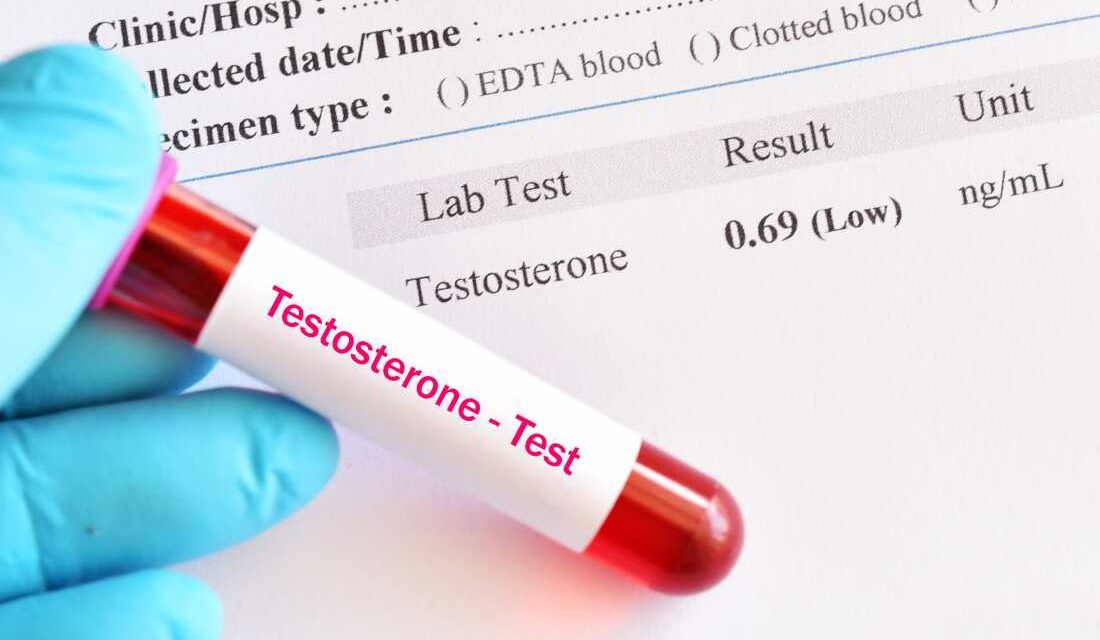
The military has plans to begin screening service members for low testosterone. This move coincides with numerous discussions on social media regarding testosterone therapy. Influential figures, including podcaster Joe Rogan and Health Secretary Robert F. Kennedy Jr., have publicized their use of testosterone therapy, fueling a surge in interest.
Dr. Jamin Brahmbhatt, a urologist at Orlando Health in Florida, often encounters men obsessing over testosterone levels without proper medical consultation. He emphasizes that not everyone requires treatment. The availability of online clinics offering prescriptions without adequate testing poses safety concerns.
Understanding Low Testosterone
Testosterone is a crucial hormone that affects various physiological functions beyond reproduction. It influences metabolism, bone health, muscle mass, and cognitive function. Symptoms of low testosterone, or hypogonadism, include depressed mood, fatigue, reduced libido, weight gain, and difficulty concentrating. These symptoms can overlap with other health issues, complicating diagnosis and treatment.
Dr. Helen Bernie, director of Sexual and Reproductive Medicine at Indiana University, notes that low testosterone isn’t just about hormone levels. It’s part of broader men’s health concerns. Underlying causes may include rare genetic disorders, pituitary gland issues, aging, obesity, diabetes, sleep apnea, and lifestyle factors like drug use and smoking.
Expanding Access to Therapy
Testosterone therapy has faced scrutiny due to its association with doping and steroids. However, there’s a shift in messaging toward its potential benefits for wellness, athletic performance, and cognitive focus. The Trump administration has indicated interest in expanding access by revising FDA criteria so men with low libido can qualify for treatment, even without a clear underlying condition.
Dr. Martin Miner, co-director of the Men’s Health Center at the Miriam Hospital, supports the changes, stressing that treatment should address symptoms, not just underlying causes. Yet, some experts remain cautious, highlighting the need for a better understanding of long-term risks and benefits.
Debates and Research
In the early 2000s, testosterone became one of the fastest-growing prescriptions in the U.S. Concerns about cardiovascular risks prompted the FDA to require safety studies. The recent TRAVERSE trial found no increased risk of heart attacks or strokes, though it raised concerns about fractures. Despite this, experts like Dr. Steven Nissen of the Cleveland Clinic acknowledge the study’s limitations.
Long-term safety is still under review, with differing opinions on the benefits of therapy. While some studies show improvements in libido and energy, the evidence for longevity or widespread performance enhancement remains limited.
Who Benefits From Testosterone Therapy?
The American Urological Association and the Endocrine Society recommend therapy only after confirming low testosterone through repeated tests. However, a study found some clinics prescribe therapy even when levels are normal, particularly in direct-to-consumer settings. This practice can lead to infertility, especially in younger men, by suppressing sperm production.
Lifestyle changes, such as exercise, may offer alternatives to therapy, although they can be challenging for older individuals with multiple health issues. For some, like George Bove, who started therapy at age 60, testosterone injections have significantly improved energy levels and quality of life.
 Increased Funding Needed for Psychiatric Hospitals
  Trump Administration Distributes ACA Refund Checks
  Higher Consumption of Ultra-Processed Foods Linked to Increased Health Risks
  Understanding Inflammation: Myths and Facts
  Calm Parenting: Strategies to Manage Stress
  Trump’s Executive Order to Combat Mosquitoes and Ticks in D.C.