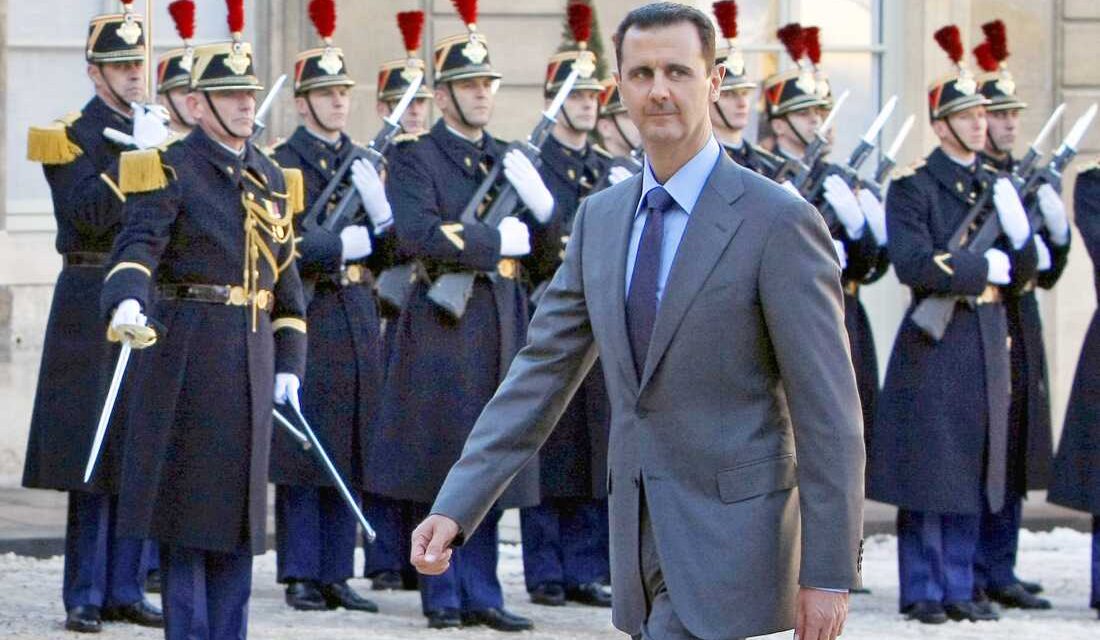
A Syrian court has sentenced former President Bashar al-Assad and his younger brother, Maher, to death in absentia. This decision comes as a punishment for crimes against humanity and war crimes committed during Syria’s 14-year conflict, which resulted in approximately 500,000 deaths.
The judgment, issued by the Fourth Criminal Court in Damascus, marks the first time charges have been levied against Assad or his close associates since the end of the Assad family’s five decades of power, which concluded 20 months ago. Judge Fakhareddine al-Aryan announced that Bashar Assad used state mechanisms to conduct war crimes, which was broadcasted live on state television.
In the same ruling, Assad’s maternal cousin, Atef Najib, received a death sentence. Najib, once the head of the Political Security Branch in the Daraa province, was convicted for his role in a crackdown that sparked the uprising and civil war. During the trial at the Palace of Justice in Damascus, Najib stood inside a prisoner’s cage, under tight security.
A crowd assembled outside the central Damascus courthouse to learn the verdict. Reports state that Bashar Assad and Maher fled to Russia post-government collapse in December 2024, where they received political asylum. The current Syrian leadership has requested their extradition from Russia.
Atef Najib, sanctioned by the U.S. Department of the Treasury in 2011, is one of the highest-ranking officials to face trial. Najib, a former brigadier general, led the Political Security Branch in Daraa in 2011, where dozens of teenagers were arrested and tortured for anti-government graffiti, sparking mass protests.
The Assad regime’s crackdown on protests escalated into a 14-year civil war, ending only with Assad’s removal during a rapid rebel offensive. Maher Assad, previously a commander of the 4th Armored Division, faced accusations by Syrian opposition activists of crimes including murder, torture, extortion, drug trafficking, and operating detention centers.
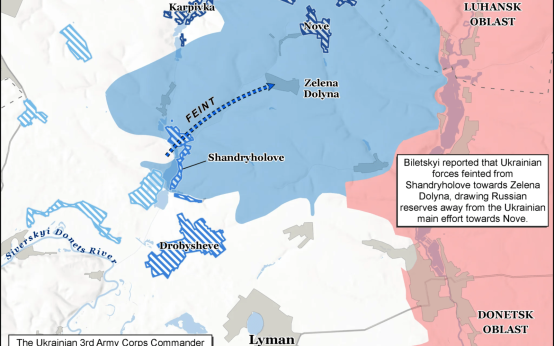 Ukraine Converts APCs to Explosive Devices in Donetsk Offensive
 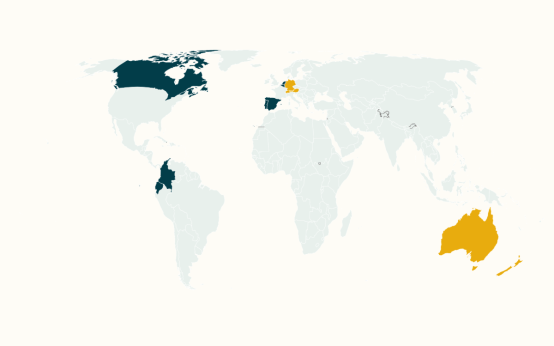 Dutch Review Board’s Euthanasia Ruling and International Debate
  Israeli PM Commends Heroic Actions in Flight Emergency
  Rabbi and Jewish Leaders Criticize Adam Brody for ‘Genocide’ Comment
  Flydubai’s Emergency Landing Highlights Cockpit Security
  Former Israeli PM Naftali Bennett Commends Passengers and Crew for In-Flight Heroism