The discussion around college football during the 2025-2026 offseason heavily centers on the strength of schedule. Conference bragging rights often hinge on this aspect, influencing perceptions about team strength and their postseason prospects.
The College Football Playoff selection committee includes strength of schedule and strength of resume metrics in its ranking evaluations. Naturally, the Big Ten and SEC are prominent in most 2026 lists of challenging schedules, with the Texas Longhorns facing a notably tough path.
Ohio State’s schedule is particularly taxing, with road games against Texas, USC, Iowa, Nebraska, and Indiana, and home games with Oregon and Michigan. This lineup is undeniably challenging, even for a team with one of the top rosters.
SEC Strength of Schedule Promotion Controversy
Social media recently spotlighted an ESPN personality for inaccurately promoting the SEC’s strength of schedule. The robust competition within the SEC and Big Ten means teams in these conferences often have demanding schedules. Conversely, other Power 4 conferences, like the ACC or Big 12, typically don’t reach similar levels of difficulty.
Big Ten and SEC schools frequently highlight their schedules’ intensity during playoff debates, emphasizing differing contexts for records, such as 9-3 in the SEC compared to the Big 12.
Texas Tech’s Challenge in Strength of Schedule
Texas Tech Red Raiders claim justification for a less demanding schedule. They argue top programs, such as USC and Texas A&M, have been reluctant to schedule them, impacting their ability to demonstrate schedule strength.
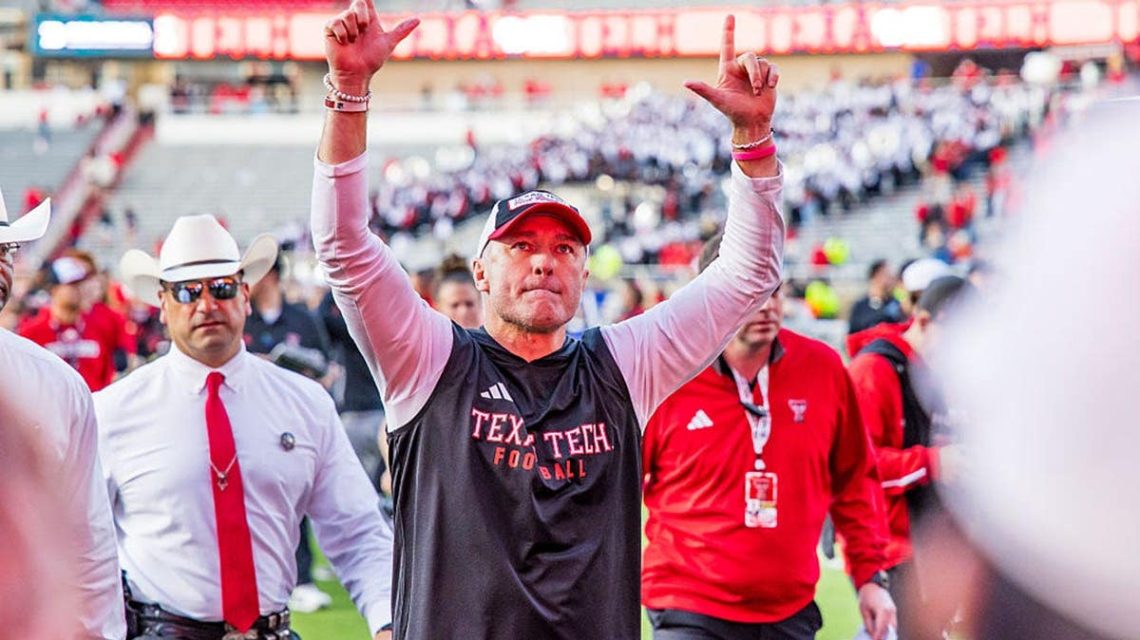
Head Coach Joey McGuire explained efforts to secure top-tier opponents for future non-conference games have met with consistent refusals, despite attempts to schedule teams like NC State and others.
“We’re talking to everybody and anybody. So far, everybody’s told us no,” McGuire said.
Legitimate concerns exist over Texas Tech’s handling of the Brandon Sorsby situation, potentially influencing other teams to avoid scheduling them. However, criticism arises regarding how other schools and conferences address the all-important strength of schedule metric.
Tech can’t influence the quality of other Big 12 teams but seeks tougher schedules by proposing matches with traditional powerhouses. If these teams won’t schedule Texas Tech, questioning their criticisms arises.
Investments in improving Texas Tech’s program aim to build them into playoff contenders that can compete against the most competitive teams. Rather than avoiding challenges, teams might consider facing Tech to allow them to demonstrate their progress.
The ongoing debate reveals underlying tensions and differing perspectives on strength of schedule across college football conferences.
 Nick Saban’s Comments on ESPN Spark Debate Over College Sports Regulations
  Freddy’s American Adventure: From Soccer to College Football
  Brock Purdy’s Impressive Start in the 2026 NFL Season
  The Value of Retaining Miles McBride for the Knicks
  Penguins Make History with Dominant Season Opener
  Sonny Gray Expresses Frustration After Game Against Yankees