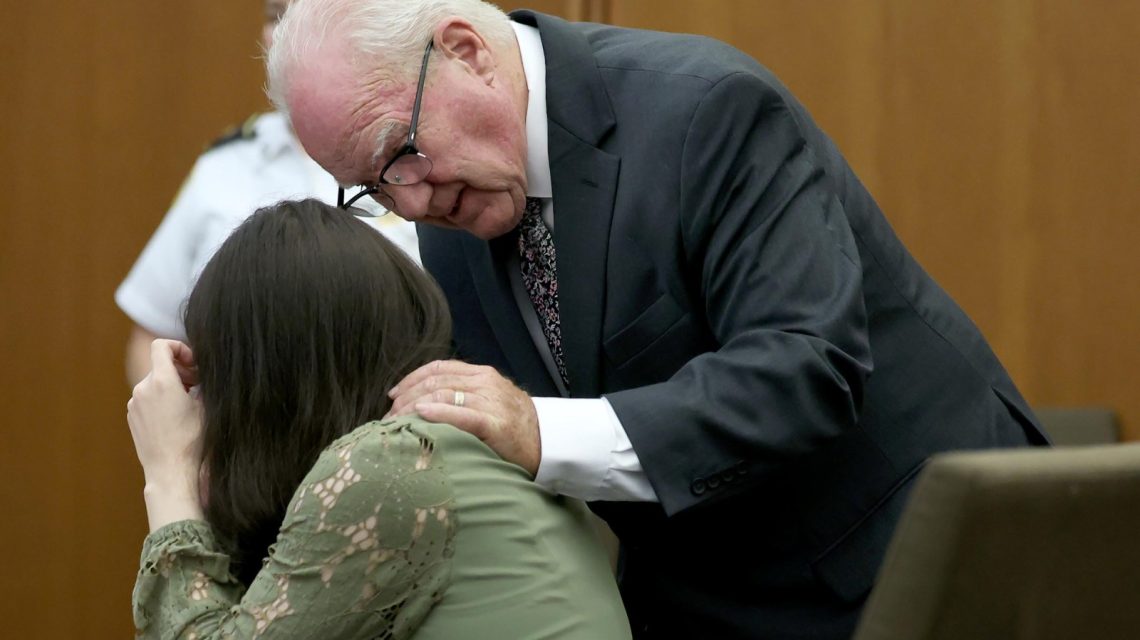
Lindsay Clancy became emotional in court on Wednesday as jurors listened to vivid accounts of the injuries her three children endured, causing multiple breaks in the session. The testimonies marked a shift in Clancy’s murder trial, which had previously focused on her mental health and claims of postpartum psychosis during the deaths of her children.
Clancy Breaks Down During Graphic Testimony
The most poignant moment came when medical examiner Dr. Renee Stonebridge recounted the findings from the children’s autopsies. Clancy cried during this testimony, prompting the judge to call a recess after she was heard sobbing. Following the break, Judge William Sullivan instructed jurors to remain impartial, basing their verdict solely on evidence, not emotions.
Despite these measures, Clancy’s emotional reaction persisted when Dr. Barbara Olsen testified about Cora’s injuries. Clancy was visibly distressed, declaring, “I can’t do it.” The court adjourned for the day at approximately 4 p.m.
Medical Examiner Details Children’s Injuries
Dr. Stonebridge provided details of her examinations, focusing on signs of strangulation. Cora and Dawson displayed hemorrhaging in their eyes, indicative of asphyxiation. Clancy, accused of strangling 5-year-old Cora, 3-year-old Dawson, and 8-month-old Callan in their home, has pled not guilty. Her defense centers on severe mental illness at the time of the incident.
Stonebridge highlighted Callan’s brain injury due to a lack of oxygen. She explained that brain cells start dying after six to eight minutes without oxygen, causing irreversible damage. The detailed testimonies give jurors insight into the physical outcomes of the killings, crucial for assessing Clancy’s legal responsibility.
Therapist Had Not Reviewed Another Provider’s Notes
Under questioning, Latiesha Dukes, a licensed mental health counselor, admitted not having reviewed notes from another provider, Rebecca Jollotta, before treating Clancy. This admission gained importance as Jollotta described symptoms suggesting severe distress, including insomnia and racing thoughts.
Dukes was unaware of Clancy’s visit to the emergency department or her rapid weight loss. The defense argues that these differing assessments failed to capture Clancy’s full mental state.
Trooper Acknowledges No Basis for ‘Voices’ Claim
Sergeant Dan Lawlor faced questions regarding theories about Clancy hearing voices, a key point for her defense’s psychosis claim. Lawlor clarified he hadn’t seen the conversation between Clancy and psychologist Paul Zeizel and that such claims originated from investigator speculation without an investigative basis.
Lawlor confirmed his lack of firsthand knowledge concerning discussions between Zeizel and Clancy in the hospital, weakening prosecution challenges to the defense claims.
Clancy Reported Suicidal Thoughts Without Specific Plan
Dukes also testified about Clancy’s suicidal thoughts in December 2022, indicating thoughts of death without a specific suicide plan. She recommended partial hospitalization but noted improvements in Clancy by December 19.
This testimony serves both sides—the defense highlights the ongoing suicidal thoughts, while prosecutors point to the lack of a plan and signs of improvement.
Trial Progress and Potential Outcomes
Testimonies have introduced strong emotions and detailed evidence, moving from Clancy’s mental health history to the children’s deaths. The defense seeks to prove her lack of criminal responsibility due to postpartum psychosis.
If found guilty of first-degree murder, Clancy risks life imprisonment without parole. Conversely, a not guilty verdict due to insanity would lead to commitment in a psychiatric facility. The trial continues with further examination of her mental state and other evidence.
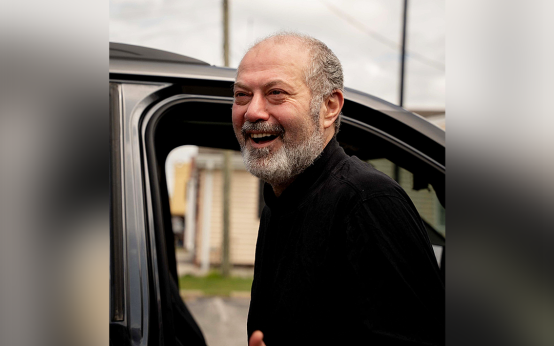 Immigration Judge Allows Deportation of Wisconsin Mosque Leader Salah Sarsour
 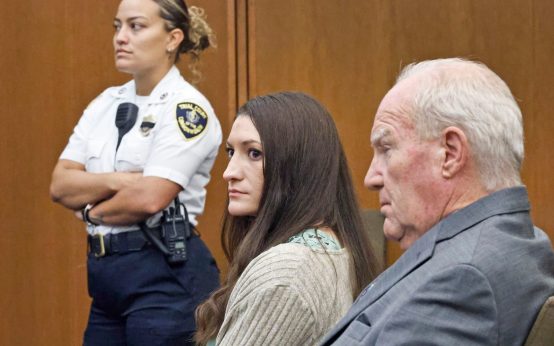 Lindsay Clancy Faces Potential Retrial After Mistrial
  Tennessee Prepares for Rare Execution of Woman on Death Row
  Mistrial in Lindsay Clancy Case: Juror Speaks Out
  Utah Judge Orders Release of Man on Death Row After DNA Evidence Emerges
  Kurt Olsen Resigns from the Justice Department Amid Investigation