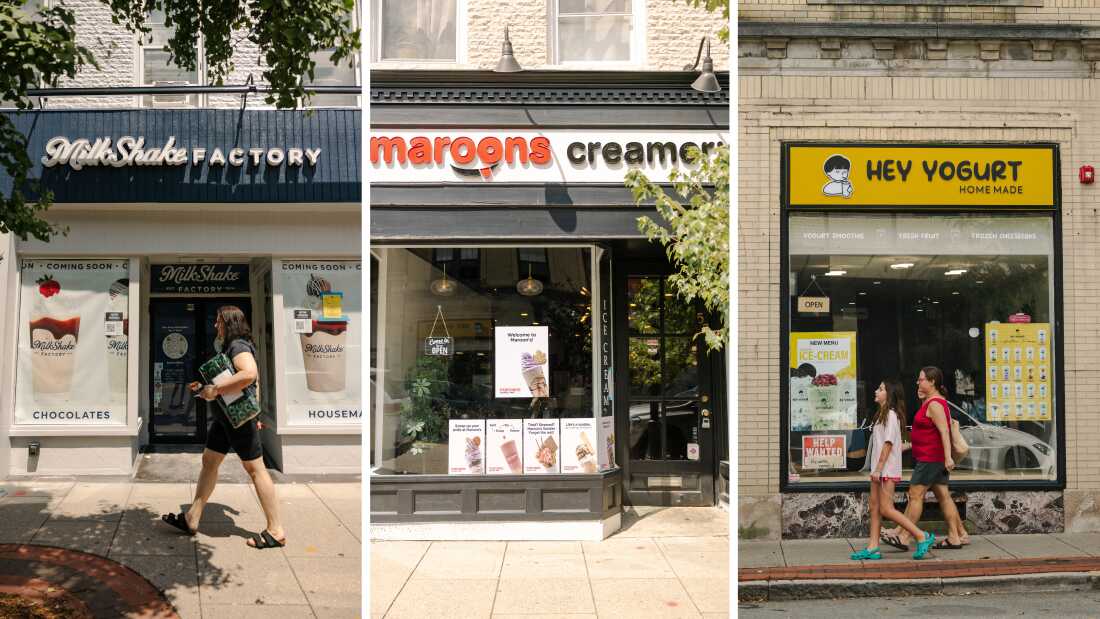
Stores selling desserts, such as MilkShake Factory, Maroons Creamery, and Hey Yogurt, are among many service-oriented shops now common in downtown Ridgewood, New Jersey. This region, historically known for its retail, is experiencing a notable transition. Change is evident along the postcard-like streets of East Ridgewood Avenue, which intersects with streets named Walnut, Chestnut, and Oak, and runs up to the train station, a link to New York City.
Joan Groome, a Ridgewood resident since 1968, recalls the town being synonymous with shopping. She opened a ski shop above a family-run store in the past, witnessing the infiltration of big-box chains, followed by banks. Many local retailers, like stationery stores and family-owned pharmacies, couldn’t survive.
Groome, now executive director of the Ridgewood Chamber of Commerce, observes a new shift replacing traditional retail with services like spas, gyms, and restaurants. Ice cream cafés and barbershops dominate the landscape. Nationally, a real estate data firm, CoStar, notes for the first time more U.S. retail spaces were leased to service providers than goods sellers last year. Changing consumer spending patterns and trends have significantly impacted shopping environments, including malls and local hubs.
In Ridgewood, like other areas, services and entertainment have flourished, with personal services now occupying a larger share of retail spaces. Escape rooms, virtual golfing, medical spas, and fitness studios are increasingly common. John Mercer from Coresight Research explains the long-term consumer shift from goods to services, hinting at a continuing trend interrupted only temporarily by pandemic lockdowns.
This trend caters predominantly to wealthier spenders. Studies, however, indicate some consumers opt for cheaper goods to allocate funds for experiences. Wellness, beauty, and fitness drive these changes, with online shopping contributing to these transformations. Groome notes: “You can’t stroll Amazon.”
Transforming spaces are evident as Groome’s former ski shop location becomes a sushi restaurant and her ex-bank now functions as an Italian-inspired establishment with a rooftop bar. Traditional retail persists with stores selling clothing, shoes, and home decor coexisting with over a hundred eateries, coffee shops, spas, and salons.
David Logan, managing Bookends, a local bookstore, observes improved business after a new bakery opened nearby. Customers often drift from eateries to the bookstore. The shop, dating back to the 1980s, offers activity books and Legos, attracting families.
Malls faced different dynamics, adding arcades and gyms to maintain regular foot traffic. In Ridgewood, a new eatery often replaces shops, reducing retail and concentrating more on service offerings.
Gina Jeon, operating a jewelry store, contemplates the changing landscape, questioning whether a shift to more eateries and services enhances or diminishes the town’s value. Her shop, Hot Jewelry Box, teems with crystals, gemstones, silver, and gold, offering a unique shopping experience by enabling customers to pick designs personally.
Both Jeon and customers like Kate Ulrich emphasize the tactile, personalized shopping experience absent in online platforms. The charm of browsing local stores and exploring unique products is valuable to many in Ridgewood. As Ulrich notes, strolling the streets cannot be replicated on Instagram.