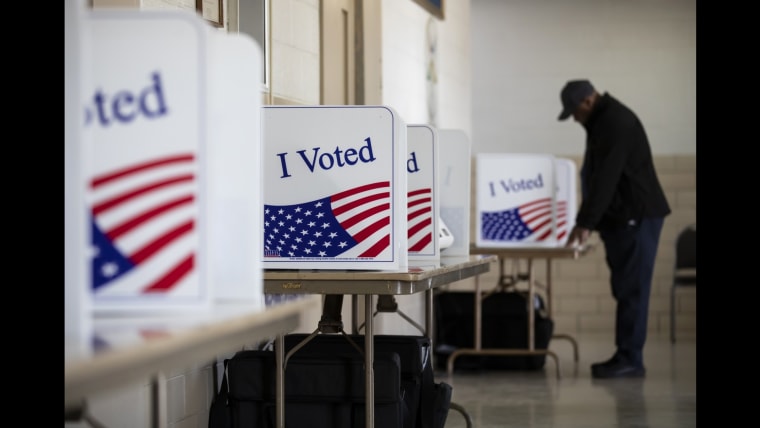
The Democratic National Committee (DNC) has finalized a new primary schedule for the 2028 presidential elections, prioritizing states with significant Black and Latino populations. Following discussions in Texas, South Carolina has been appointed to lead the six-state sequence of early contests. South Carolina, known for its large African American electorate, will kick off the series on January 22, 2028.
Nevada, characterized by a strong Latino presence and influential labor interests, is next, with its primary on February 1. Other states in the lineup include New Hampshire on February 8, New Mexico on February 15, Michigan on February 22, and Virginia on February 29. This shift aims to include a broader demographic range in selecting the party’s nominee.
The decision to move away from Iowa and New Hampshire’s traditional roles reflects challenges faced in the past. The 2020 Iowa caucuses experienced significant issues in vote tallying, causing delays. New Hampshire and Iowa leaders opposed the change, but the DNC is moving forward with its new lineup. The change also aligns with a vision to represent the diverse makeup of the Democratic Party more accurately.
“Our 2028 nominee, whoever they are, will have to earn the support across the full breadth of America,” remarked Ken Martin, Democratic National Committee Chair. “Every region, every demographic, every generation. No shortcuts. No coronation. You want to lead this party? Go earn it. Go and earn it.”
This statement came as the party continues to evaluate the 2024 succession when Kamala Harris replaced Joe Biden as the nominee. Biden stepped down due to declining support following a debate with Donald Trump marked by moments of silence and perceived incoherence.
South Carolina’s status as the first primary state was initially championed by Biden after the state bolstered his bid in 2020. He struggled in Iowa and New Hampshire but gained traction among Black voters in South Carolina. The DNC hopes the new schedule will address past reliance on predominantly white states.
Iowa Democratic Party Chair Rita Hart criticized the decision, pointing out that it removes the Midwestern state’s previous significance. She noted that the Republican Party plans to start their primaries in Iowa in 2028, potentially giving them an advantage in the general elections.
“They will spend hundreds of millions of dollars to promote their candidates, and they will bring tons of national media attention,” Hart stated, underlining the potential impact on Congress and key Senate seats.
 Maryland First State to Restrict Electronic Pricing in Grocery Stores
  Activists Push for Nationwide Ban on Child Marriage in the U.S.
  Democratic Hopes and Historical Warnings in 2026 Senate Race
  Republicans Face Challenges Amidst Cost of Living Concerns
  A Different Kind of Fall for Congress This Year
  Cornel West and Sean Hannity Discuss Differences on Podcast