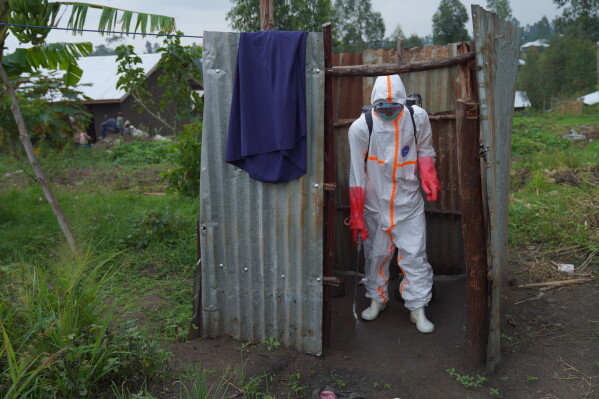
In recent findings, U.S. kindergarten vaccination rates have slightly decreased, while exemptions have risen to record levels. According to federal data released on Monday, 4.2% of children have exemptions, compared to 3.6% in the previous year. This translates to approximately 155,000 children nationwide during the 2025-2026 school year. This trend marks the fourth consecutive year that exemption rates have reached new highs, predominantly due to nonmedical reasons.
Increased Exemptions Across States
Exemptions have grown in 41 states and the District of Columbia. Experts, like Dr. James Campbell from the American Academy of Pediatrics, point to the uncertainty caused by changes in federal recommendations. U.S. Health Secretary Robert F. Kennedy Jr., known for his views against vaccinations, has influenced federal health policy under President Donald Trump’s administration. Over the past 18 months, efforts to alter childhood vaccination guidelines have been frequent. Earlier this month, Trump advocated for changes based on his theory to space out childhood vaccinations over separate medical visits.
Declining Vaccination Rates for Multiple Diseases
The CDC reports a decrease in vaccination rates for several diseases. Measles-mumps-rubella shots were received by 92.4% of kindergarteners in 2025-2026, slightly down from the previous year. This figure remains below the pre-COVID-19 pandemic rate of 95%, which helps prevent outbreaks. Other vaccinations, like those for polio and the combination shot against diphtheria, tetanus, and pertussis, also saw declines. The first dose of the chickenpox vaccine decreased as well, while hepatitis B vaccination rates stayed steady. However, any recent changes in infant hepatitis B recommendations may not appear in kindergarten rates for some time, explains Campbell.
Measles Concerns Continue
As the U.S. faces its worst year for measles since 1991, public health officials highlight that over a quarter of a million kindergarteners are at risk. These unvaccinated children are often concentrated in certain areas, contributing to varying intensities of measles outbreaks.
“Back-to-school season is an important reminder that protecting our children’s health is both a shared responsibility and a shared goal,” stated North Carolina Health and Human Services Secretary Dev Sangvai.
Vaccination efforts remain crucial as the school year begins, with officials urging parents to ensure their children’s protection.
Focus on School Vaccination Rates
Kindergarten vaccination rates have been critical due to schools’ roles in disease transmission. Previously, high rates were attributed to attendance mandates requiring key vaccinations. Despite these efforts, nonmedical exemptions have increased. While medical exemptions have remained around 0.2%, nonmedical exemptions continue to rise. In Idaho, 17.5% of children had vaccination exemptions, while fewer than 0.5% did in Connecticut.
For years, the CDC released vaccination data through its Morbidity and Mortality Weekly Report. However, under the Trump administration, data has been posted online with minimal commentary. The agency encourages parents to discuss vaccination options with healthcare providers.
Public health officials remain focused on encouraging vaccinations to prevent outbreaks and protect community health.
 Legal Battle and Medical Journey of a Baby with Heart Condition
  California Bill Targets Diaper Ingredient Transparency
  Poop-maxxing: The Revival of the Bristol Stool Chart
  Political Strategies and Medicare-for-All Debate
  Exploring the Off-Label Use of Tadalafil for Longevity
  Transgender Youth and Medicaid: Navigating New Challenges