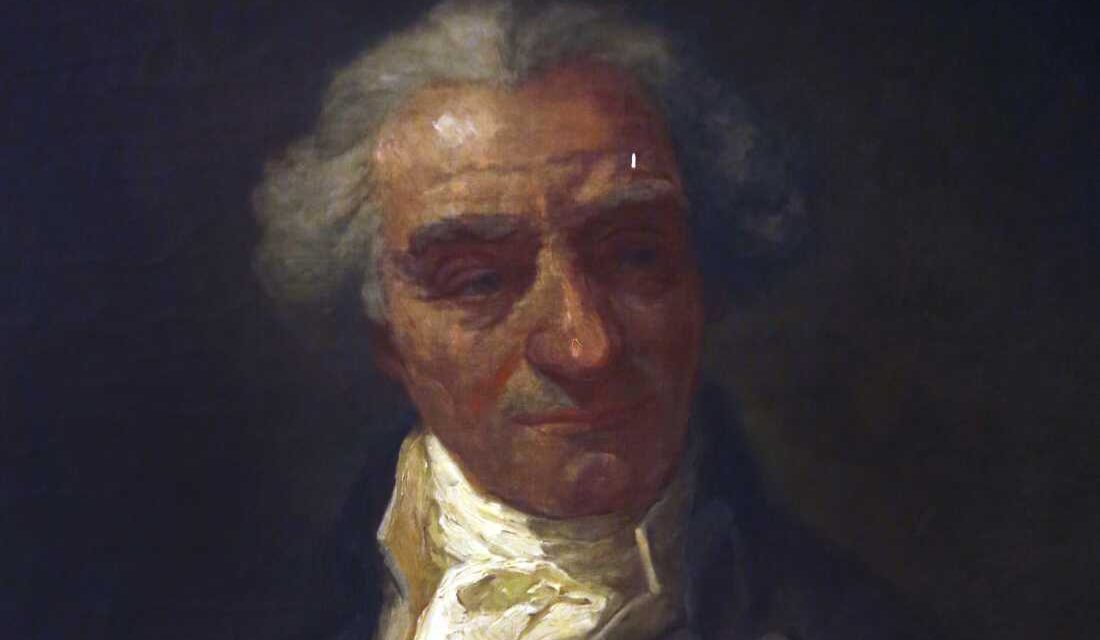
A portrait of Governor Elbridge Gerry hangs in the State House in Boston, reminding us of his role in shaping political language. In 1812, Gerry devised a redistricting plan that led to the term “gerrymander” as part of NPR’s series exploring word origins. While not as famous as Samuel Adams or John Hancock, Gerry was an early advocate for American independence.
As a Founding Father, Gerry voiced strong support for splitting from Great Britain. Interestingly, he was one of the few delegates who didn’t sign the U.S. Constitution, as it lacked a Bill of Rights at the time. His political career later saw him becoming the second vice president under James Madison. Unfortunately, he died in office within two years.
“Gerry was important, particularly in the early years during the Revolutionary War,” historian David O. Stewart notes. Stewart describes him as “fiery,” though physically small and a bit awkward.
Unlike his iconic peers, Gerry did not leave behind a widely recognized name. He may not have a beer named after him or a signature as iconic as John Hancock’s, but his legacy persists through “gerrymandering.” This practice involves altering voting district boundaries for political advantage and remains a contentious issue in the U.S.
The Birth of Gerrymandering
To understand “gerrymandering,” we revisit 1812. As governor of Massachusetts, Gerry approved a redistricting bill that reshaped a state senate district to benefit his party, the Democratic-Republicans. This resulted in a cartoon in a newspaper that depicted the district as a monstrous creature, leading to the coining of “Gerry-mander.”
“What’s curious to me about it is that it’s a word, but it comes out of a visual image,” says Doug Harper of etymonline.com.
This was not the first nor last instance of electoral manipulation. Today, creative district shapes like Pennsylvania’s “Goofy kicking Donald Duck” reflect public tendencies for pareidolia.
Eponymous Words
“Gerrymander” is an eponym, meaning a word named after a person. Other examples include “boycott” and “shrapnel.” Newer terms like “MacGyver,” referring to improvising with available materials, follow this pattern. As these words endure, their origins often fade from memory.
Despite Gerry’s contributions to America’s independence, it’s his involvement in state districting that immortalizes him. “None of us picks how we’re going to be remembered in the world if we’re going to be remembered at all,” historian Stewart reflects. Remembering is better than being forgotten.
 Challenges Faced by Democratic Candidates with Past Social Media Comments
  Notable Events in Chicago’s History on August 19
  Challenges in Accessing Childcare Assistance for U.S. Families
  Democrats Flip Long-Held Republican Seat in Pennsylvania Special Election
  Key Insights into 2026 Midterm Elections
  Alaska’s Nonpartisan Primary Advances Four Candidates in Senate Race