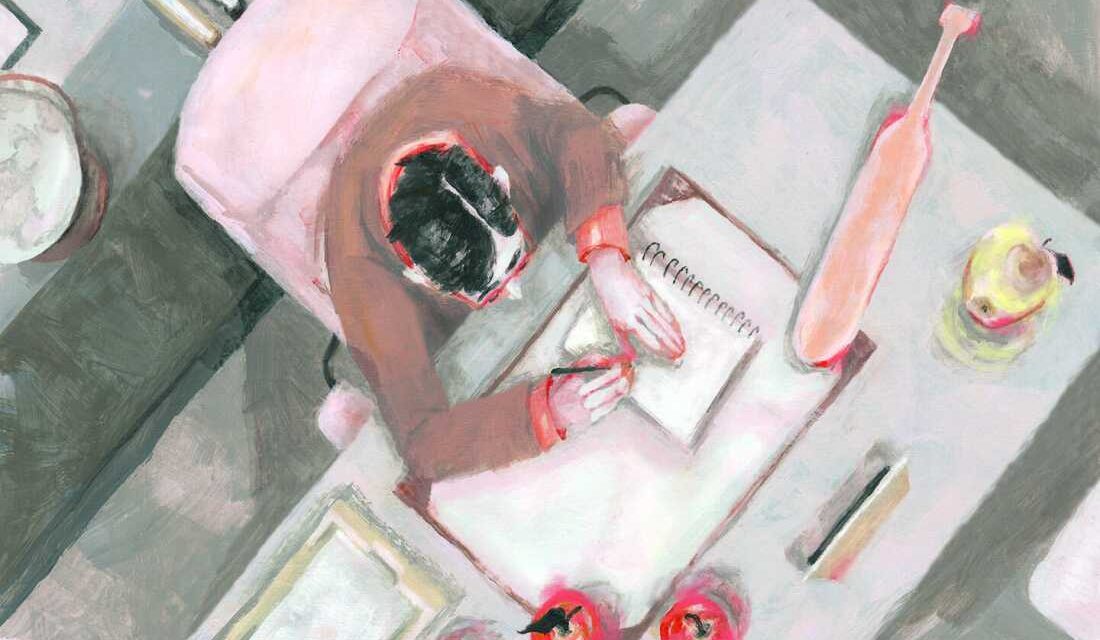
About eight years ago, Tessa Davis received a call from her son’s school in Little Rock, Arkansas. Her kindergarten son was accused of grabbing and twisting a girl’s jacket, potentially causing harm. Faced with his past misbehavior, the school offered two options: a three-day suspension or paddling by an administrator. Davis, unable to miss work, let her husband decide, and they chose paddling — a decision she regretted.
The American Academy of Child and Adolescent Psychiatry defines corporal punishment as any action meant to cause pain or discomfort in response to a child’s behavior, often involving paddling in schools. Many psychologists agree that corporal punishment is harmful, yet the U.S. lacks federal laws prohibiting it in public schools, leaving states and local districts to choose whether to permit the practice.
While less common today, corporal punishment still occurs. Data from the U.S. Department of Education’s Civil Rights Data Collection (CRDC) reported nearly 32,000 instances in the 2021-22 school year, roughly equating to one reported incident per 2,000 students.
According to NPR, Arkansas ranks second in the country for corporal punishment rates, only surpassed by Mississippi.
An analysis revealed that 15 states allow corporal punishment in schools, though local bans may exist, while 30 states and Washington, D.C. explicitly ban it. Most incidents occur in eight states, predominantly in the South.
Morgan Craven from the Intercultural Development Research Association argues for a national end to corporal punishment in schools. In some Southern communities, it is rooted in cultural or faith-based beliefs, making discussions on its cessation challenging. However, many in the South resist physical discipline and seek alternatives.
Tessa Davis, who grew up with corporal punishment, realized it never stopped her son’s behavior and often worsened it. After adopting her son, referred to as C for privacy, Davis witnessed his intense separation anxiety, starting his school days emotionally charged.
The couple changed their disciplinary approach post-paddling, eliminating corporal punishment both at home and school. Davis now advocates publicly against its use in schools, stressing accountability through safe means. Today, at 13, C enjoys dancing across various genres and takes responsibility for his actions without the threat of paddling.
CRDC data identifies patterns in corporal punishment usage, often disproportionately affecting boys and minority groups. Boys receive more corporal punishment than girls, and despite varying enrollment levels, white, Black, and Native American or Alaska Native boys experience it at high rates.
A study in Social Problems found correlations between regions with historical lynchings and higher occurrences of corporal punishment in schools. This trend notably impacts Black students.
The Negative Impacts of Corporal Punishment
The American Psychological Association states that corporal punishment can lower children’s self-esteem and foster chronic issues. Joan Durrant, a child psychologist, notes it often promotes dishonesty and models violence as conflict resolution. Despite diverse children responses, corporal punishment can harm relationships and cause anxiety, depression, and addiction. It’s linked to intimate partner violence risks later in life.
Randy Randleman, an Oklahoma psychologist, argues for corporal punishment’s efficacy, especially where legal. With experience across 150 schools, Randleman believes paddling can deter misbehavior. He advises against banning it, except for intellectual disabilities, pointing out that its removal might invite defiance. He views corporal punishment as a last resort for conscious misbehavior, suggesting alternative actions if ineffective.
Warner Public Schools, under Superintendent David Vinson, retains corporal punishment discretion. Located in rural Oklahoma, it rarely uses paddling but values its deterrent effect, avoiding suspensions. Principal Brian Hummingbird emphasizes paddling’s minimal use, while elementary principal Alan Gordon utilizes paddles named Peace and Harmony, following a structured process of repeat offenses and parental consent.
Ultimately, despite diverse opinions and evidence, proponents like Gordon advocate for parental rights and responsible discipline in schools, acknowledging ongoing debates over corporal punishment’s appropriateness and effectiveness.
 Student Activists Protest Cornell University’s Handling of Rape Allegations
  Screencaps: Insights into Sports, Pop Culture, and College Trends
  ProPublica’s Experiment in Opening Private Schools
  Evaluating the Real Value of a College Education
  Record Low Satisfaction with U.S. K-12 Education System
  Escalating Student Protests in France: A Call for Educational Reform