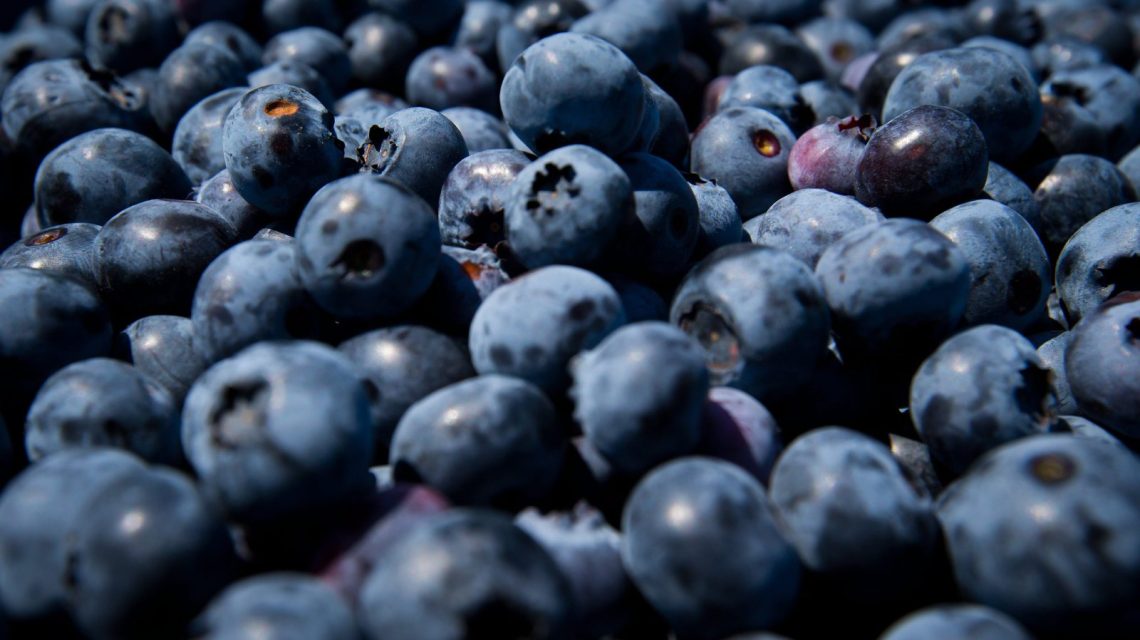
The U.S. Food and Drug Administration (FDA) has issued a Class I risk warning for several blueberry and mixed berry products recalled due to potential E. coli contamination. The warning, announced on Tuesday, applies to four GreenWise products sold at Publix supermarkets:
- Organic Whole Blueberries – 10 oz – UPC number: 41415-06453
- Organic Whole Blueberries – 48 oz – UPC number: 41415-12053
- Organic Whole Mixed Berries – 10 oz – UPC number: 41415-06753
- Organic Whole Mixed Berries – 48 oz – UPC number: 41415-12153
The Class I risk classification indicates a serious threat, where exposure to the product risks significant adverse health consequences or death, according to the FDA.
Publix initiated the recall of all product lots on July 29 after discovering potential contamination with E. coli O145. This strain can cause severe symptoms like stomach cramps, diarrhea, and vomiting. The products were distributed to Publix locations in Alabama, Florida, Georgia, Kentucky, North Carolina, South Carolina, Tennessee, and Virginia.
As of July 30, the FDA reported 12 illnesses in Florida and Georgia, with four hospitalizations, but no fatalities. The illnesses began between May 11 and June 5. The FDA’s investigation into the outbreak remains active.
Understanding E. Coli
Escherichia coli, commonly referred to as E. coli, includes many bacteria types usually present in human and animal intestines. While most strains benefit intestinal health, some can cause illness when food or water are contaminated.
The specific strain, E. coli O145, found in the recalled berries is known as a Shiga toxin-producing E. coli (STEC). These bacteria can release toxins that damage the intestinal lining and may lead to hemolytic uremic syndrome, causing potential kidney failure.
Pathogenic E. coli makes its way into the food supply through fecal contamination. It can be spread by wildlife, livestock, and humans. Contamination can occur via crops, undercooked meat, unpasteurized dairy, or inadequate hand hygiene. Vulnerable groups like children under 5, adults over 65, and those with weakened immune systems are at increased risk of severe illness.
Recall Amid Broader Foodborne Illness Concerns
This berry recall arises during a period of heightened focus on the global impact of foodborne diseases. A World Health Organization-backed study recently estimated that foodborne parasitic diseases led to about 171 million illnesses globally between 2000 and 2021.
The study linked 14 parasitic diseases to approximately 4.89 million disability-adjusted life years. These findings highlight the persistent impact of foodborne parasites despite a decrease in their global burden. While E. coli is a bacterium and unrelated to the study’s focus on parasites, both highlight the risks when pathogens enter the food supply. This underscores the importance of comprehensive surveillance, stringent sanitation, and swift outbreak investigations.
 Public Health Concerns After Death of Russian Researcher
  Keys to a Longer, Healthier Life According to Dr. Michael Hall
  U.S. Monitors Russian Plague Scare
  Guide to Choosing the Best Probiotic Powder for Gut Health
  2026 Nobel Prize in Physiology or Medicine Awarded for Optogenetics Research
  Trump’s Daily Aspirin Habit and Its Implications