Plymouth, Mass. – Outside the courthouse where Lindsay Clancy stands trial, hundreds of supporters gathered, many of them dressed in pink. Their clothing carried messages such as “Believe,” “She Needed Help,” and “Peace For Lindsay.” Among the 300 gathered, many were women, but a few men joined them. These supporters related to Clancy’s case and aimed to spotlight how the mental health system addresses women’s issues.
Clancy’s attorney acknowledges her actions but argues that mental illness absolves her of criminal responsibility. The trial has been streamed online, amplifying discussions about postpartum psychosis, a rare condition highlighted by her attorney, Kevin Reddington. This illness, tied to postpartum stress, hormonal changes, and sleep deprivation, affects 1 to 2 per 1,000 women giving birth. Additionally, Clancy is diagnosed with bipolar disorder.
Editor’s Note: This story discusses suicide. The national suicide and crisis helpline in the U.S. is reachable at 988 for anyone in need.
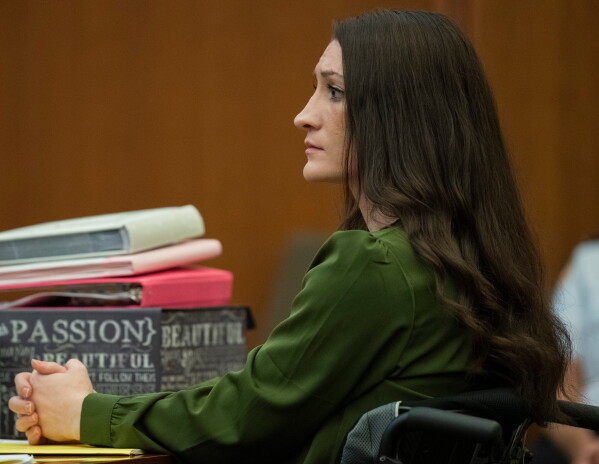
Following the tragic incident where she ended her children’s lives, Clancy attempted suicide, resulting in paralysis from the waist down. Her efforts to seek help included turning to multiple providers, trying various medications, calling a suicide hotline, visiting an ER, and even admitting herself to a psychiatric hospital. During her trial, her attorney Kevin Reddington was seen accompanying her.
The prosecutors claim that Clancy, a former nurse, orchestrated the events leading to the killings on January 24, 2023. They allege she manipulated her husband to leave the house to obtain medication and dinner. The seriousness of her suicide attempt has been questioned, along with her compliance with prescribed treatment.
The rally marked the first significant public display of support since the trial commenced nearly a month ago. Many attendees, like April Vincent from Rhode Island, expressed frustration about women’s voices in mental health being ignored. Participants silently stood for an hour before the day’s trial proceedings, displaying solidarity with Clancy.
In court, Sheila Cavanaugh, a chaplain who visited Clancy in the hospital, recounted her interactions with Clancy. Initially unconscious, by January 31, 2023, Clancy became conscious and expressed herself. One notable exchange involved Clancy expressing relief that her children were safe. Cavanaugh assured her, saying, “They’re safe in heaven.”
Cavanaugh, having visited Clancy over 200 times, stated that Clancy alluded to hearing a voice that instructed her actions as essential for safety. While her testimony notes didn’t include these details, she clarified her role was to support rather than evaluate Clancy.
As the trial continues, Clancy faces charges of murdering her three children. Many hope the case brings more attention to postpartum health issues, with some supporters like Jeanne Zaborski expressing that the trial echoes personal experiences within the community.