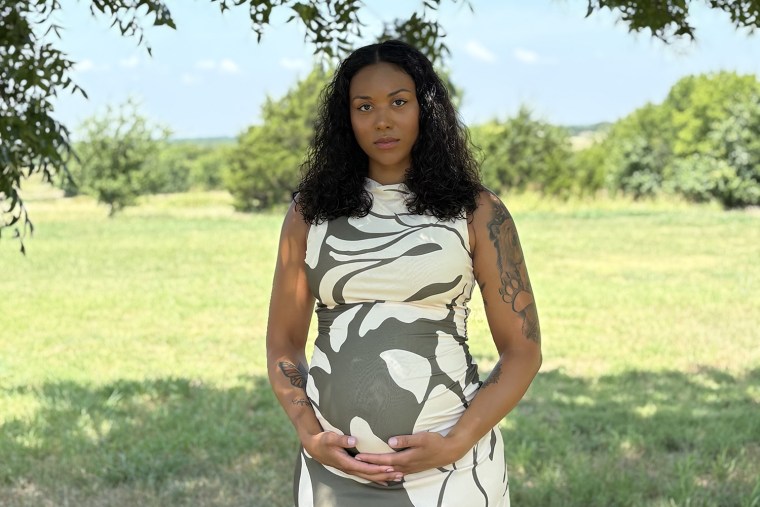
The surrogate embroiled in a multi-state legal dispute over a baby born with a rare heart condition sought to clarify her motivations. McKenna West, a cardiac nurse from Alaska, recently delivered a baby boy in Texas for Omar Ahmed and Nausheen Gilkar. The baby, Rumi, underwent surgery on Monday for hypoplastic left heart syndrome, a condition necessitating lifelong medical care.
In her New York Post editorial, West shared her belief in the baby’s survival prospects through surgery. “People have called this political theater. It isn’t,” she wrote. “This is about giving an innocent child a shot at the life he deserves.”
The parents’ representative declined to comment on the editorial, citing the Guardian Ad Litem’s request for privacy to protect the child’s well-being. Tensions escalated following a 20-week anatomy scan in April, revealing the baby’s condition. The surrogacy contract allowed the parents to request an abortion if abnormalities were detected.
West decided against terminating the pregnancy, expressing personal moral concerns. After her refusal, court documents reveal Ahmed and Gilkar pressured her with potential legal actions. Initially, they accused her of breaching their contract but later acknowledged her decision.
This disagreement led to a legal conflict spanning three states. The biological parents sought legal recognition in California while West initiated a case in Alaska seeking custody, blocking the California proceedings. The couple’s counterclaim demanded $100,000 in damages, citing West’s refusal to provide health updates.
While West sought medical advice in Texas, citing local support and the hospital’s successful track record, the couple targeted Cedars Sinai Medical Center in Los Angeles for care. West alleged that Rumi’s parents refused to commit to his medical needs, a claim they deny.
The case attracted political attention, with the Texas Attorney General, Ken Paxton, advocating for mandatory medical treatment for the baby. A guardian now oversees Rumi’s medical information. The case’s high-profile nature aligns with conservative legal priorities, intertwined with the abortion debate.
Rumi’s survival after his first operation, known as the Norwood procedure, remains uncertain. While in-hospital survival rates are high, long-term outcomes vary significantly. Dr. Scott Hadland emphasized the challenges, noting the substantial risk and developmental impacts of the treatment.