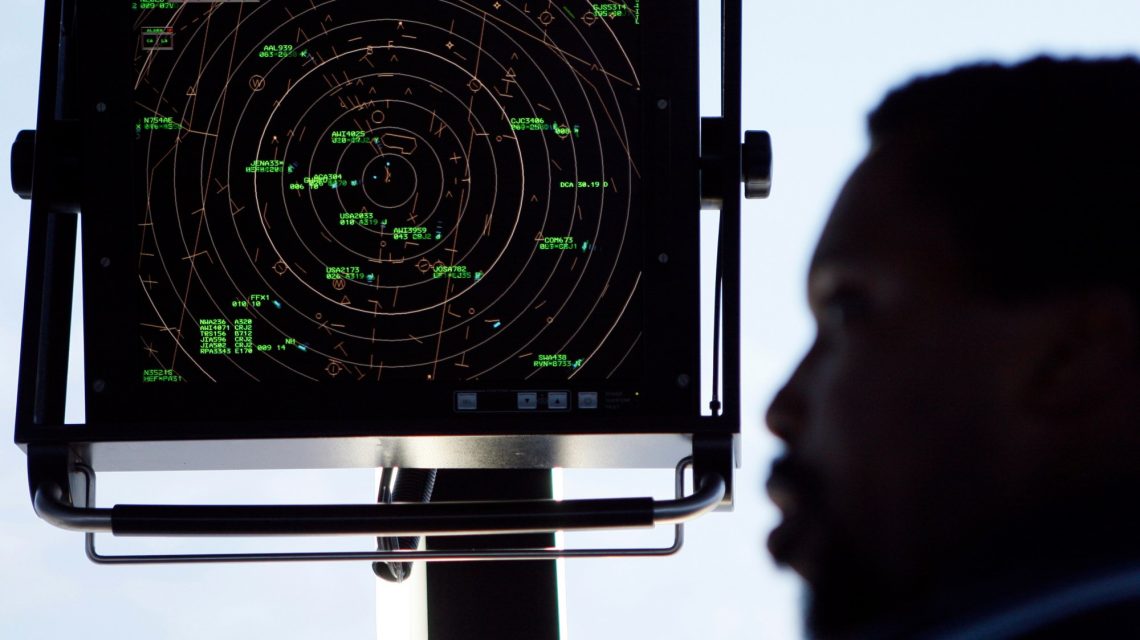
The Federal Aviation Administration (FAA) is actively recruiting video gamers for air traffic controller positions. This initiative has introduced over 2,000 recruits into the system, offering a fresh strategy to address a long-standing staffing issue.
Gamers bring skills such as concentration, pattern recognition, and multitasking, which align closely with those needed to manage real-time flight operations. Air traffic control is a stressful role, ensuring the safety of thousands of lives daily. Identifying individuals capable of handling this responsibility remains a challenge, yet gamers’ skills seem promising.
However, merely increasing applicant numbers does not solve the fundamental staffing issues. The path from recruitment to certification is fraught with challenges, leading to high attrition rates. Applicants need to be under 31, U.S. citizens, and meet strict security and medical standards. Only 10 percent of applicants qualify for training, reflecting the rigorous selection process essential for maintaining safety standards.
One alternative is Canada’s NAV program, a private nonprofit established in 1996. Transport Canada regulates NAV, which oversees air traffic control operations, including recruitment. NAV also faces a shortage, indicating privatization isn’t a complete solution. Yet, moving towards privatization could be a discussion point, similar to the U.S. TSA Gold+ program.
In a privatized model, air traffic controller recruitment and employment might shift to the private sector, with the government maintaining oversight. This transition could protect controller pay from government shutdown impacts, like those seen in 2025.
Integrating more artificial intelligence (AI) into air traffic control offers another potential avenue. AI has proven effective in supporting human tasks and could assist in routine plane ground movements and basic flight management at cruising altitudes. Takeoff and landing should remain under human control, but AI could ease controllers’ workloads, allowing focus on critical tasks.
This AI integration would involve a long-term approach, requiring extensive research and testing. It holds promise for alleviating controller shortages in the future.
While recruiting gamers draws attention, it does not fully address staffing needs. The FAA must broaden its pool of qualified candidates, offer competitive compensation, ensure pay continuity during shutdowns, and incorporate AI to reduce workloads.
Video gamers contribute to the solution, but holistic changes are necessary to resolve the underlying issues. Without these changes, air traffic control shortages will remain a topic of discussion.
If the U.S. aims to maintain its reputation for the safest and most efficient airspace, it must tackle the structural recruitment and retention challenges within air traffic control.
Sheldon H. Jacobson, Ph.D., is a computer science professor at the University of Illinois Urbana-Champaign. He specializes in data-driven, risk-based decision-making to inform public policy.