If you or someone you know is experiencing thoughts of suicide, please contact the National Suicide Prevention Lifeline at 1-800-273-TALK (8255).
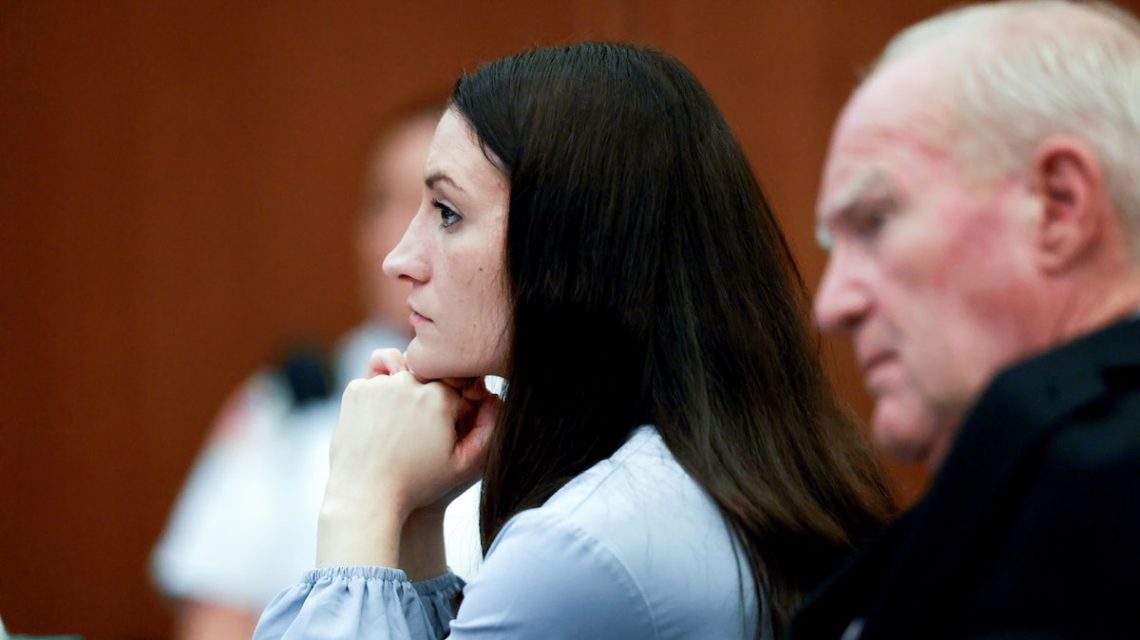
The trial of Lindsay Clancy, accused of first-degree murder in the deaths of her three children, enters a critical phase as jurors prepare to deliberate. Clancy faces charges for the deaths of Cora, Dawson, and Callan, all under the age of 6, found strangled in their home in January 2023. Closing arguments are set for Thursday following the prosecution’s rebuttal.
Defense Argument
Clancy’s defense attorney claims she suffered from postpartum psychosis when the killings occurred. This claim faces strong opposition from prosecutors, who assert a lack of evidence for a “break with reality.” Clancy’s trial echoes that of Susan Smith, convicted years ago for drowning her two young sons. Smith was sentenced to life in prison, with a motive linked to a romantic relationship.
“So as a prosecutor, what you try to do… is point out all the things that she did… But that’s what you’re looking at. Was it a break from reality? Or did she just commit a horrible crime and make a horrible choice?” – Rep. Tommy Pope
Prosecution’s Perspective
Rep. Tommy Pope, previously involved in Smith’s trial, commented on the Clancy case. He believes Clancy failed to show a true “break from reality.” According to Pope, prosecutors examine all behaviors, such as mundane actions, questioning if they suggest clarity of thought rather than psychosis.
Pope notes the absence of a clear motive in Clancy’s case, unlike in Smith’s situation. He questions Clancy’s intent, challenging the defense’s narrative around her actions and possible suicidal gesture.
Psychiatrist Testimony
Gregory Saathoff, a psychiatrist from the FBI’s Behavioral Analysis Unit, testified on potential stressors in Clancy’s life. Financial pressure and a perceived inability to support her family may have contributed to her actions. Saathoff mentions Clancy’s belief that her “brain had been damaged,” leaving her unable to pursue her career.
Defense attorney Kevin Reddington highlighted Saathoff’s acknowledgment that severe insomnia could lead to psychosis. This point emphasizes the role sleep deprivation may play in Clancy’s mental state.
 The Quest for the Knuckleball Dream
  Navigating Grief After a Sibling’s Overdose
  Tragedy and Immigration: The Impact on a Family
  The Journey of a Fox News Correspondent: From Infectious Diseases to On-Air Reporting and Beyond
  Midwest Underground Railroad Network Gains National Recognition
  Journalist Jodie T. Allen Passes Away at 88