Jury Deliberations Begin
Judge William Sullivan addressed the jury, providing detailed instructions on weighing the charges against Lindsay Clancy. The jurors selected a foreperson, and alternates were chosen by drawing numbers. Judge Sullivan expressed confidence in the jury’s ability to deliver a fair verdict, commending their dedication.
Prosecution Closes with Firm Argument
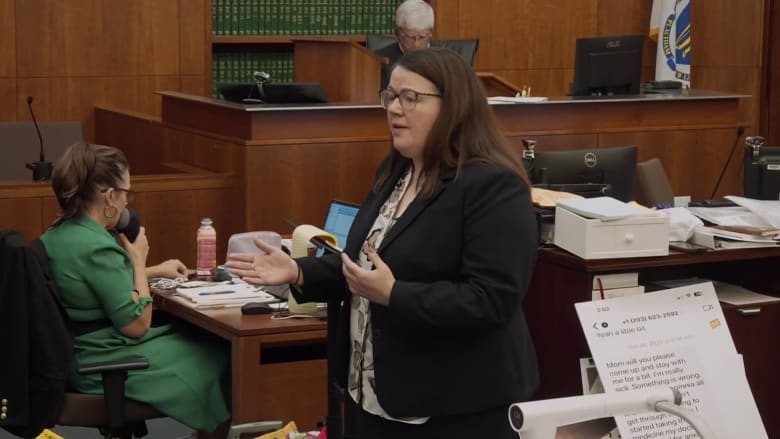
Prosecutor Jennifer Sprague concluded her argument highlighting the gruesome scene where Clancy left her children, comparing them to ‘broken toys’ and asserting Clancy’s guilt. She described the act of strangulation as ‘extreme atrocity and cruelty’ needed for a first-degree murder conviction.
Response to Defense’s Claims
Sprague rebuffed the defense’s allegation that Clancy was instructed to feign hearing voices. No evidence, she stated, supported this claim. She also scrutinized the sincerity of Clancy’s suicide attempt, which lacked seriousness in execution.
Comparison with Andrea Yates Case
Sprague attempted to parallel Clancy’s actions with Andrea Yates, who also killed her children while battling mental illness. This comparison was met with objection by the defense and instructed by the judge to be discontinued.
Defense Strategy and Prosecution’s Rebuttal
Defense attorney Kevin Reddington argued Clancy acted under psychosis and was not guilty. He referenced the distinguished opinion of Dr. Phillip Resnick supporting Clancy’s alleged state of psychosis. The prosecution countered with Clancy’s calculated actions and the access she had to mental health resources.
Judge’s Instructions on the Legal Burden
Judge Sullivan outlined the prosecution’s burden to prove Clancy was not suffering from a mental disorder at the time of the crime. He instructed jurors on determining Clancy’s criminal responsibility based on her mental capacity to understand her actions’ wrongfulness.
Scene Inside the Courtroom
The courtroom was filled, with intense media and public presence reflecting the national interest in the trial. Clancy’s supporters were visibly present, awaiting the final proceedings and verdict with anticipation.
Conclusion of Closing Arguments
Both sides concluded their tables. Reddington appealed to the jury’s emotions by emphasizing Clancy’s previously untarnished life, describing her as a caring mother and emphasizing her mental struggles. Sprague focused on the premeditated aspect of the crime, driven by Clancy’s own testimony and actions betraying acknowledgment of wrongfulness.