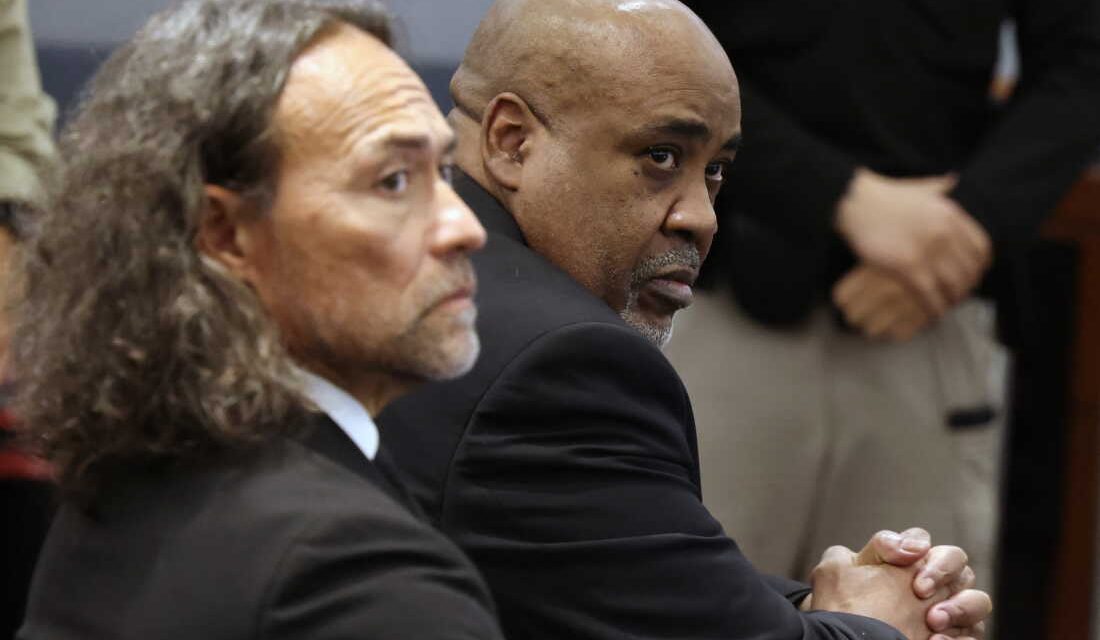
A jury has found Duane “Keffe D” Davis guilty of orchestrating the 1996 murder of rap icon Tupac Shakur. Davis, 63, was convicted of first-degree murder with a deadly weapon and faces a possible life sentence. The decision brings resolution to a case that has captivated hip-hop fans and lingered in public consciousness for decades.
The jury came to a verdict in less than three hours following a lengthy trial in Las Vegas. As the verdict was announced, Shakur’s sister, Sekyiwa “Set” Shakur, expressed her emotions by crying and embracing the prosecutors. In contrast, Davis’ son showed distress, partially concealing his face.
Chief Deputy District Attorney Binu Palal explained to jurors in his closing arguments that Davis obtained a firearm and sought out Shakur and Death Row Records co-founder Marion “Suge” Knight after Davis’ nephew had been assaulted by them earlier. Palal stated, “He is responsible for the murder of Tupac Shakur. Tell him you hear him. Find him guilty.”
Prosecutors maintained that Davis had often placed himself inside the white Cadillac from which shots were fired, despite changes in his story over time. Though he did not pull the trigger, evidence suggested he orchestrated the act as a gang leader commanding the younger men in the vehicle, including his nephew.
Michael Sanft, Davis’ defense attorney, questioned the presence of any evidence confirming Davis had given orders related to the shooting. The case saw testimonies from 24 prosecution witnesses and three defense witnesses over nine days. Due to logistical reasons surrounding witnesses, the prosecution agreed to drop a gang enhancement charge.
Following the verdict, prosecutors did not provide comments, and members of Shakur’s family chose to remain silent until sentencing, scheduled for October.
The case, unresolved for years, has attracted attention from hip-hop enthusiasts and crime experts alike. Tupac Shakur, regarded as one of the most influential rappers, was shot in Las Vegas on September 7, 1996, while at a red light. A white Cadillac approached, from which shots were fired. Shakur succumbed to his injuries six days later, while Knight survived the attack.
No charges were filed in the rapper’s death until Davis made public statements, confessing his presence in the Cadillac and passing the gun to others in the back seat as retaliation for the assault on his nephew. Davis is the sole survivor among the four men implicated in the shooting by prosecutors.
Witnesses provided details of the intense rivalry between Los Angeles gangs Mob Piru and Davis’ Southside Compton Crips preceding Shakur’s death. These gangs were connected to Knight’s Death Row Records and Sean “Diddy” Combs’ Bad Boy Records.
In defense, Sanft argued the absence of physical evidence linking Davis to the murder. He described Davis’ book and public statements as exaggerated tales meant for monetary gain, not truth-telling. Sanft scrutinized the prosecution’s narrative, highlighting lacking evidence like phone records supporting Davis as the orchestrator.
“They have nothing that places that man in Las Vegas on September 7, 1996,” Sanft stated in closing arguments.
Prosecutor Marc DiGiacomo rebutted, pointing out Davis’ scrapbook containing articles about Shakur. “This guy’s scrapbooking his murder, for God’s sake,” DiGiacomo told jurors.
Prosecutor Palal emphasized Davis’ 2019 memoir, “Compton Street Legend,” and played interviews where Davis encouraged buying the book for the “real truth.” Despite disclaimers in the book suggesting alterations to facts, prosecutors asserted the main narrative remained unchanged.
During closing arguments, Sanft referenced his client’s memoir and read an excerpt which included the N-word, causing discomfort among those in the overflow courtroom.
Prosecutors argued Davis’ words alone warranted conviction, attributing the shooting to a gang rivalry. Witnesses illustrated the vicious competition between Los Angeles gang factions prior to Shakur’s death and how these gangs aligned with opposing labels — Mob Piru with Knight’s Death Row Records and Southside Compton Crips with Sean “Diddy” Combs’ Bad Boy Records.
The death of Bad Boy’s the Notorious B.I.G. six months after Shakur was frequently mentioned in the trial. Some law enforcement witnesses initially suspected Davis in B.I.G’s killing but later excluded him. This case also remains unsolved, capturing the interest of hip-hop fans.
 Bolivia Faces Security Test Amid Unrest
  Incident on FlyDubai Flight Raises Security Concerns
 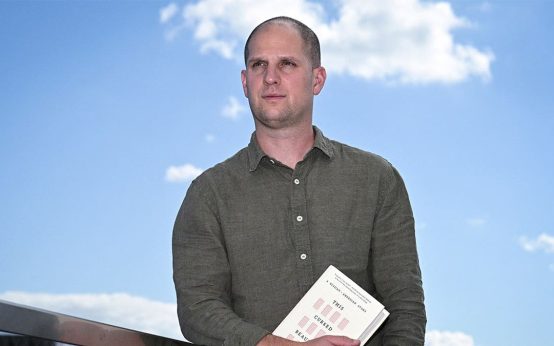 Journalist Gershkovich Discusses Wrongful Detention and Release in Russian Prisoner Swap
  Pakistan Airstrikes in Afghanistan: Civilian Casualties Reported
  Ukraine Converts APCs to Explosive Devices in Donetsk Offensive
 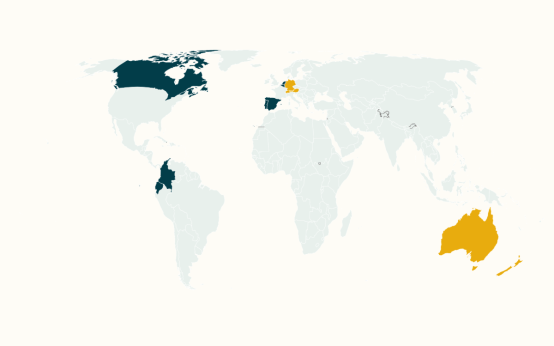 Dutch Review Board’s Euthanasia Ruling and International Debate