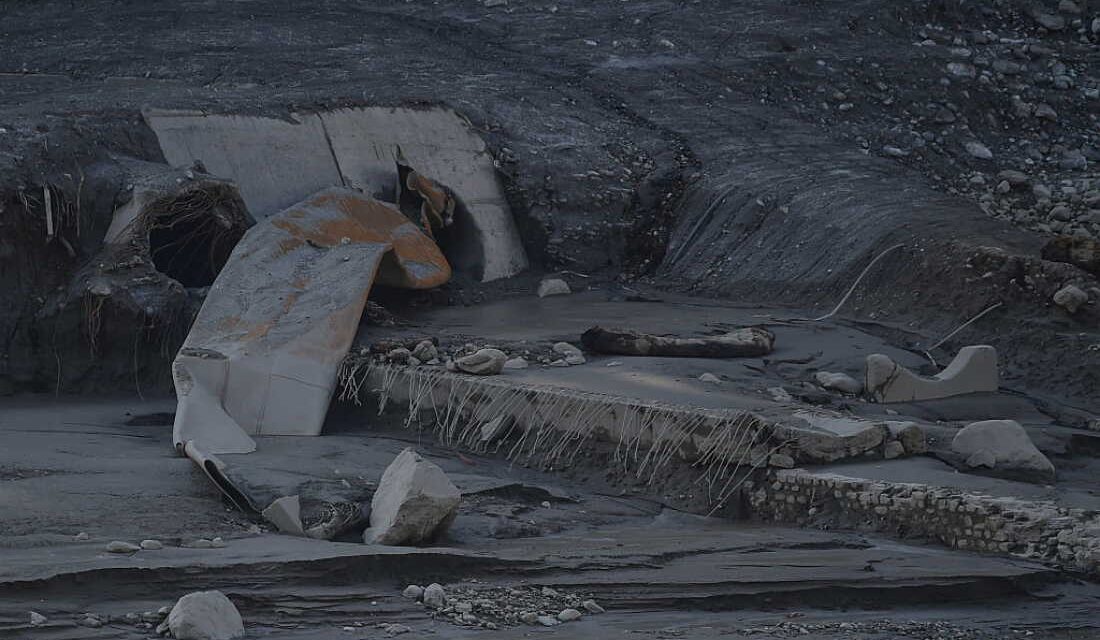
The aftermath of a natural disaster has left the Trishuli Hydropower Plant in ruins. Landslides triggered by flash floods have caused severe damage to the plant’s tunnels and infrastructure. Rescue efforts are ongoing as teams work tirelessly to locate and retrieve survivors.
Rescue Challenges
In the wake of recent floods that swept through Tibet and Nepal, over 1,000 people lost their lives, and many more are missing. The disaster caused significant destruction along riverside communities and infrastructure, leaving several hydropower plants buried under mud. Rescue teams are racing against time to find survivors who might be trapped within these plants. The task is complicated by the difficulty of locating tunnels that are now concealed under debris.
Arnold Dix, a tunneling expert, described the area as resembling a post-explosion landscape. Around 21,000 Nepali security personnel are engaged in rescue and humanitarian operations. Lok Bahadur Poudel Chhetri, a spokesperson for the Ministry of Foreign Affairs, reported that approximately 4,000 individuals remain unaccounted for.
Effects of the Glacier Collapse
The catastrophe began when a large section of a glacier, spanning about 3,000 feet, broke off and plunged into a river valley. The cascade of mud, debris, and water obliterated buildings and communities along the riverbank, including numerous hydropower stations within the Trishuli River area. Dix noted that several power stations are now absent from the landscape due to the massive displacement of earth and water. Rescue efforts focus on searching for tunnels where workers may have taken refuge.
Rescuers are employing advanced mapping techniques to locate these tunnels. They speculate that survivors may be in the turbine houses, referred to as the “Goldilocks zone.” Dix, overseeing operations at the Trishuli 3A hydropower plant, described efforts to dig through boulders and mud that blocked tunnel entrances. In some instances, controlled explosions by the army are used to clear the path for rescue teams.
Survivor Accounts and Government Response
Approximately 300 individuals have been rescued from hydropower projects, including those in the Upper Trishuli-1 plant. Survivors recount harrowing experiences of escaping floodwaters. Janak Thapaliya, a worker, managed to stay afloat by climbing onto a water tanker. While he survived, he noted that not all his colleagues were as fortunate.
The initial response of the Nepali government stirred controversy, as there were claims of reluctance to accept international aid. However, Finance Minister Swarnim Wagle stated that foreign assistance was accepted based on situational needs. Ashish Pradhan from the International Crisis Group suggested the government made necessary adjustments and is coping with the complexities of the disaster.
Assistance from international teams is underway. Rescue experts from India and China are collaborating with Nepalese personnel. A South Korean team is also expected to join the operations, bolstering efforts to locate and save those still missing.
 British Police Arrest Man Suspected of Terror Plot
  Activists Push for Nationwide Ban on Child Marriage in the U.S.
  Investigation into Alleged Incident at Cornell University
  Rising Drone Threats Highlight Vulnerabilities in Moldova’s Airspace Defense
  Bolivia Faces Security Test Amid Unrest
  Incident on FlyDubai Flight Raises Security Concerns