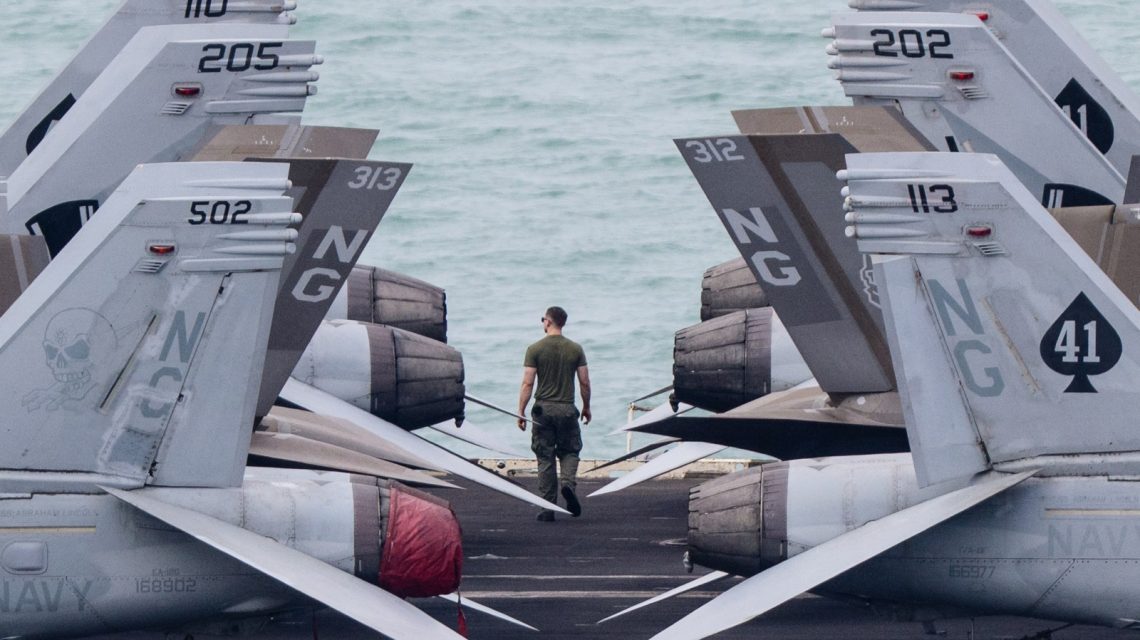
The USS Abraham Lincoln, a U.S. aircraft carrier, will make another port stop before returning home, as revealed by Ashley Rogers, the wife of an officer onboard. This decision extends a deployment already marked by concerns over conditions, maintenance, and crew welfare. Rogers shared with Newsweek that her husband explained the need to complete the assigned time in the Indo-Pacific region, following a diversion to the Middle East linked to operations concerning the Iran war.
Reasons for Extended Deployment
The carrier was originally stationed in the Indo-Pacific, but it had to redirect to support the U.S. efforts linked to the situation in Iran. Rogers said, “Because they were rerouted, and they did this whole other thing with Iran, they had not served their dedicated time to the Asian Pacific deployment area, and they’re still required to meet that time.” Her husband mentioned that even without additional port calls, the carrier would need to remain in the region, committed to the time frame.
The U.S. Navy has not confirmed these explanations. Multiple port visits can occur during returns to serve logistical, maintenance, diplomatic, or welfare purposes for the crew. Ships also often return to their initial regions for missions after diversions, although no formal requirement exists to compensate for days lost during such diversions.
Deployment Timeline
The deployment began in November 2025, originally set to conclude in early summer. The carrier initially headed toward the South China Sea but was later rerouted to the Middle East. The USS Abraham Lincoln was succeeded by the USS George Washington and subsequently traveled to Thailand, reaching the Laem Chabang Port after a notably long period at sea.
For families of the crew, the delay extends beyond initial anticipation. With frustrations over further delays, Rogers commented, “This deployment was meant to end, you know, early summer, and it doesn’t make sense to me that they can’t just come home.” The ship’s arrival in Thailand provided relief, enabling families to communicate with their loved ones.
A Moment of Relief for the Crew
After 286 days of deployment, including around 250 days without a port stop, about 5,000 sailors and Marines received permission to disembark for a “liberty port call” in Thailand. Rear Admiral Robert E. Loughran stated, “Our arrival in Laem Chabang provides a well-deserved opportunity for our sailors and Marines to rest and recharge.”
Amid the port call enhancing tourism and local economy, U.S. personnel faced certain restrictions, alongside warnings against unlawful activities. The carrier’s prolonged sea duration led to visible wear and tear, as observed in photos showing rust and worn paint. Despite this, experts like William Freer highlight the ship’s durability and operational ability, reflecting the U.S. Navy’s operational capacity.
Addressing Concerns and Scrutiny
The deployment faced scrutiny over reported conditions, including food shortages, hygiene issues, and morale challenges, alongside allegations of crew members attempting to jump overboard. Although one sailor went overboard in August, the Navy stated no rise in suicide attempts or ideation was observed. Despite criticism, officials maintain that mental health and crew welfare remain priorities.
Congressional representatives expressed the need for oversight on the deployment’s impact on service member well-being and Navy readiness. As families anticipate the carrier’s return, the news of another stop perpetuates uncertainty over the crew’s homecoming date.
Contact Newsweek editors on this story: Jenna deJong and Sam Wilson.
 Bolivia Faces Security Test Amid Unrest
 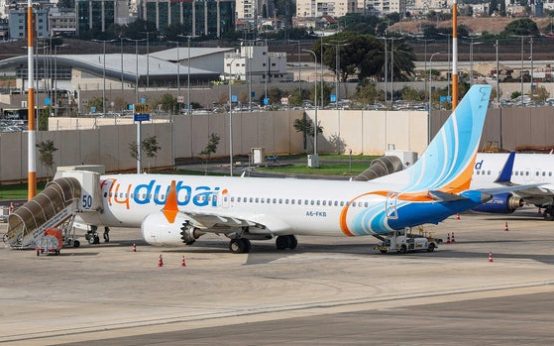 Incident on FlyDubai Flight Raises Security Concerns
 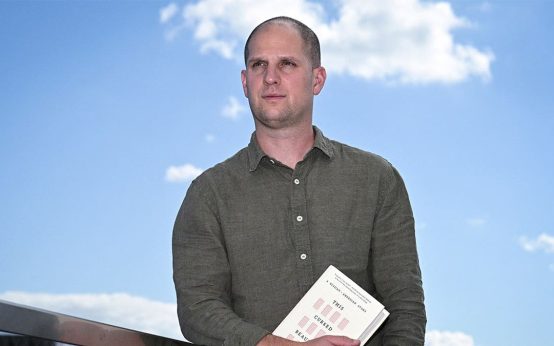 Journalist Gershkovich Discusses Wrongful Detention and Release in Russian Prisoner Swap
  Pakistan Airstrikes in Afghanistan: Civilian Casualties Reported
  Ukraine Converts APCs to Explosive Devices in Donetsk Offensive
 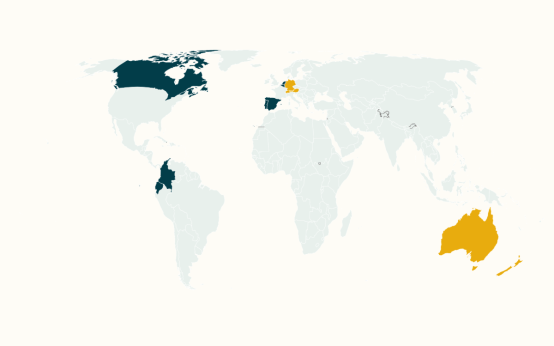 Dutch Review Board’s Euthanasia Ruling and International Debate