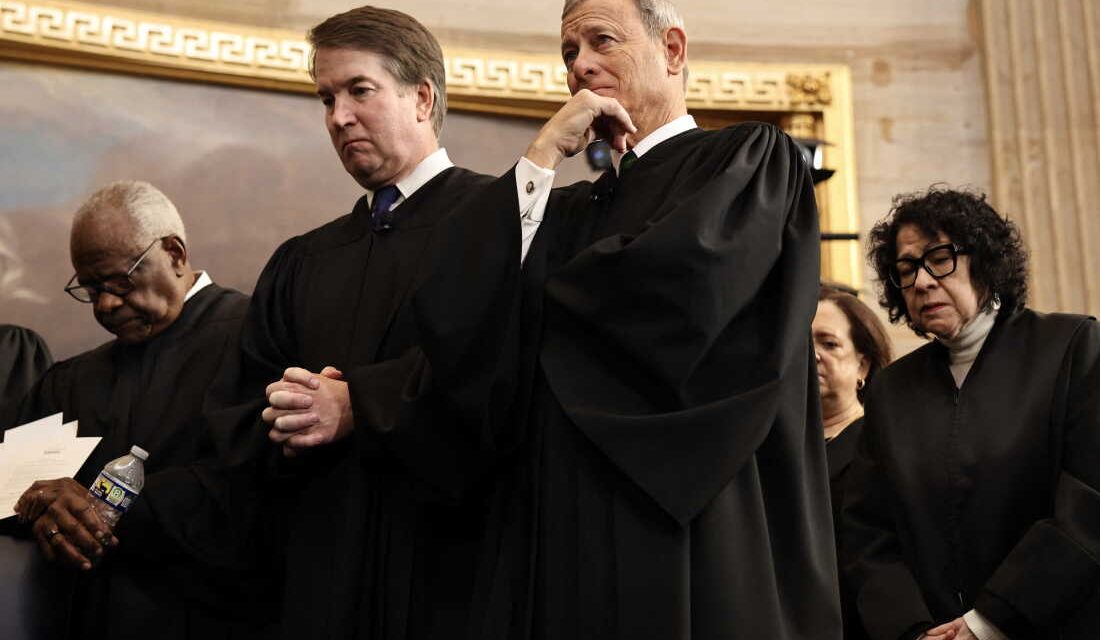
During the presidential inauguration on January 20, 2025, Supreme Court Justices Clarence Thomas and Brett Kavanaugh, Chief Justice John Roberts, and Justice Sonia Sotomayor bowed their heads in Washington, D.C.
The trend of lengthening arguments at the Supreme Court has been noticeable in recent years. Arguments that used to last an hour now extend beyond 90 minutes. This has created frustration among some justices. Chief Justice John Roberts is thinking about changes for the new term starting in October, but solutions may not be straightforward.
The Tradition of Timed Oral Arguments
Traditionally, the Supreme Court’s oral arguments lasted 60 minutes. The late Chief Justice William Rehnquist enforced this strictly. Rehnquist was known for cutting off lawyers when their time expired, regardless of their prominence. Times have changed, and arguments now often surpass their scheduled time. As Adam Feldman, a Supreme Court analyst, notes, many hearings now stretch to 90 minutes or more.
Impact of the COVID-19 Pandemic
The pandemic necessitated alterations in how the court conducted oral arguments. The justices moved to telephonic hearings, allowing each advocate to introduce their case with minimal interruption. Each justice then had individual time for questions, leading to more structured sessions. Feldman believes this order was necessary to prevent chaos.
The Role of Oral Arguments
Oral arguments are critical as they provide transparency in the court’s decision-making. Despite declining public opinion, this aspect remains open to the public. Tonja Jacobi of Emory University underscores the importance of public access to these arguments, even if few listen actively.
Some format changes have been positively received. Justice Clarence Thomas, previously quiet before the pandemic, now leads in questioning, thanks to his seniority. Despite improvements, Jacobi’s research shows interruption rates remain high, and polarization within the court limits the effectiveness of persuasion during arguments.
Speaking Patterns Among Justices
Justice Ketanji Brown Jackson, the newest and one of three liberal justices, speaks the most during hearings. She is followed by Justice Sonia Sotomayor. Jacobi explains this pattern, suggesting justices expecting to lose an argument tend to speak more, attempting to persuade others. In contrast, conservative justices, confident in their majority, rely less on persuasion.
Challenges of Containing Argument Length
Some justices find prolonged arguments challenging. Chief Justice Roberts mentioned the possibility of changes to shorten sessions, acknowledging the difficulty of this task. Jeff Wall, former acting Solicitor General, compared the situation to dealing with a conference call, noting the challenge of cutting discussions short.
Feldman believes time management remains a work in progress. Roberts must carefully manage the court without causing friction among justices.
Jacobi notes that important cases sometimes require extended sessions. She compares U.S. practices to Australia, where oral arguments can span days.
Any format changes will be evident on October 5, marking the start of the new term at the court.
 Defense Secretary Emerges as Key Player in the Trump Administration
  Hegseth’s Vision for the Military: Balancing Tradition and Innovation
 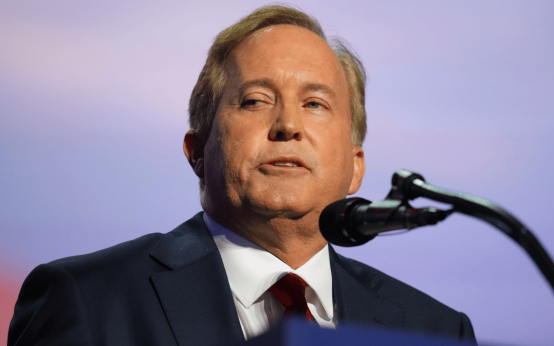 Significant Funding Boosts Ken Paxton’s Texas Senate Campaign Amid Tight Race
  U.S. States Extend Gas Tax Waivers Amid Rising Fuel Costs Due to Iran Conflict
  USCIS Raises Immigration Fees
  Former Biden Administration Prosecutor Faces Criminal Investigation Referral