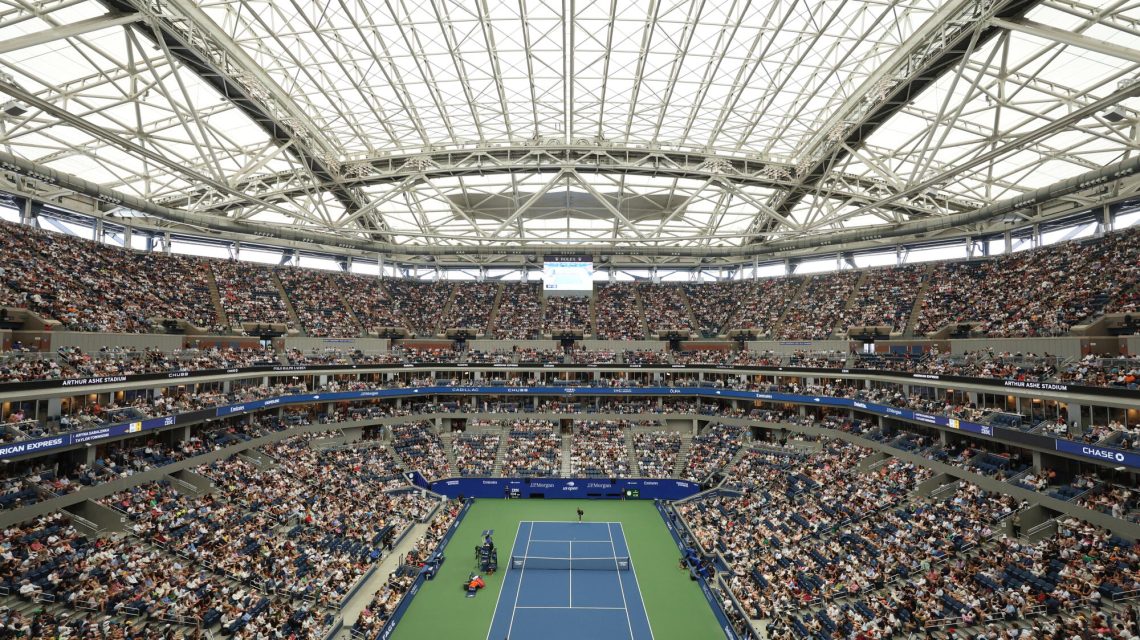
Matches at the U.S. Open often extend past 2 a.m. The atmosphere inside Arthur Ashe and Louis Armstrong stadiums is lively. On Friday, the scent of marijuana was noticeable enough for the top-ranked player to complain. The U.S. Open prides itself on being the loudest of the Grand Slam events. Yet, the question arises: when does atmosphere interfere with tennis?
Player Reactions
Top-ranked American Jessica Pegula views the chaos as part of the New York experience. However, she suggests some improvements are needed to avoid interference during matches. Aryna Sabalenka, a two-time defending champion, complained about the marijuana smell during her match against Kamilla Rakhimova. She urged fans to refrain from smoking near the courts.
Historical Context
The U.S. Open has always had noise and mayhem since moving to Flushing Meadows in 1978. Nearby airports and trains contribute to the din. The crowd has a history of unruly behavior. In 1979, during a match between Ilie Nastase and John McEnroe, the crowd threw objects onto the court, causing a 20-minute interruption.
Modern Challenges
With the rise of influencers, new challenges have emerged. Naomi Osaka experienced disruptions from influencers making videos during her match. While she supports attracting new audiences, she emphasizes respecting the sport. Coco Gauff suggests brands should educate influencers on tennis etiquette.
Sensory Overload and Scheduling
Players like Marta Kostyuk and Alex de Minaur report difficulties due to constant noise. Late night sessions add to the challenge, with many concluding after 2 a.m. Venus Williams described a late-night match as “completely insane.” Despite this, some players, like Learner Tien, appreciate the vibrant atmosphere.
Embracing the Madness
While many players appreciate the lively atmosphere, it highlights a disconnect between sport and spectacle. Unlike the reserved nature of Wimbledon or the elegance of the French Open, the U.S. Open embraces its chaotic identity. The new chief executive of the USTA, Craig Tiley, envisions turning the event into a “tennis Disneyland.” This approach aims to attract younger audiences and challenge traditional spectator behavior.
Pegula believes friction may be due to newcomers adjusting to tennis traditions. As attention increases, spectators may become more informed about expected behavior at matches.
 Historical Events in Chicago on October 1st
  Stephen A. Smith Discusses Houston Texans’ Critical Matchup Against Dallas Cowboys
  CC Sabathia Anticipates Yankees’ Game 1 Pitcher for ALDS After Beating Red Sox
  Atlanta Dream Progress to WNBA Semifinals
 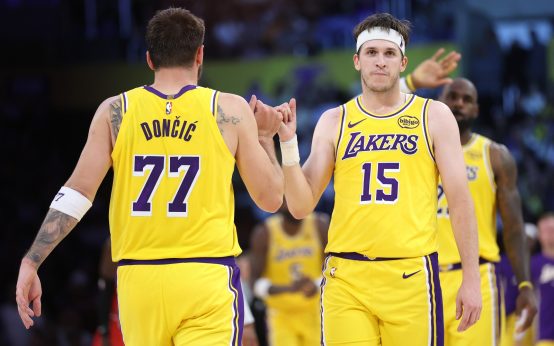 Los Angeles Lakers Focus on Defense in Luka Doncic Era
 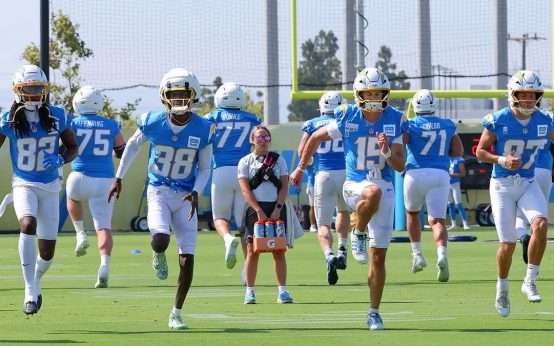 Los Angeles Chargers Face Criticism Amid Team’s Poor Start