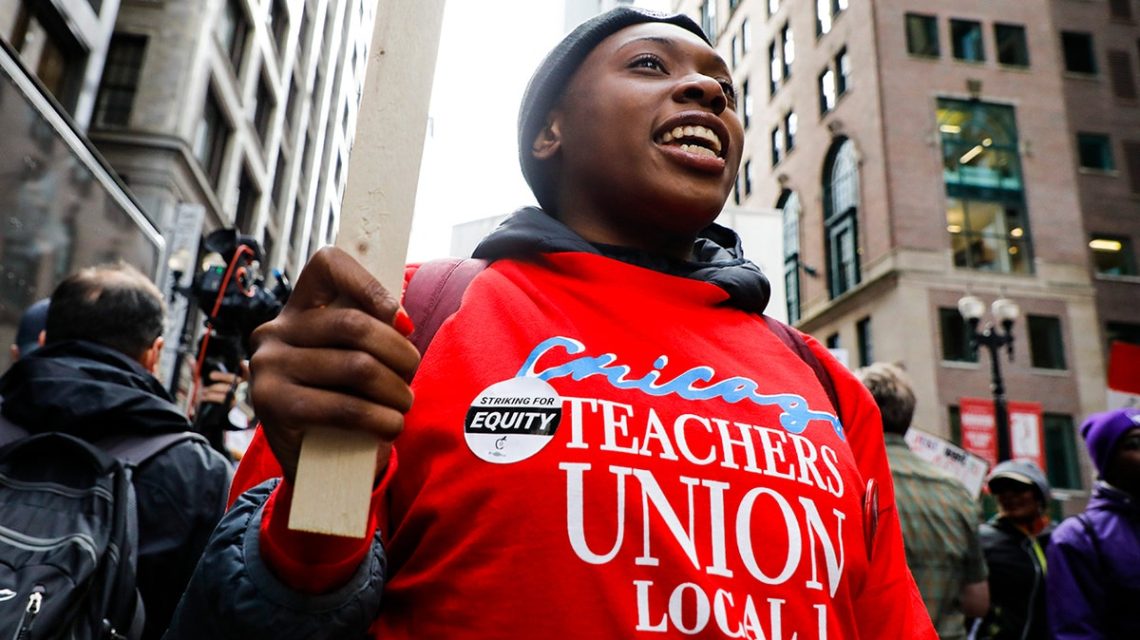
As summer ends, many Americans anticipate Labor Day, a day honoring the American workforce whose commitment shapes our living standards. Each year, union leaders often sideline this celebration to advocate for heightened governmental powers. Rather than extolling the workers they represent, these officials use the day for political leverage, protecting their status.
Unions currently rely heavily on government-backed power. Instead of earning workers’ support individually, union officials utilize federal law to impose uniform ‘representation’ on dissenting employees. In 24 states lacking right-to-work laws, which ensure voluntary union financial support, officials may legally compel workers to ‘pay up or be fired’.
“Explosive report reveals union money trail labeled a ‘stunning betrayal’ of MAGA members.”
Even proponents of enforced unionism acknowledge that union bosses sometimes undermine employee interests. Take Robert Reich, former Secretary of Labor and Harvard professor, who lamented law changes emphasizing union voluntarism over coercion. He suggested unions must have tools to bind members, articulating this stance in an Associated Press interview.
Later, Vice President Kamala Harris, while California attorney general, admitted that union monopoly contracts could harm some workers, as per a U.S. Supreme Court brief. Her observations highlight unions’ significant latitude in bargaining strategies counterproductive to certain employees’ economic interests.
Union members recognize coercion within the system. A Rasmussen Media Group poll showed 79% of union affiliates favor voluntary union dues. Despite widespread dissent, officials continue advocating for expanded coercive authority.
Consider the major labor legislative priority: the ‘PRO Act’. Under ‘reform’ guise, this bill aims to annul all right-to-work laws, mandating compulsory union dues nationwide. Beyond this, the Act introduces controversial measures like ‘card check’, bypassing secret ballot voting for unionization. Workers face direct pressure to sign ‘authorization cards’, counted as union votes.
Further, the PRO Act restricts workers’ ability to vote against unwanted union presence. Months or years of compulsory dues follow, despite unanimous employee opposition to union ‘representation’. Many question this as ‘pro-worker’ legislation.
Union officials’ current ambitions diverge sharply from early leaders’ ideals. Samuel Gompers, the recognized father of American unionism, advocated for voluntarism and opposed coercion, famously stating in a 1924 speech, “No lasting gain has ever come from compulsion.”
Voluntary union membership and support ensure accountability to workers. Yet, modern union agendas seek novel ways to undermine worker rights for political benefit.
This Labor Day, consider true ‘pro-worker’ values, resisting union leaders’ claims denying workers’ choice freedom. It’s Labor Day, emphasizing workers’ efforts, not a day for union dominance.
Mark Mix serves as the president of the National Right to Work Committee and National Right to Work Foundation.
 Upcoming Congressional Elections: Key Districts to Watch
  President Trump’s Pre-Midterm Interview on Key Issues
  Trump’s 2024 Reelection and Evolving Voter Dynamics
  Defense Secretary Emerges as Key Player in the Trump Administration
  Hegseth’s Vision for the Military: Balancing Tradition and Innovation
 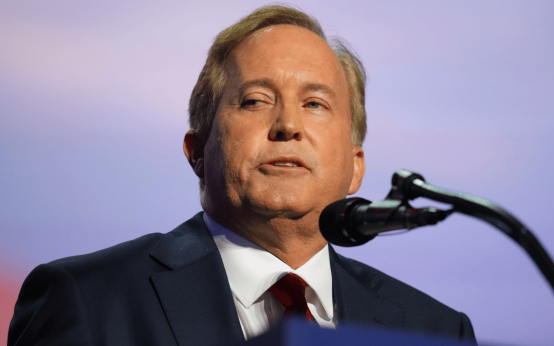 Significant Funding Boosts Ken Paxton’s Texas Senate Campaign Amid Tight Race