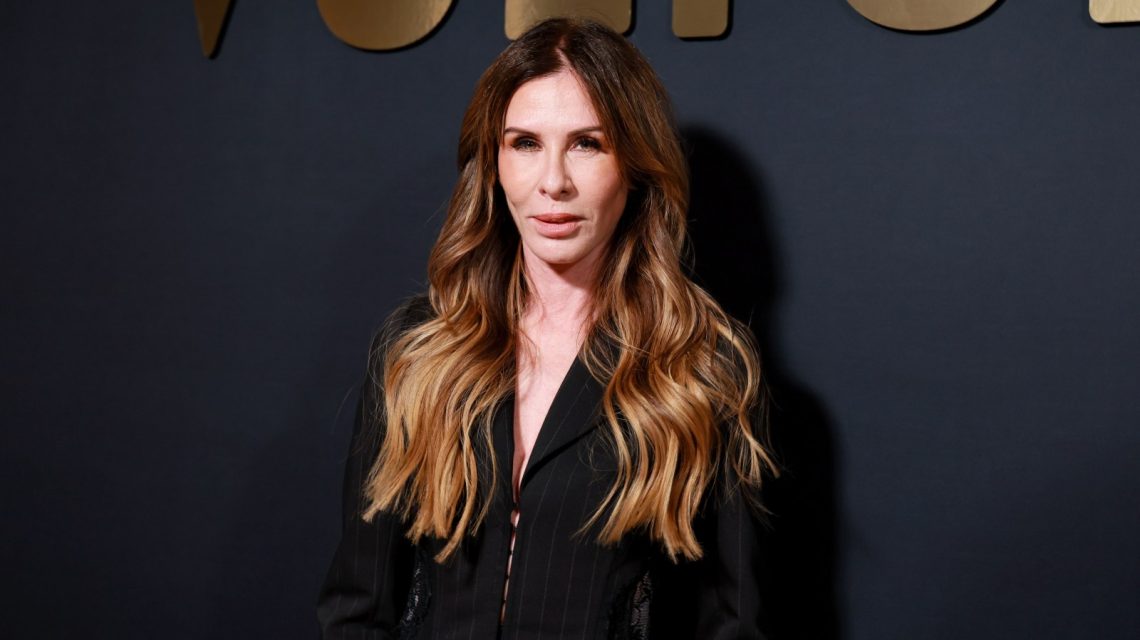
As the seasons transition and Americans retreat indoors, television offers a familiar comfort. Shows like “The Real Housewives of New York City” return with their dramatic allure. Pinot Grigio flows, greetings come with underlying hostility, cosmetic procedures range widely, and personal dramas unfold. The series, featuring Carole Radziwill’s return, exemplifies such elements. It airs on Bravo, Tuesday at 8 p.m.
Beneath the show’s exaggerated elements lies an ancient draw: loyalty, betrayal, and exclusion. These themes resonate with current U.S. politics. Former reality TV star Donald Trump, now a political figure, leverages similar dynamics. In his circle, personal loyalty is key, and public disputes matter. The political stage mirrors Bravo, where alliances shift and evidence circulates.
The analogy between “The Real Housewives” and Trump’s political scene may not be perfect. Governance has real-world impacts, while reality TV does not. Yet, understanding the personnel shifts in Trump’s Washington might be easier with Bravo’s guide than historical texts.
You Are Either in the Cast or Out
Friendship in “Housewives” is a matter of social ranking. Invitations matter. Room assignments reflect status. Insults reveal power dynamics. The feud between Bethenny Frankel and Jill Zarin on RHONY illustrates early tensions. Though Frankel departed, her return marked a temporary exile.
In Trump’s politics, status can change rapidly. Liz Cheney, once prominent, lost her position after opposing Trump. Marjorie Taylor Greene’s trajectory demonstrates this fluctuating hierarchy. Initially aligned with Trump, her dissent in 2025 altered her standing. Her retort, “I gave him my loyalty for free,” stands as a notable line.
Receipts, Proof, Timeline, Screenshots
Housewives demand evidence in conflicts. Text messages and screenshots often resolve disputes. Across the series, “receipts” propel stories. Monique Samuels’ reunion appearance with a packed binder exemplifies this.
Trump’s world equally thrives on public documentation—social media posts, statements, and endorsements shape narratives. The goal extends beyond fact-checking to signifying allegiance. In this theatrical space, as in RHONY’s Aviva Drescher’s memorable leg-toss incident, moments add dramatic layers.
Nobody Is Gone Forever
Patronage and grudge-holding are not Trump’s inventions. Political parties have historical roots in reward and punishment systems. Trump’s hold on Republican support stems not just from loyalty, but shared views on critical issues. Yet, like on Bravo, exile in politics is mutable. Roles diminish but can resurface.
Elon Musk’s shifting relationship with Trump highlights this flexibility. Once allies, their fallout in 2025 seemed significant. Later, public appearances together suggested changed, but possible, alliances.
Carole Radziwill’s return to RHONY aligns with these themes. After years away, she re-enters a storyline rich with political and personal ties. Her connections to notable figures bring a unique blend of reality TV with political mythology.
The interplay of past relationships, scandals, and personal dynamics in both realms suggests a simple truth: absence from the spotlight can be temporary. With Bravo, it’s a comeback. In Washington, it’s a recurring cycle.
 The Trump Team’s Challenge to the Military Leadership
  Maryland First State to Restrict Electronic Pricing in Grocery Stores
  Activists Push for Nationwide Ban on Child Marriage in the U.S.
  Democratic Hopes and Historical Warnings in 2026 Senate Race
  Republicans Face Challenges Amidst Cost of Living Concerns
  A Different Kind of Fall for Congress This Year