Overview of the Executive Order
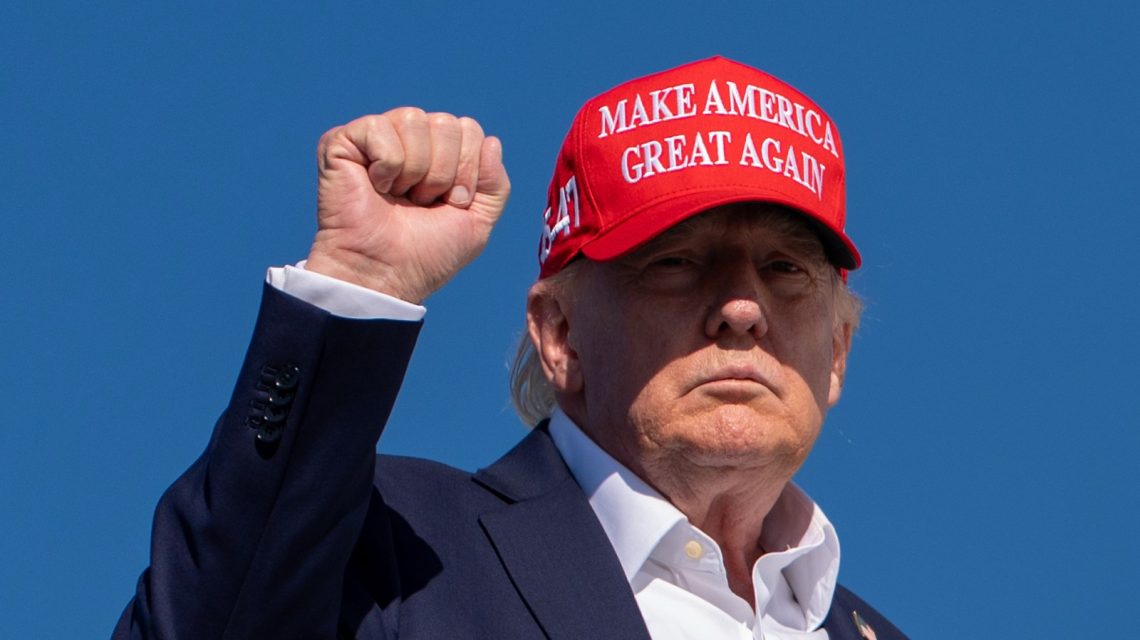
President Donald Trump has signed an executive order to expedite veterans’ access to federal benefits and employment opportunities by addressing delays caused by outdated systems. This order targets the modernization of management and sharing of service members’ records and includes involvement from the Department of Labor to enhance career guidance and opportunities for veterans.
Addressing Administrative Delays
The order seeks to streamline the transition from military service to navigating the Veterans Affairs (VA) system. It directs the Departments of War and Veterans Affairs to create mechanisms for sharing personnel files and service treatment records throughout a service member’s career into their VA benefits period. It also mandates transferring records to the VA upon a service member’s departure from the Armed Forces to improve the efficiency of application processing.
Currently, outdated systems cause delays of 90 to 180 days in transferring profiles of transitioning service members, affecting healthcare coverage, benefits processing, education, and job training.
Utilizing New Technology
The order also calls for the development of digital tools, including artificial intelligence, to assist veterans with accessing benefits and employment services. This aims to modernize processes heavily dependent on paperwork and older data-management systems, as noted by VA Secretary Doug Collins.
The implementation of AI, although notable, will not independently determine benefit qualifications. Instead, it aims to streamline and simplify the system, making veterans more inclined to file claims.
Impact on Transitioning Service Members
The executive order’s most immediate impact is expected for those leaving active service. The administration wants these individuals to connect with veteran specialists for assistance in applying for healthcare, disability, home loans, employment, and education benefits.
Federal efforts are directed toward linking transitioning service members with relevant job opportunities or suitable education, training, and apprenticeship programs. This seeks to ease their shift into civilian life and reduce reliance on self-navigation through complex government systems.
No Creation of New Benefits
While the executive order does not introduce new categories of VA benefits or increase existing payments, it focuses on improving access to current benefits. The aim is to enhance data sharing, paperwork reduction, administrative efficiency, technology introduction, and support measures for military personnel leaving service.
The government intends to combat fraud within the benefits system, making it simpler for veterans with valid claims to navigate processes.
For veterans, the expected outcome is not additional financial entitlement. Instead, it is streamlined access to healthcare, disability, education, and employment services with fewer bureaucratic barriers, contingent on effective agency implementation.
Contact Newsweek editors on this story: Jenni Fink and Gray R. Thomas
 The Trump Team’s Challenge to the Military Leadership
  Maryland First State to Restrict Electronic Pricing in Grocery Stores
  Activists Push for Nationwide Ban on Child Marriage in the U.S.
  Democratic Hopes and Historical Warnings in 2026 Senate Race
  Republicans Face Challenges Amidst Cost of Living Concerns
  A Different Kind of Fall for Congress This Year